Get 5% Off – Use promo code German Attire


How to Wash Lederhosen? Expert Leather Care & Clean Tips
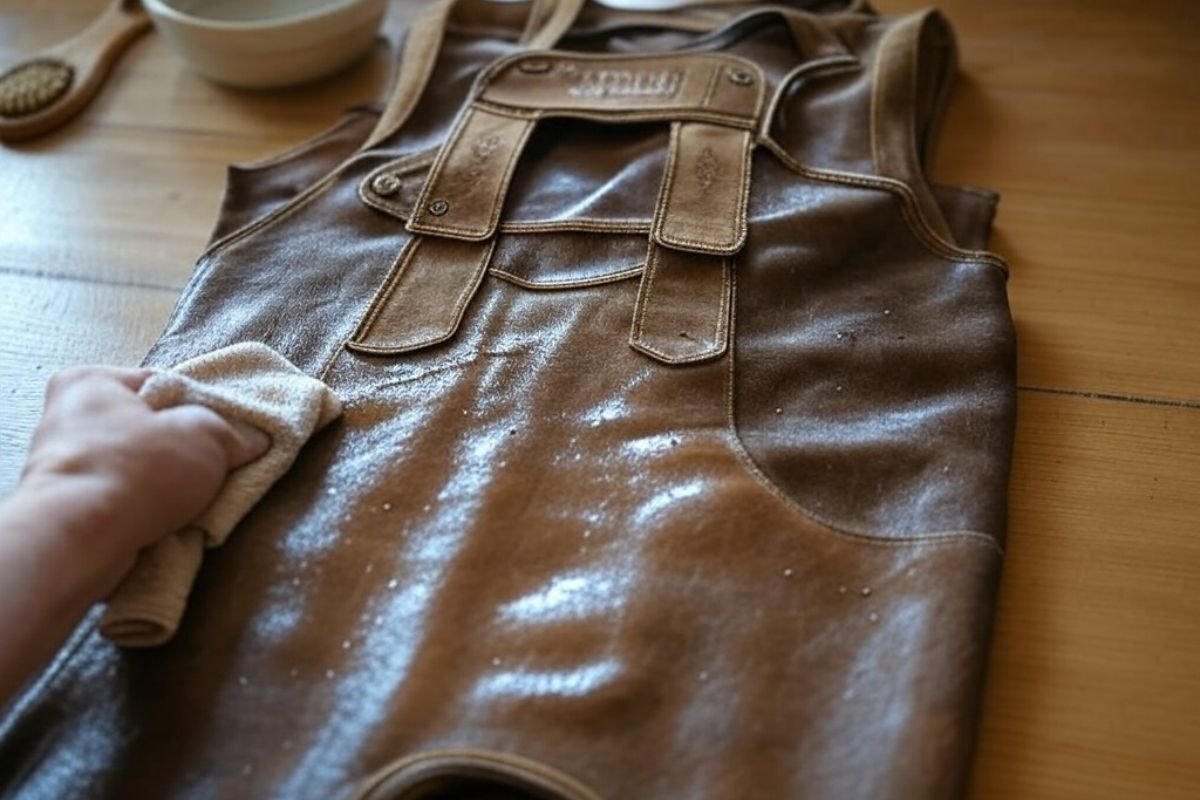
How to Wash Lederhosen: The Complete Guide to Proper Cleaning
Lederhosen are an investment—a good pair costs $200–$600 or more. Yet most people have no idea how to properly clean them, which is why so many end up stiff, cracked, and unwearable after just a few wears. The truth is that washing lederhosen isn’t complicated, but it is very different from washing regular clothes, and one mistake can permanently damage your garment. This guide shows you exactly how to wash, dry, and condition lederhosen properly so they last for decades rather than deteriorating after a few seasons.
Why Lederhosen Require Special Care
Before diving into washing techniques, it’s important to understand what lederhosen actually are and why they need careful handling. Lederhosen are traditionally made from high-quality natural leather such as goat, deer, or cowhide. Unlike synthetic fabrics, natural leather is a porous material that absorbs water easily and can be permanently damaged by heat, harsh chemicals, or rough handling.
The leather in lederhosen has been treated and tanned over months to achieve both durability and suppleness. This protective quality can be stripped away by incorrect washing methods. When you machine wash lederhosen, use harsh detergents, or dry them with heat, you undo the craftsmanship that makes them wearable. The leather shrinks, hardens, becomes brittle, and loses the soft, flexible feeling that makes lederhosen comfortable to wear.
The Core Principle of Lederhosen Washing
“Lederhosen must be cleaned gently with minimal water exposure using products specifically designed for leather. When done correctly, regular washing actually extends the life of your lederhosen rather than damaging them.”
The good news is that proper washing isn’t difficult—it simply requires understanding how leather behaves and following a few key principles. Most stains can be removed with basic spot cleaning that takes just 10-15 minutes, and your lederhosen will look fresher without any risk of damage.
Identifying the Type of Stain
Before you begin any washing process, spend a minute assessing what you’re actually dealing with. Different stains require different approaches, and using the wrong method can make a stain worse rather than better.
| Stain Type | Characteristics | Treatment Approach |
|---|---|---|
| Organic Stains (sweat, beer, food) | Water-based; easy to remove | Water + mild soap |
| Oil-Based Stains (grease, sunscreen) | Won’t rinse with water alone | Absorb with powder first |
| Salt Stains (dried sweat, salty food) | Visible white residue | White vinegar solution |
| Mud or Dirt | Surface-level; dries easily | Dry brush only |
| Scuff Marks | Often cosmetic only | May not need cleaning |
Taking 60 seconds to identify which type of stain you’re dealing with will save you time and prevent you from using a cleaning method that makes the stain worse. For example, using water on an oil-based stain will spread it rather than remove it, while water is exactly what you need for sweat or food stains.
The Spot Cleaning Method for Daily Maintenance
Spot cleaning is the foundation of proper lederhosen care. This method works for minor stains, dust, sweat marks, or fresh spills, and it takes only 10-15 minutes with minimal supplies. Most of the time, you’ll never need to do anything more than spot cleaning throughout the year.
What You’ll Need
For effective spot cleaning, gather these simple supplies:
- Soft, lint-free cloth (microfiber preferred)
- Lukewarm water (around 90°F)
- Leather-safe soap (saddle soap or castile soap)
- Soft brush (optional—suede brush or old toothbrush)
- Clean, dry towel
Step-by-Step Spot Cleaning Process
Step 1: Assess the Stain
Start by examining the stain closely. Is it surface-level dirt or embedded deep in the leather? Does the stain need moisture or would water make it worse? For dry dirt and mud, you can often skip the water step entirely and go straight to dry brushing. Use a soft brush with light pressure, brushing in the direction of the leather grain. This dislodges particles without pushing them deeper into the pores. Many stains disappear at this stage, and you might be completely done.
Step 2: Prepare Your Cleaning Solution
Fill a small cup with lukewarm water around 90°F—think “baby bath water” temperature. Extreme temperatures damage leather, so avoid both hot and cold water. Dip your cloth so it’s damp, not dripping wet. You want moisture, not water saturation. A microfiber cloth works best because it’s soft and lint-free.
Step 3: Apply Soap for Stubborn Stains
For stains that resist water alone, mix 2-3 drops of saddle soap or castile soap with your damp cloth. Do not dilute soap in water first—apply it directly to the cloth for better control. Apply the solution in small circular motions, using gentle pressure. Imagine you’re cleaning a baby’s skin, not scrubbing a pot. This breaks down the stain without damaging the natural grain of the leather. Avoid using harsh detergents or household cleaners, as these strip the leather of its natural oils and cause it to dry out and crack over time.
Step 4: Remove Soap Residue
Once you’ve cleaned the stain, use a fresh cloth slightly dampened with water only to wipe away any soap residue. Soap left on the leather can leave streaks or buildup that become visible once dry. Wipe the entire treated area gently until no soap smell remains.
Step 5: Pat Dry
Use a clean, dry microfiber cloth to absorb excess moisture by patting gently. Never rub or wring the leather, as excessive pressure can stretch or deform the material. Pat until the surface feels just slightly damp, not soaking wet.
Step 6: Air Dry
Hang the lederhosen in a well-ventilated room away from direct sunlight for 2-4 hours to air dry completely. The stain should be gone by the time they’re dry. Ensure good air circulation but avoid direct wind or air conditioning vents pointing at the garment.
Treating Specific Stain Types
Different stains respond to different treatments, and knowing which approach to use prevents you from making the problem worse. Understanding these specialized techniques helps you handle the most common lederhosen stains effectively.
Sweat and Salt Marks
Sweat and salt marks are very common on lederhosen worn at festivals and require a slightly different approach than general dirt. These stains appear as white or yellowish residue on the leather surface and can become permanent if not addressed properly.
Mix equal parts white vinegar and water in a small cup. Dab this solution onto the affected area using light touches rather than rubbing. The vinegar smell will dissipate as the leather dries, so don’t be concerned about lingering odor. After the vinegar treatment, wipe with a clean, damp cloth to remove any residue, then pat dry with a dry towel. If the area feels dry and stiff after drying, follow with light conditioning to prevent the leather from becoming permanently stiff. This approach works because vinegar dissolves salt deposits while being gentle enough for delicate leather.
Oil-Based Stains
Oil-based stains like grease, sunscreen, or hair products require patience and should not be treated with water immediately. Water will spread the stain rather than remove it, making the problem worse. Instead, sprinkle baking soda, cornstarch, or talcum powder directly onto the stain and let it absorb overnight or for at least 8 hours. The powder absorbs the oils before water can set the stain permanently into the leather fiber.
The next day, gently brush off the powder with a soft brush using light pressure in the direction of the grain. If residue remains on the leather surface, use the standard spot-cleaning method described above. This two-step approach is highly effective because it removes the oil before moisture can trap it in the leather.
Beer and Wine Stains
For beer or wine stains, speed matters. Blot the stain immediately with a dry cloth using light pressure. Do not wipe, as wiping spreads the stain across a larger area. Let the blotted area dry completely. Once the stain is fully dry, treat it as an organic stain using the standard spot-cleaning method with mild soap and water.
If the stain has already dried and set into the leather from a previous wear, try the white vinegar solution described in the salt stain treatment above. These alcoholic stains can sometimes be stubborn if they’ve had time to set, but persistent gentle cleaning usually removes them.
Mud and Dirt
Mud and dirt should always be allowed to dry completely before cleaning. Attempting to clean while the stain is wet pushes mud deeper into the leather and makes removal much more difficult. Wet leather is more porous and absorbs particles more readily than dry leather.
Once fully dry, brush off the dried mud with a soft brush using light pressure and directional strokes following the grain. If residue remains on the leather after brushing, use the spot-cleaning method with water and mild soap. Rushing this step by cleaning while wet is one of the most common mistakes people make with leather, so patience is essential.
Full Hand-Washing: For Deeper Cleaning
Most lederhosen never need a full hand-wash if you spot-clean regularly and care for them properly. However, if your lederhosen have widespread staining, accumulated sweat odor, or haven’t been cleaned in months, a full gentle hand-wash might be necessary. This is different from spot cleaning because you’re gently washing the entire garment rather than targeting specific areas.
What You’ll Need
Prepare these items before beginning a full hand-wash:
- Large basin or clean sink
- Lukewarm water (85-95°F)
- Leather-specific cleanser or saddle soap
- Two microfiber cloths
- Soft sponge (optional)
- Clean, dry towels
- Well-ventilated drying space
The Full Hand-Washing Process
Prepare Your Workspace
Fill a large basin or sink with 2-3 gallons of lukewarm water between 85-95°F. This temperature range is crucial—water that’s too hot strips oils from the leather, while water that’s too cold won’t clean effectively. The temperature should feel warm to the touch but not uncomfortably hot. Before fully immersing any part of the lederhosen, test for colorfastness by dampening a hidden area like the inside of the waistband with your cleaning water. Check after 30 seconds to see if color bleeds. If it does, do not proceed with full washing and stick to spot cleaning only for future maintenance.
Create Your Cleaning Solution
Add 1-2 tablespoons of leather-specific cleaner or saddle soap to your water basin. The water should smell lightly soapy but not feel slippery. If it feels too soapy, you’ve added too much and should add more water to dilute it. Stir the solution gently to distribute the soap evenly throughout the water.
Wash the Leather
Dip the lederhosen into the water for just 10-15 seconds to wet the surface, then immediately remove them and lay them flat on a clean towel. Using a microfiber cloth, gently wipe the entire surface of the lederhosen with the soapy water, working in sections. Use light, circular motions and focus on areas with visible stains, sweat marks, or odor accumulation. Never soak the lederhosen, wring them, or submerge them for extended periods, as excessive water exposure causes the leather to swell and potentially warp.
Remove Soap Residue
Once you’ve cleaned the entire garment, prepare a separate basin with clean lukewarm water and no soap. Dip a fresh microfiber cloth in this water and gently wipe the entire surface of the lederhosen to remove soap residue. You may need to do this 2-3 times until the cloth comes away clean with no soap smell. Remaining soap can leave streaks or buildup, so this rinsing step is important.
Absorb Excess Moisture
Use clean, dry towels to absorb as much moisture as possible, patting gently rather than squeezing or wringing. Excessive pressure can stretch or deform the leather’s shape. Press the towel against the leather surface rather than rubbing. Continue this process with fresh towels until the lederhosen feel just slightly damp to the touch, not soaking wet.
Drying Your Lederhosen Properly
How you dry lederhosen determines whether they’ll last 5 years or 20 years, which is why this step is critically important. The drying process is where many people make mistakes that cause permanent damage.
The Ideal Drying Environment
Create the right drying conditions by paying attention to these factors:
- Temperature: 60-75°F is ideal; avoid extremes
- Humidity: 40-50% is optimal; avoid very humid or very dry air
- Airflow: Good natural ventilation without direct wind
- Light: Indirect light only; no direct sunlight
- Avoid: Radiators, heaters, fans, windowsills, basement damp
Hang the lederhosen on a padded hanger in a well-ventilated room with moderate, natural air circulation. The padded hanger prevents stress marks and deformation that can occur with thin wire hangers. Ensure air can flow around all sides of the garment rather than hanging in a confined space.
What NOT to Do During Drying
Never make these common drying mistakes:
- Don’t place them near radiators, heaters, or heating vents (causes hardening and cracking)
- Don’t use a clothes dryer, hair dryer, or heat gun (permanent damage instantly)
- Don’t hang in direct sunlight (fades color and dries unevenly)
- Don’t lay flat in a humid basement or damp location (causes mildew)
- Don’t cover with plastic or in sealed spaces (traps moisture)
Drying typically takes 24-48 hours depending on humidity levels in your location. Resist the urge to speed up drying with heat or direct sunlight. The slow, cool air-dry process is what keeps lederhosen soft and prevents cracking. Once the lederhosen are completely dry to the touch and no longer feel cool, they’re ready for conditioning.
Conditioning to Restore Suppleness
Once lederhosen are completely dry after washing, conditioning is essential for maintaining the leather’s long-term quality and durability. Conditioning replaces oils removed during the cleaning process and keeps the leather supple, flexible, and resistant to cracking.
Why Conditioning is Critical
Without conditioning, leather becomes stiff and brittle within a few months. The leather’s natural oils have been partially removed by the cleaning process, leaving the material vulnerable to drying out. Conditioning restores these protective oils and maintains the suppleness that makes lederhosen comfortable to wear. This single step makes the biggest difference in extending the lifespan of your lederhosen from a few years to a decade or more.
How to Condition Properly
Apply a small amount of leather conditioner—about the size of a dime—to a soft cloth. Mink oil, leather cream, or saddle soap all work well for general conditioning purposes. Rub gently in circular motions across the entire surface of the lederhosen, taking care to cover all areas evenly and thoroughly. Pay extra attention to areas that typically receive more wear or friction.
Wipe away excess conditioner with a clean cloth, as you want the leather to absorb the conditioning product rather than sitting with a thick coating on the surface. The leather should feel nourished but not greasy. Allow the conditioner to absorb for 24 hours before wearing the lederhosen. You should notice the leather feels softer and more supple after conditioning is complete.
Make conditioning a regular habit, repeating it every 3-6 months during normal use, or more frequently if you wear your lederhosen regularly at festivals and events. Regular conditioning is not optional—it’s the difference between lederhosen that last a decade and ones that crack and become unwearable in 2-3 years.
Why Machine Washing Always Fails
Many people assume they can save time by machine washing lederhosen on a delicate cycle or with gentle detergent. This is a serious mistake that results in permanent damage from which the garment cannot recover.
The Triple Damage Problem
Machine washing causes damage in three ways simultaneously. First, excessive water exposure causes the leather fibers to swell and contract unevenly. Leather is a porous natural material that absorbs water easily, and when soaked in the large volume of water in a washing machine, the fibers lose their structural integrity. The agitation and tumbling in a washing machine twists and stretches the leather, leading to wrinkles, deformations, and permanent warping that cannot be reversed. Once leather loses its natural structure through this kind of abuse, restoration is nearly impossible.
Second, machine-washing with detergents strips away the natural oils that keep leather soft, flexible, and long-lasting. Commercial laundry detergents contain harsh chemicals that degrade the leather’s texture and suppleness. Without these protective oils, the material becomes fragile, uncomfortable to wear, and prone to cracking and splitting. Even after washing, the damage continues as the leather becomes increasingly brittle.
Third, the heat and high-speed spin cycles used in washing machines cause additional irreversible damage. Heat exposure from hot water or the cycle itself hardens leather, causing it to shrink and lose its natural elasticity. Once leather becomes brittle and loses its smooth texture, professional restoration is nearly impossible without significant cost. The combination of these three factors makes machine washing catastrophic for lederhosen.
The Bottom Line
Never machine wash lederhosen under any circumstances. Not on delicate cycle. Not with gentle detergent. Not with cold water. Machine washing causes immediate, permanent damage that cannot be reversed.
Always opt for gentle hand-cleaning instead. The extra 15 minutes of hand-washing is a small investment compared to damaging a $200-600 garment permanently.
Avoiding Common Washing Mistakes
Understanding the most common mistakes people make with lederhosen helps you avoid them and protect your investment. These errors are preventable with proper knowledge.
Using Harsh Detergents or Household Cleaners
Many people assume that regular soaps or dish soap are safe for cleaning leather, but these products contain strong chemicals that strip away the leather’s natural oils. Without these oils, the material becomes dry, brittle, and prone to cracking. Always use leather-safe cleaner designed specifically for leather care. Saddle soap, castile soap, and specialized leather cleaners are safe options. Avoid dish soap, laundry detergent, bleach, window cleaner, and any household cleaning product.
Scrubbing Too Hard During Cleaning
Leather is a delicate, porous material, and excessive scrubbing can scratch the surface, remove the natural grain, and create uneven patches or scuff marks. Instead of forcefully scrubbing, use gentle circular motions with a soft cloth. If a stain persists, repeat the cleaning process multiple times rather than increasing pressure. Patience is key when dealing with leather—rushing the process leads to irreversible damage that no amount of conditioning can fix.
Drying with Heat or Direct Sunlight
Many people try to speed up drying by placing lederhosen near radiators, in sunlight, or using heat sources. Excessive heat causes leather to shrink, harden, and develop cracks. Direct sunlight fades the leather’s color and dries it unevenly, creating patchy discoloration. Allow lederhosen to air dry naturally in a cool, well-ventilated space away from heat sources and direct light. Though this takes 24-48 hours, it’s essential for preserving the leather’s quality.
Storing in Damp Conditions or Plastic Bags
Leather is highly susceptible to moisture damage, and storing lederhosen in humid environments leads to mold, mildew, and musty smells. Plastic bags trap humidity, causing the leather to deteriorate. Instead, store lederhosen in a cool, dry location in a breathable fabric garment bag, not plastic. Add cedar blocks or silica gel packs to the storage space to absorb excess moisture and prevent odors.
Neglecting to Condition After Washing
Many people wash their lederhosen but skip the conditioning step, thinking it’s optional. Without conditioning, the leather dries out and becomes stiff and brittle. Make conditioning a regular habit every 3-6 months to maintain suppleness and prevent cracking. This single step makes the biggest difference in extending the lifespan of your lederhosen from years to decades.
Washing Different Types of Leather
Lederhosen are made from different types of leather, and each type responds slightly differently to washing. Understanding your specific leather type helps you apply the right cleaning approach.
Goat Leather
Goat leather is the most common choice for lederhosen because of its balanced combination of durability and suppleness. It’s naturally soft and flexible, has good water resistance compared to other leather types, and develops a beautiful patina and character over time. Goat leather is relatively forgiving if you make minor cleaning mistakes, which is one reason it’s so popular for both beginners and experienced wearers.
When washing goat leather lederhosen, follow the standard spot-cleaning or full hand-washing methods described earlier in this guide. Goat leather is resilient and accepts conditioning well. Condition goat leather every 4-6 months to keep it supple and prevent cracking. Expect goat leather to develop character over time—slight color variations and marks are normal and add to the authentic appearance rather than being defects. This patina development is a sign of proper care and authentic use, not damage.
Deer Leather
Deer leather is a premium option that requires extra care compared to goat leather. It’s exceptionally soft and supple but much more delicate, making it less forgiving of mistakes. Deer leather is typically more expensive and is often chosen by those who want the maximum softness and luxury feel.
Stick to spot cleaning for routine maintenance on deer leather lederhosen rather than full hand-washing. Full hand-washing should happen rarely, only 1-2 times per year maximum. When you must hand-wash, use only mild saddle soap or specialized leather cleaner designed for delicate leather. Avoid harsh products that would damage goat leather but are tolerated—these can cause permanent damage to deer leather.
Deer leather dries out faster than other types, so condition it every 2-3 months rather than every 6 months. Allow extra time for drying—48-72 hours instead of the typical 24-48 hours. Ensure excellent air circulation during drying. Deer leather will show wear more visibly than other types, so treat it gently and accept that character will develop quickly. This is normal and expected with premium delicate leather.
Cowhide
Cowhide is the most durable option for lederhosen and can handle more aggressive care than other types without sustaining damage. It’s thicker and more resistant to water exposure and general wear. Many people choose cowhide lederhosen if they plan to wear them frequently or in demanding conditions.
Full hand-washing can happen more frequently on cowhide than on more delicate leathers—every few months rather than once a year. Cowhide is less prone to drying out, so conditioning every 6 months is sufficient rather than more frequent applications. Standard drying times of 24-48 hours work well without risk of hardening. Cowhide is less susceptible to heat and humidity issues than other leather types.
Cowhide often has a tighter grain and more visible texture, which is normal and adds to the authentic appearance of traditional lederhosen. The thicker material will show creasing more readily than thinner leathers, but this develops character rather than indicating damage. Use and enjoy cowhide lederhosen without excessive concern about minor marks and creases.
When to Seek Professional Help
While most lederhosen maintenance can be handled at home with basic care, certain situations warrant professional cleaning or restoration. Knowing when to seek professional help prevents you from accidentally making a bad situation worse.
Situations Requiring Professional Assistance
If you’ve accidentally machine washed your lederhosen or made another significant mistake, professional leather restoration might save them, though results vary and costs typically run $100-300 or more with no guarantee of full restoration. Severe staining that covers a large area or has set for months might require professional treatment. Professional leather cleaners have access to specialized treatments that can sometimes remove stains that resist home cleaning methods. Expect to pay $75-150 per garment for professional stain removal.
If odor persists after you’ve tried ventilation and baking soda treatment, professional deodorizing services may help, typically costing $40-80. Mold or mildew indicates serious moisture problems and requires urgent professional treatment. Professional leather cleaners can often kill mold and restore the leather, preventing further damage. Costs typically range from $60-150.
If leather has developed visible cracks or has hardened so much that it won’t flex, professional restoration might help, though results aren’t guaranteed. This expensive service costs $150-400 or more. For valuable or heirloom lederhosen, professional cleaning ensures the best preservation strategy. It’s worth the investment for pieces you want to last decades.
Finding Professional Leather Cleaners
Find professional leather cleaners by searching for “leather restoration” or “leather cleaning” in your area. Look for specialists who work with leather garments rather than general dry cleaners. Bag and shoe repair shops often have leather cleaning expertise, as do high-end tailors who partner with leather specialists. Tack shops that clean leather saddles and equipment often have relevant expertise.
Before hiring, ask these important questions:
- Do you specialize in leather garments?
- Have you worked with lederhosen specifically?
- What cleaning method do you use? (Should be gentle and manual)
- What’s your guarantee if something goes wrong?
- Can you provide references?
Conclusion: Keep Them Wearable for Decades
Proper lederhosen washing is straightforward when you understand the basics. The key principles are simple: clean gently with minimal water using leather-safe products, dry slowly in a cool environment, and condition regularly to maintain suppleness. Most of the time, spot cleaning is all you need. Full hand-washing happens rarely. Conditioning should become a regular habit every 3-6 months.
With this approach, your lederhosen will remain comfortable, supple, and wearable for decades. They’ll develop character and patina that makes them more beautiful over time rather than showing signs of poor care. You won’t have to worry about permanent damage from incorrect washing. And you’ll get maximum enjoyment from your investment in authentic lederhosen.
Remember: gentle care today means decades of wear tomorrow. Treat your lederhosen with the respect they deserve, and they’ll reward you with years of comfort and authentic style.

Bavarian heritage and fashion specialist · Lead content
contributor, German Attire
About Anna
Anna Bauer grew up in Munich, where traditional dress is not a costume but everyday formal wear. Trachten appears at weddings, at church, at village festivals and in public life, and that ordinary familiarity shapes how she writes about it. She studied fashion and textile design at the Berlin University of the Arts, specialising in European folkwear. Over more than a decade since, she has worked with Trachten designers and styled outfits for Oktoberfest events across Germany.
What she writes about
- The history and regional variation of Bavarian and Alpine dress
- How Dirndl and Lederhosen are constructed, and what separates
authentic garments from costume versions - Fabric patterns and embroidery motifs, and what they mean
- Styling traditional dress for festivals, weddings and formal
occasions - Fit, sizing and care
Her approach
Anna’s writing starts from a simple position: traditional dress deserves to be explained accurately. Much of the English-language information about Lederhosen and Dirndl repeats claims that no Bavarian would recognise. Her work aims to correct that, and to give readers outside Germany enough context to wear Trachten with confidence rather than guesswork.