Get 5% Off – Use promo code German Attire


Where to Buy Oktoberfest 2026 Tickets & Table Reservations?
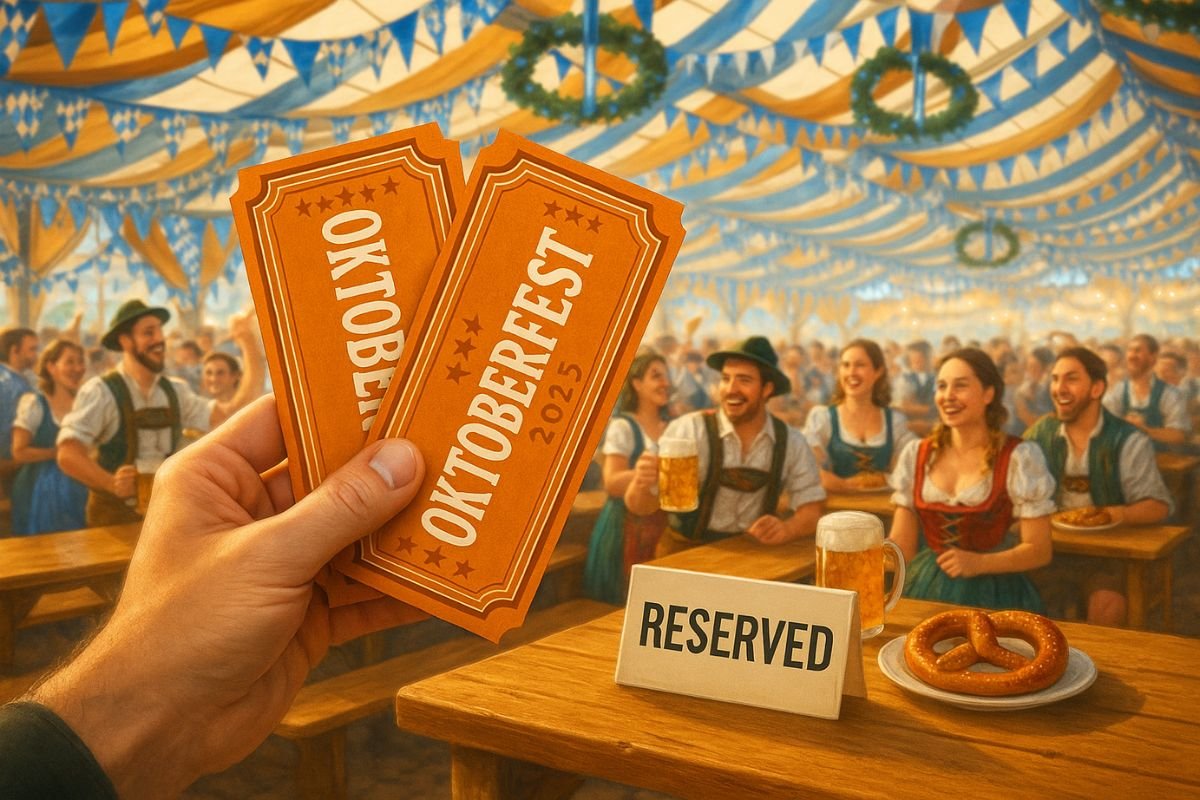
Where to Buy Oktoberfest 2026 Tickets & Table Reservations: Complete Guide
Oktoberfest 2026 table reservations open April-May 2026 through official tent websites including Hofbräu-Festzelt.de, Schottenhamel.de, Paulaner-Festzelt.de, and Augustiner-Bräu.de, with reservations costing €30-€50 per person including vouchers for 2-3 one-liter beers and one traditional meal (typically half-chicken or pork knuckle). General admission to Oktoberfest grounds at Theresienwiese remains completely free with no entry tickets required, allowing visitors to explore carnival rides, food vendors, and outdoor areas without payment—however, securing guaranteed seating inside the 14 major beer tents during peak times (evenings after 6 PM, all weekend hours, and opening weekend September 19-21, 2026) requires advance table reservations that must be booked months ahead for full tables of 8-10 people minimum, though 25-35% of tent capacity remains available for walk-in guests willing to queue during off-peak weekday afternoons. Alternative options include smaller tents with easier walk-in access, outdoor beer gardens with self-service seating, standing areas inside major tents during peak hours, or purchasing complete Oktoberfest packages (€400-€1,200 per person) through tour operators bundling accommodations, reserved tables, and transportation for visitors preferring all-inclusive planning over independent booking.
Understanding Oktoberfest ticketing proves essential for successful 2026 planning—the distinction between free general admission and paid table reservations confuses many first-time visitors, leading to unnecessary expenses through unofficial sellers or missed opportunities for guaranteed seating. This comprehensive guide covers exactly where and when to book official reservations, how much they cost, what’s included, how to verify legitimate booking platforms versus scams, strategies for walk-in access without reservations, and alternative seating options ensuring everyone can enjoy Munich’s legendary festival whether planning months ahead or arriving spontaneously.
Understanding Free Entry vs. Paid Table Reservations
Oktoberfest operates on a unique admission model that makes the festival simultaneously free to enter yet potentially expensive to enjoy fully, depending on your seating strategy and timing preferences.
What’s Completely Free at Oktoberfest
General Admission:
Entry to Theresienwiese—Munich’s expansive festival grounds—requires no tickets, passes, or admission fees whatsoever. Anyone can walk onto the grounds during operating hours (typically 10 AM-11:30 PM weekdays, 9 AM-11:30 PM weekends) without payment. This free access includes walking through all public areas, viewing beer tents from outside, exploring carnival rides and games (though rides charge individually), browsing food vendor stalls, visiting souvenir shops, and experiencing parade routes and outdoor entertainment stages.
The grounds themselves span approximately 420,000 square meters (104 acres), accommodating 14 large beer tents, numerous smaller tents and beer gardens, over 100 rides and attractions, and hundreds of food and merchandise vendors. This massive scale means substantial Oktoberfest experiences occur entirely outside paid reservation areas—many visitors spend enjoyable days exploring without ever entering reserved seating sections.
Walk-In Beer Tent Access:
Even inside major beer tents, significant portions remain available without reservations through walk-in access. Most large tents reserve 25-35% of total capacity for guests without bookings, particularly during off-peak hours (weekday mornings and early afternoons before 3 PM). Walk-in guests queue outside tents, with staff admitting groups as tables become available. This system ensures spontaneous visitors can access famous tents like Hofbräu and Schottenhamel without advance planning, though wait times vary dramatically based on day, time, and weather conditions.
What Requires Payment: Table Reservations Explained
Reservation System Fundamentals:
Table reservations guarantee specific seating inside major beer tents during designated time blocks—typically lunch sessions (11 AM-4 PM) or evening sessions (6 PM-closing). Reservations cover entire tables seating 8-10 people minimum, with no option for individual seats or couples. This group requirement stems from tent operators maximizing capacity and revenue—partial table bookings create inefficient seating arrangements and operational complications.
Reservation costs typically range €30-€50 per person (€240-€500 per table of 8-10), though this payment functions as advance voucher purchase rather than pure reservation fee. Your prepayment covers specific food and beverage minimums—usually two one-liter beers (Maß) and one traditional meal per guest. Since Maß typically costs €13-€15 each and meals run €15-€20, the reservation essentially pre-purchases items you’d order anyway while guaranteeing prime seating during high-demand periods.
Why Reservations Matter:
Peak times—Friday and Saturday evenings, all Sunday hours, opening weekend (September 19-21, 2026), and evening hours throughout the festival—see tents reach capacity quickly. Without reservations, walk-in guests face long waits or complete denial of entry once capacity limits are reached. For groups wanting guaranteed seating during these premium times, advance reservations eliminate uncertainty and waiting, ensuring your group enjoys the festival together without stress or disappointment.
For comprehensive context about the festival grounds where reservations take place, see our complete guide on where Oktoberfest is held in Munich covering Theresienwiese layout and navigation.
Complete Guide to Munich’s 14 Major Beer Tents
Understanding individual tent characteristics, booking procedures, and atmospheres helps select optimal reservations matching your group’s preferences and budget.
Major Tent Overview and Booking Details
| Tent Name | Brewery | Capacity | Atmosphere | Reservation Website | Typical Cost per Person | Booking Opens |
| Hofbräu-Festzelt | Hofbräu | 10,000 | Tourist-friendly, international, very loud | hofbraeu-festzelt.de | €40-€50 | Late April 2026 |
| Schottenhamel | Spaten | 10,000 | Traditional, opening ceremony site, balanced | schottenhamel.de | €35-€45 | Early May 2026 |
| Augustiner-Bräu | Augustiner | 6,000 | Authentic, local favorite, traditional music | augustiner-festzelt.de | €30-€40 | Mid-April 2026 |
| Hacker-Pschorr | Hacker-Pschorr | 9,300 | Family-friendly, Bavarian heaven, spacious | hacker-festzelt.de | €35-€45 | Late April 2026 |
| Paulaner Festzelt | Paulaner | 8,500 | Lively, great music, young crowd | paulaner-festzelt.de | €35-€45 | Early May 2026 |
| Löwenbräu | Löwenbräu | 5,700 | High-energy, loud, party atmosphere | loewenbraeu-festzelt.de | €40-€50 | Late April 2026 |
| Armbrustschützenzelt | Paulaner | 5,830 | Traditional, crossbow shooting, local | armbrustschuetzenzelt.de | €35-€45 | Mid-May 2026 |
| Fischer-Vroni | Augustiner | 2,695 | Rustic, fish specialties, intimate | fischerei-festzelt.de | €35-€45 | Mid-April 2026 |
Most Popular Tents for International Visitors
Hofbräu-Festzelt:
The largest and most internationally famous tent, Hofbräu attracts tourists from around the world, creating energetic, multilingual atmosphere. The tent’s massive size (10,000 capacity) means more reservation availability than smaller venues, though it still books quickly for weekends. Hofbräu’s reputation for accommodating English-speaking visitors makes it ideal for first-time attendees unfamiliar with German language or customs. However, this international popularity creates extremely loud environment less appealing to those seeking authentic Bavarian ambiance.
Schottenhamel:
Hosting the official Oktoberfest opening ceremony where Munich’s mayor taps the first keg, Schottenhamel holds significant cultural prestige. Opening weekend reservations here are nearly impossible to secure and typically reserved for VIPs, politicians, and long-standing regular customers. However, non-opening dates offer more availability while maintaining traditional atmosphere balancing tourist accessibility with Bavarian authenticity.
Augustiner-Bräu:
Beloved by Munich locals, Augustiner represents authentic Bavarian beer hall culture with traditional music, older crowd demographics, and emphasis on quality beer over party atmosphere. Augustiner refuses to advertise, doesn’t offer branded merchandise, and maintains strict traditional standards—their beer is still served from wooden barrels rather than steel kegs. Reservations here appeal to culturally focused visitors prioritizing authenticity over accessibility.
Best Tents for Walk-In Access
Hacker-Pschorr Festzelt:
Known as “Himmel der Bayern” (Heaven of the Bavarians), Hacker-Pschorr’s spacious layout and family-friendly reputation create better walk-in opportunities than more party-focused tents. The tent’s 9,300 capacity combined with balanced tourist-local mix means reasonable walk-in chances during weekday afternoons. Families with children particularly appreciate Hacker-Pschorr’s welcoming atmosphere and excellent traditional food beyond basic chicken and pork.
Fischer-Vroni:
This smaller tent (2,695 capacity) specializes in fish dishes, attracting more niche audience than beer-and-chicken-focused venues. The specialized menu and rustic atmosphere create less intense demand, improving walk-in success rates even during busier periods. Fischer-Vroni’s unique character—fishing nets, maritime decorations, fresh fish menu—offers distinctive experience differentiating it from standard beer tent formulas.
Step-by-Step: How to Book Oktoberfest 2026 Reservations
Successfully securing reservations requires understanding exact procedures, timing, and requirements for Munich beer tent booking systems.
Reservation Booking Timeline
January-March 2026:
Major tent operators finalize their 2026 operational plans, staff contracts, and booking systems during winter months. While reservations haven’t opened, this period offers opportunities to prepare. Create accounts on preferred tent websites, subscribe to email newsletters, and follow social media channels for booking announcements. Some tents announce exact reservation opening dates in March, allowing advance calendar marking.
April-May 2026:
Prime booking window when most major tents open reservations. Exact dates vary by tent—Augustiner typically opens mid-April, Hofbräu and Hacker-Pschorr late April, Schottenhamel and Paulaner early May. Popular dates (opening weekend, Fridays, Saturdays) sell out within hours or even minutes of booking systems going live. Less popular weekday afternoons may remain available for weeks or months.
June-August 2026:
Secondary booking period when initial reservation rush subsides. While prime weekend evening slots are likely sold out, weekday reservations often remain available, particularly for lunch sessions. This period also sees cancellations creating sporadic availability—subscribing to tent newsletters ensures notifications when cancelled reservations reopen.
September 2026:
Last-minute booking window immediately preceding Oktoberfest (September 19-October 4, 2026). Final cancellations appear, though finding specific dates or times becomes difficult. This period suits flexible visitors willing to attend whenever availability appears rather than committed to specific days.
Complete Booking Process Walkthrough
Step 1: Select Your Tent and Date
Begin by researching tent characteristics matching your group’s preferences. Consider factors including size (intimate vs. massive), atmosphere (traditional vs. party-focused), music style (brass bands vs. contemporary), and booking difficulty (popular vs. easier access). Once you’ve chosen your preferred tent, select specific attendance dates and session times (lunch 11 AM-4 PM or evening 6 PM-11:30 PM).
Step 2: Access Official Booking Website
Navigate directly to your chosen tent’s official website using URLs listed in the table above. Avoid Google searches returning unofficial resale sites or third-party booking platforms charging inflated prices. Official tent websites are the ONLY legitimate sources for direct reservations—any other platform claims should be verified carefully.
Step 3: Complete Reservation Form
Official booking forms require detailed information including full names of all guests (matching IDs required at entry), contact information (email and phone), group size (must meet 8-10 person minimum for most tents), preferred dates and times, and special requirements (accessibility needs, dietary restrictions). Provide accurate information—discrepancies between reservation names and actual attendees can result in entry denial.
Step 4: Pay Reservation Deposit
Submit payment covering the required voucher minimum per person (typically €30-€50). Most tents accept credit cards, bank transfers, or PayPal. Payment processes immediately as advance voucher purchase rather than refundable deposit. After successful payment, you’ll receive email confirmation with reservation details, voucher codes, and attendance instructions.
Step 5: Receive Confirmation Documents
Confirmation arrives via email within 24-48 hours, containing reservation vouchers, QR codes, or wristbands depending on tent systems. Some tents mail physical voucher packets to provided addresses (allow 2-3 weeks for international delivery), while others use digital systems allowing smartphone presentation at tent entrances. Save these documents carefully—lost vouchers typically cannot be replaced without significant hassle or additional fees.
Step 6: Arrive Punctually on Festival Day
Table reservations include strict arrival windows (typically 15-30 minutes from session start time). Arriving late risks losing your table to walk-in guests—tents won’t hold reserved tables past specified grace periods. Arrive at least 15 minutes early, present your confirmation documents at tent entrance, and staff will escort you to your assigned table. For tips on what to wear to reserved table sittings, explore our guide on what girls wear at Oktoberfest and appropriate traditional attire.
Understanding What’s Included in Reservations
Voucher System Explained:
Your reservation payment purchases vouchers redeemable for specific items—typically two one-liter beers (Maß) and one meal per person. Vouchers function as prepaid meal tickets usable only during your reserved session. Additional food and beverages beyond voucher amounts can be ordered and paid separately at regular menu prices. The voucher system ensures tent operators receive guaranteed minimum revenue per table while guests pay fair prices for items they’ll consume anyway.
Food Options:
Standard meal vouchers usually redeem for traditional Bavarian dishes including half-chicken (Hendl), pork knuckle (Schweinshaxe), roast pork (Schweinebraten), sausages with sauerkraut, or vegetarian options like cheese noodles (Käsespätzle). Meals are substantial, traditional, and designed for hearty festival eating. Guests with dietary restrictions should communicate requirements during booking—most tents accommodate vegetarian, gluten-free, or other dietary needs with advance notice.
Beverage Minimums:
Two Maß (one-liter mugs) per person represents standard minimum, though some tents require three Maß during premium times (opening weekend, Saturday evenings). Non-alcoholic options including water, soft drinks, or alcohol-free beer can typically substitute for alcoholic beverage vouchers, ensuring non-drinking guests aren’t forced to purchase beer. Since Maß costs €13-€15 each, two-beer minimums mean €26-€30 of your reservation payment covers beverages alone.
Avoiding Scams: How to Verify Legitimate Booking Platforms
The popularity of Oktoberfest creates opportunities for fraudulent ticket sellers, fake reservation sites, and overpriced secondary markets preying on uninformed visitors.
Red Flags Indicating Potential Scams
Unofficial Websites with Similar Names:
Scammers create websites mimicking official tent names—using domains like “hofbrau-oktoberfest-tickets.com” instead of legitimate “hofbraeu-festzelt.de.” Always verify exact URLs against official Oktoberfest resources or tent brewery websites. Legitimate tent sites use simple, direct URLs typically ending in “.de” (German domain) and matching brewery or tent names precisely.
Unrealistic Availability Claims:
If a website advertises “guaranteed reservations available now” when official tent sites show sold-out dates, treat this as major red flag. Scam sites falsely promise availability they cannot deliver, collecting payments for non-existent reservations. Similarly, sites claiming “VIP access” or “skip-the-line tickets” for Oktoberfest (where these don’t exist) are fraudulent.
Excessive Pricing:
Official reservations cost €30-€50 per person including vouchers. Any platform charging €100+ per person without clear explanation of included accommodations, tours, or transportation is likely overcharging dramatically. While legitimate package tours exist at higher prices (€400-€1,200 for multi-day packages with hotels), standalone table reservations should never exceed €50-60 per person.
Payment Through Unverified Methods:
Legitimate tent reservations process through secure payment systems (credit cards, PayPal, bank transfers) with proper receipts and confirmations. Scammers often request payment via wire transfer, cryptocurrency, gift cards, or peer-to-peer payment apps (Venmo, Cash App, Zelle) that lack buyer protections. Never send payment through methods preventing disputes or chargebacks.
No Physical Address or Contact Information:
Official tent operators provide complete contact details including physical addresses in Munich, telephone numbers, and professional email addresses. Scam sites often list only contact forms or generic email addresses (Gmail, Yahoo) without legitimate business information. Research company registration, physical location, and customer service accessibility before trusting any booking platform.
How to Verify Booking Platform Legitimacy
Cross-Reference Official Sources:
Visit the official Oktoberfest website (oktoberfest.de) which lists all legitimate beer tents with direct links to their official reservation pages. Any booking platform not referenced on the official Oktoberfest site should be approached with extreme caution. Munich’s tourism board (muenchen.de) also maintains lists of official tent operators and booking procedures.
Check Company Registration:
Legitimate German businesses are registered in the Handelsregister (commercial register) searchable online. Verify that booking platforms claiming to be German companies actually exist in official registries with proper business licenses and tax registration. Companies operating legally in Germany display impressum (legal disclosure) pages listing registration numbers, tax IDs, and responsible parties.
Read Independent Reviews:
Research booking platforms on independent review sites (TripAdvisor, Trustpilot, Google Reviews) looking for patterns of complaints about non-existent reservations, poor customer service, or difficulty obtaining refunds. Be wary of sites with only positive reviews (potentially fake) or overwhelmingly negative feedback indicating scam operations.
Contact Tents Directly:
When in doubt, contact tent operators directly through official phone numbers or email addresses asking whether a specific booking platform is legitimate authorized reseller. Official tents clearly state whether they work with secondary booking services or handle all reservations internally.
Alternative Options: Getting Into Tents Without Reservations
Reservations aren’t mandatory for enjoying Oktoberfest—numerous strategies exist for accessing tents and festival experiences without advance booking.
Walk-In Access Strategy Guide
Optimal Walk-In Timing:
Walk-in success rates vary dramatically by day and time. Weekday mornings (10 AM-1 PM) offer best odds, particularly Monday-Thursday. Arrive when tents open, ideally 9:30-10 AM, joining short queues before capacity fills. Tuesday and Wednesday afternoons (1-4 PM) represent sweet spots balancing shorter waits with decent atmosphere. Avoid walk-in attempts Friday-Sunday evenings when tents reach capacity rapidly and turn away guests for hours.
Best Tents for Walk-In Success:
Smaller tents like Fischer-Vroni, Weinzelt, and Armbrustschützenzelt see less intense demand than Hofbräu or Schottenhamel, creating better walk-in opportunities even during busier periods. These intimate venues offer unique atmospheres (wine tent, crossbow shooting demonstrations, fish specialties) differentiating them from standard beer tent experiences while remaining more accessible.
Walk-In Queue Management:
When attempting walk-in access, position yourself near tent entrances where staff manage queues. Some tents use numbered queuing systems, others operate first-come-first-served. Be patient—aggressive queue jumping or arguing with staff results in denial of entry. Dress appropriately in traditional Bavarian attire; staff sometimes prioritize traditionally dressed guests reflecting festival respect and cultural participation.
Outdoor Beer Gardens and Standing Areas
Beer Garden Seating:
Most major tents feature outdoor beer garden areas with self-service counters, picnic table seating, and no reservation requirements. These spaces offer identical beer and food at the same prices as indoor tent areas but with relaxed seating policies. Weather permitting, beer gardens provide pleasant alternatives to crowded indoor spaces, with easier access and casual atmospheres.
Standing Room Options:
During peak times, some tents allow standing guests even when seated capacity is full. Standing areas typically cluster near bars and entrances, with guests ordering directly at counters rather than receiving table service. While less comfortable than reserved seating, standing access ensures entry during high-demand periods when walk-in seated options are unavailable.
Smaller Tents and Alternative Venues
Specialty Tents:
Beyond the 14 major beer tents, Oktoberfest features numerous smaller specialty venues including Weinzelt (wine tent), Käfer’s Wies’n-Schänke (upscale dining), Ochsenbraterei (oxen roast specialty), and traditional folk music tents. These alternatives attract more selective audiences, reducing crowding and improving accessibility for spontaneous visitors. While atmospheres differ from classic beer halls, specialty tents offer authentic Oktoberfest experiences without reservation stress.
Outdoor Festival Areas:
Extensive outdoor sections of Theresienwiese feature food stalls, beverage stands, and seating areas unconnected to specific tents. These public spaces allow full Oktoberfest participation—enjoying traditional foods, purchasing festival mugs and merchandise, experiencing live entertainment—without entering competitive beer tent environments. Many locals prefer outdoor festival experiences over indoor tent crowds.
Booking Through Tour Operators: Brief Overview
For visitors preferring simplified planning, tour operators offer packages bundling accommodations, transportation, and tent reservations. However, these comprehensive package details including pricing tiers, what’s included, and value comparisons are covered extensively in our dedicated guide on Oktoberfest Munich duration and travel packages. This tickets guide focuses specifically on direct tent reservation booking rather than duplicating package tour information already detailed elsewhere.
Practical Tips for Maximizing Your Reservation Experience
Strategic planning beyond just securing reservations ensures optimal Oktoberfest enjoyment once you’re inside your chosen tent.
Group Assembly and Coordination
Minimum Group Requirements:
Most tents require 8-10 person minimum per reservation, creating challenges for couples or small groups. Solutions include joining with other parties (ask in Oktoberfest forums, social media groups, or hostel common areas for others seeking table partners), booking through agencies that assemble mixed groups from individual bookings, or accepting higher per-person costs at tents offering smaller table options (though these are rare).
Table Captain Responsibilities:
Designate one person as table captain responsible for holding reservation documents, coordinating arrival timing, managing voucher distribution, and serving as primary contact with tent staff. This designated leader prevents confusion during busy festival conditions when entire groups struggle to communicate effectively with servers or coordinate bathroom breaks without losing table positions.
Arrival Timing and Check-In
Grace Period Awareness:
Most reservations include 15-30 minute grace periods after session start times. Arriving after grace periods expire risks immediate table reassignment to waiting walk-in guests. Account for transportation delays, security lines (bag checks at some tent entrances), and time navigating crowded festival grounds. Aim to arrive 20-30 minutes before your official reservation time, ensuring punctual table claiming.
Check-In Procedures:
Present reservation confirmations at designated tent entrances (typically separate from general admission queues). Staff verify documents, check IDs matching reservation names, and issue wristbands or stamps proving reservation status. Follow staff directions exactly—attempting to enter through wrong entrances or arguing about procedures delays your seating and annoys overwhelmed festival workers managing thousands of daily guests.
During Your Reserved Session
Voucher Redemption:
Shortly after seating, servers collect vouchers and take initial orders. Specify meal preferences clearly, ask questions about menu items if needed, and confirm voucher coverage versus separately charged items. Additional orders beyond voucher minimums are placed with servers throughout your session, with bills settled before leaving.
Table Etiquette and Atmosphere:
Oktoberfest beer tents encourage communal celebration—expect shared tables with strangers, standing on benches during popular songs (technically discouraged but universally practiced), and loud, energetic environments. Embrace social atmosphere by toasting with tablemates, participating in drinking songs, and engaging with neighboring groups. The festival thrives on Gemütlichkeit (warm companionship), so open, friendly attitudes enhance experiences for everyone.
For understanding the entertainment you’ll enjoy during reserved sessions, read about Oktoberfest bands and performers and the live music creating festival atmosphere.
What to Bring to Your Reservation
Essential Items:
Reservation confirmation documents (printed and digital backup), valid government-issued photo ID matching reservation name, payment method for additional purchases beyond vouchers (cash strongly recommended—€100-€200 per person typical), smartphone for photos and emergency contact, and small bag or purse for personal items (large backpacks often prohibited).
Optional but Recommended:
Light jacket or cardigan (tents can be cold despite crowds), portable phone charger (outlets unavailable and battery drains quickly with photos), tissues or handkerchief (tent bathrooms sometimes run low on supplies), and pain reliever (headaches from noise and crowds are common). Avoid bringing valuables—pickpocketing occurs in crowded festival environments.
Refund, Cancellation, and Late Arrival Policies
Understanding financial implications of changed plans or timing issues helps manage reservation investments protecting against losses.
Standard Cancellation Policies
Early Cancellation (More than 4 Weeks Before):
Most tents offer partial refunds (typically 50-80% of paid amount minus processing fees) for cancellations submitted more than 30 days before reserved dates. Refund requests must be submitted in writing through official tent channels with original booking reference numbers. Processing times range from 2-6 weeks depending on tent administrative procedures.
Late Cancellation (2-4 Weeks Before):
Cancellations submitted 14-30 days before reservations typically result in reduced refunds (25-50% of payment) or no refunds at all, depending on specific tent policies. Some operators offer voucher credits toward future year reservations rather than cash refunds for late cancellations.
Last-Minute Cancellation (Less than 2 Weeks):
Cancellations within 14 days of reserved dates almost never qualify for refunds. Some tents allow reservation transfers to other parties (friends, family, or sold through verified resale platforms), enabling partial recovery of costs through secondary sales.
No-Show and Late Arrival Consequences
No-Show Policy:
Failing to appear for reservations without advance cancellation notification forfeits entire payment with no refund options. Tents reassign no-show tables to walk-in guests after grace periods expire, treating absence as voluntary forfeiture of reservation rights.
Late Arrival (After Grace Period):
Arriving after designated grace periods (typically 15-30 minutes past session start) results in table reassignment even with valid reservations. Some tents make exceptions for documented emergencies (medical issues, severe transportation delays) but don’t guarantee accommodation. Always communicate delays immediately via phone to reservation contacts, though this doesn’t guarantee held tables.
Force Majeure and Weather Policies
Festival Cancellation:
In the unlikely event of complete festival cancellation due to force majeure (severe weather, public health emergency, security threats), tent operators typically offer full refunds or vouchers for the following year’s festival. The 2020 and 2021 Oktoberfest cancellations due to COVID-19 established precedents—most operators provided refunds or automatically rolled reservations to future years.
Individual Day Cancellation:
If specific days are cancelled while the festival continues, affected reservation holders receive refunds or rescheduling options. However, bad weather alone (rain, cold temperatures) doesn’t constitute cancellation—festivals proceed in nearly all weather conditions, with covered tents protecting guests from rain.
Accessibility and Special Accommodation Reservations
Oktoberfest strives for inclusive access, offering specific provisions for guests with disabilities, families with young children, and visitors with dietary restrictions.
Wheelchair Accessible Seating
Accessible Table Reservations:
Several major tents including Hofbräu, Schottenhamel, and Hacker-Pschorr designate wheelchair-accessible table areas with ramped entrances, wider aisle spacing, and accessible bathroom facilities. When booking, indicate wheelchair accessibility requirements in special requests sections of reservation forms. Accessible tables may have different minimum group sizes (often 6-8 instead of 8-10) accommodating smaller parties where mobility equipment occupies space.
Companion Seating:
Accessible reservations typically include companion seating ensuring disabled guests and their caregivers or companions sit together. Document any specific mobility equipment (wheelchair size, medical devices) requiring accommodation so tents can arrange appropriate seating configurations.
Children and Family Reservations
Age Requirements:
Beer tent reservations don’t have minimum age requirements—families with children of all ages can book tables. However, tent atmospheres become increasingly adult-oriented during evening sessions, with loud music, intoxicated guests, and party atmospheres potentially inappropriate for young children. Lunch sessions (11 AM-4 PM) offer more family-friendly environments with quieter music and less alcohol consumption.
Child Meal Options:
Voucher systems accommodate children through half-portion meals at reduced prices or child-specific menu items (chicken nuggets, fries, pasta). When booking, specify number of children and request child meal options ensuring age-appropriate food availability.
Dietary Restrictions and Allergies
Vegetarian and Vegan Options:
Traditional Bavarian cuisine is meat-heavy, but most tents offer vegetarian alternatives including cheese noodles (Käsespätzle), vegetable soups, salads, and pretzels. Vegan options are more limited but increasingly available—request vegan meal possibilities when booking so tents can prepare appropriate menu items.
Food Allergies:
Germany takes food allergy accommodation seriously, with comprehensive allergen labeling requirements. When booking, clearly document allergies (gluten, dairy, nuts, etc.) in special requirements sections. Tents coordinate with kitchen staff ensuring safe meal preparation avoiding cross-contamination. On-site, confirm allergen information with servers before ordering to ensure kitchen staff received your allergy documentation.
For understanding what traditional foods you’ll encounter and how to navigate menu options, see our guide explaining what type of beer is served at Oktoberfest and the food traditions accompanying Munich’s brewing heritage.
Frequently Asked Questions About Oktoberfest 2026 Tickets and Reservations
How much do Oktoberfest 2026 table reservations cost?
Oktoberfest 2026 table reservations cost €30-€50 per person at most major beer tents, with payment functioning as advance purchase of food and beverage vouchers rather than pure reservation fees. Standard reservations include vouchers for two one-liter beers (Maß, valued at €13-€15 each) and one traditional Bavarian meal (half-chicken, pork knuckle, or vegetarian option, valued at €15-€20), meaning your payment covers items you would order anyway while guaranteeing premium seating during high-demand periods. Some tents charge slightly more (€45-€50) for Saturday evening or opening weekend reservations, while weekday lunch sessions may cost less (€30-€35). Additional food and beverages beyond voucher minimums are ordered and paid separately at regular menu prices. Total per-person festival spending typically ranges €60-€100 including reservation vouchers plus additional purchases, transportation, and incidentals.
When do Oktoberfest 2026 table reservations open?
Oktoberfest 2026 table reservations open between April and May 2026, with exact dates varying by tent operator. Augustiner-Bräu typically opens reservations earliest (mid-April), followed by Hofbräu-Festzelt and Hacker-Pschorr (late April), then Schottenhamel and Paulaner Festzelt (early May). Other tents open throughout May. To ensure you don’t miss booking windows, subscribe to email newsletters on official tent websites during January-March 2026, follow tent social media accounts, and check the official Oktoberfest website (oktoberfest.de) for booking announcements. Popular weekend evening slots sell out within hours of booking systems opening, while weekday afternoon sessions remain available for weeks. Setting phone calendar reminders for late April and checking tent websites daily during this period maximizes your chances of securing preferred dates.
Can I reserve an Oktoberfest table for just 2 people?
No, standard Oktoberfest table reservations require 8-10 person minimum groups at most major beer tents, with no option to book individual seats or partial tables. This policy stems from tent operators maximizing revenue and capacity—full tables generate more income than partially occupied seating. However, several workarounds exist for couples or small groups. Join with other parties by connecting through Oktoberfest forums, Facebook groups, hostel notice boards, or dedicated table-sharing platforms where travelers seek reservation partners. Some tour operators assemble mixed groups from individual bookings, charging per-person rates for places at shared tables. A few smaller specialty tents (Fischer-Vroni, Weinzelt) occasionally accept smaller group reservations, though these opportunities are limited. Alternatively, embrace walk-in access during off-peak weekday afternoons when entrance without reservations is feasible.
What’s included in my Oktoberfest table reservation?
Oktoberfest table reservations include guaranteed seating for your full group during the specified session (lunch 11 AM-4 PM or evening 6 PM-11:30 PM), advance-purchased food and beverage vouchers (typically two one-liter beers and one meal per person), table service from assigned servers throughout your session, and access to tent entertainment including live brass bands, dancing, and singing traditions. Reservations do NOT include general festival entry (which is free), transportation to/from Theresienwiese, additional food or drinks beyond voucher minimums, tent merchandise or souvenir mugs, or entry to other tents without separate reservations. Your vouchers are redeemable only at your specific reserved tent during your designated time slot—they cannot be used at different tents or times. Think of reservations as “all-inclusive” for specific minimum consumption guaranteeing your spot, with flexibility to order additional items as desired throughout your multi-hour celebration.
Can I get a refund if I cancel my Oktoberfest reservation?
Oktoberfest reservation refund policies vary by tent but generally offer partial refunds for early cancellations (more than 30 days before your reserved date) ranging from 50-80% of paid amount minus processing fees, reduced or no refunds for late cancellations (14-30 days before), and no refunds for last-minute cancellations (less than 14 days) or no-shows. Specific refund amounts and deadlines differ by tent operator—review cancellation terms carefully when booking. Some tents allow reservation transfers to other parties (friends, family, or sold through verified platforms) as alternative to cancellation, enabling cost recovery through secondary sales. Submit cancellation requests in writing through official tent contact channels with original booking reference numbers. For complete festival cancellation due to force majeure (severe weather, public health emergency), full refunds or automatic rebooking for following years typically apply, as demonstrated by 2020-2021 COVID cancellation policies.
How do I know if an Oktoberfest booking website is legitimate?
Verify Oktoberfest booking website legitimacy by checking that URLs match official tent names exactly (typically ending in .de), cross-referencing booking platforms against the official Oktoberfest website (oktoberfest.de) which lists all legitimate tents with direct reservation links, researching company registration in Germany’s Handelsregister (commercial register), reading independent reviews on TripAdvisor or Trustpilot, and contacting tent operators directly via official phone numbers to confirm third-party platform authorization. Red flags indicating scams include excessive pricing (over €100 per person for standalone reservations), unrealistic availability claims when official sites show sold-out dates, payment requests via untraceable methods (wire transfer, cryptocurrency, gift cards), lack of physical address or professional contact information, and websites mimicking official tent names with slight variations. Only book through official tent websites (linked from oktoberfest.de) or verified tour operators with established reputations and transparent business information.
Do I need reservations for weekday Oktoberfest visits?
Weekday Oktoberfest visits during off-peak hours (Monday-Thursday, 11 AM-5 PM) generally don’t require reservations, with successful walk-in access likely at most major tents and almost guaranteed at smaller specialty tents. Arrive when tents open (10 AM) or during early afternoon for best walk-in success rates. However, weekday evening sessions (after 6 PM) grow crowded as locals finish work and join festivities, making reservations beneficial even on weekdays during these prime hours. If your schedule is flexible, attempting walk-in access on Tuesday or Wednesday afternoons provides excellent compromise—reasonable chance of entry without reservation stress combined with lively (but not overwhelming) atmospheres. For risk-averse visitors unwilling to gamble on walk-in success or groups wanting guaranteed seating regardless of timing, reservations provide peace of mind even for theoretically accessible weekday times.
What time are lunch vs dinner sessions at Oktoberfest?
Oktoberfest tent reservations divide into lunch sessions (approximately 11 AM-4 PM) and evening sessions (approximately 6 PM-11:30 PM), though exact times vary slightly by tent. Lunch sessions offer more relaxed atmospheres with traditional brass band music, family-friendly environments, and better walk-in accessibility for those without reservations. Most lunch reservations require 2-3 hour minimum stay. Evening sessions feature high-energy party atmospheres, contemporary music mixed with traditional songs, younger crowds, and significantly more difficulty entering without reservations. Evening sessions are considered premium times commanding higher reservation costs (€5-€10 more per person) and selling out faster than lunch slots. Some tents offer afternoon sessions (3 PM-7 PM) bridging lunch and evening, combining elements of both atmospheres. Session times are strictly enforced—arriving late or attempting to extend your session beyond designated end times isn’t allowed as new reservation holders await table turnover.
Can I bring children to my Oktoberfest table reservation?
Yes, children of all ages are permitted at Oktoberfest table reservations, with families particularly welcome during lunch sessions (11 AM-4 PM) offering calmer, more appropriate atmospheres for young guests. When booking, specify number and ages of children so tents can arrange appropriate seating and meal options—many offer half-portion children’s meals or kid-friendly alternatives to traditional Bavarian fare. Children don’t require separate vouchers but may need to be counted toward table capacity depending on age and seating requirements. Evening sessions (after 6 PM) become progressively louder, more adult-oriented, and potentially inappropriate for young children as alcohol consumption increases and party atmosphere intensifies. Families with children under 12 should strongly consider lunch reservations or early afternoon times maximizing family-friendly conditions. Note that strollers and large baby gear may face space constraints in crowded tents—confirm accessibility accommodations when booking with young children.
What happens if I arrive late to my Oktoberfest reservation?
Arriving late to Oktoberfest reservations risks immediate table forfeiture, as most tents enforce strict 15-30 minute grace periods after session start times. Tables not claimed within grace periods are reassigned to walk-in guests waiting in queues outside tents. This policy maximizes tent capacity and revenue, preventing empty reserved tables during high-demand periods. If unavoidable delays occur (transportation issues, medical emergencies), contact tent reservation staff immediately via provided phone numbers explaining your situation—some operators make exceptions for documented emergencies though they don’t guarantee held tables. To avoid late arrival stress, plan to reach Theresienwiese 45-60 minutes before your reservation time, accounting for public transportation delays, security bag checks, crowd navigation, and time locating your specific tent among 14 major venues. Arriving 20-30 minutes early allows comfortable check-in without panic while building in buffer time for unexpected complications.
Are there age restrictions for Oktoberfest reservations?
Oktoberfest table reservations have no minimum age restrictions—families with children and teenagers can book tables alongside adult-only groups. However, German law prohibits alcohol service to persons under 16, with beer and wine available to 16-17 year olds and spirits restricted to 18+. Tent staff check IDs when serving alcohol, refusing service to underage guests. Unaccompanied minors (under 18 without adult supervision) may face entry restrictions particularly during evening sessions, though policies vary by tent. Adult reservation holders are responsible for minors in their parties, including their behavior and alcohol consumption compliance. For teenager groups planning Oktoberfest visits, secure adult chaperone presence during reservations. While no upper age limit exists, elderly visitors with mobility concerns should review accessibility accommodations and consider lunch sessions with calmer atmospheres and easier navigation than crowded evening scenes.
Do I need to wear traditional clothing to my Oktoberfest reservation?
Traditional Bavarian clothing (dirndls for women, lederhosen for men) is strongly encouraged but not legally required for Oktoberfest table reservations. Approximately 80-90% of attendees wear traditional attire, with dressed-up guests receiving preferential treatment from staff, better photo opportunities, and fuller cultural immersion. Some upscale tents (Käfer’s Wies’n-Schänke) enforce semi-formal dress codes including traditional clothing or smart casual attire, explicitly prohibiting athletic wear, flip-flops, or casual street clothes. Even at tents without formal dress codes, arriving in traditional attire demonstrates cultural respect and enhances the overall festival atmosphere. Visitors without traditional clothing can rent high-quality dirndls and lederhosen from Munich Trachten shops (€50-€150 for multi-day periods) rather than purchasing. Avoid cheap costume-quality outfits—synthetic materials, poor construction, and obviously fake traditional dress stand out negatively. Explore authentic German Oktoberfest lederhosen and traditional ladies Oktoberfest dresses for quality options honoring Bavarian heritage.
For comprehensive festival participation beyond just securing seats, explore Oktoberfest games and activities creating communal fun and what to expect from Oktoberfest servers navigating tent service traditions.

Bavarian heritage and fashion specialist · Lead content
contributor, German Attire
About Anna
Anna Bauer grew up in Munich, where traditional dress is not a costume but everyday formal wear. Trachten appears at weddings, at church, at village festivals and in public life, and that ordinary familiarity shapes how she writes about it. She studied fashion and textile design at the Berlin University of the Arts, specialising in European folkwear. Over more than a decade since, she has worked with Trachten designers and styled outfits for Oktoberfest events across Germany.
What she writes about
- The history and regional variation of Bavarian and Alpine dress
- How Dirndl and Lederhosen are constructed, and what separates
authentic garments from costume versions - Fabric patterns and embroidery motifs, and what they mean
- Styling traditional dress for festivals, weddings and formal
occasions - Fit, sizing and care
Her approach
Anna’s writing starts from a simple position: traditional dress deserves to be explained accurately. Much of the English-language information about Lederhosen and Dirndl repeats claims that no Bavarian would recognise. Her work aims to correct that, and to give readers outside Germany enough context to wear Trachten with confidence rather than guesswork.