Get 5% Off – Use promo code German Attire


What do girls wear at Oktoberfest?
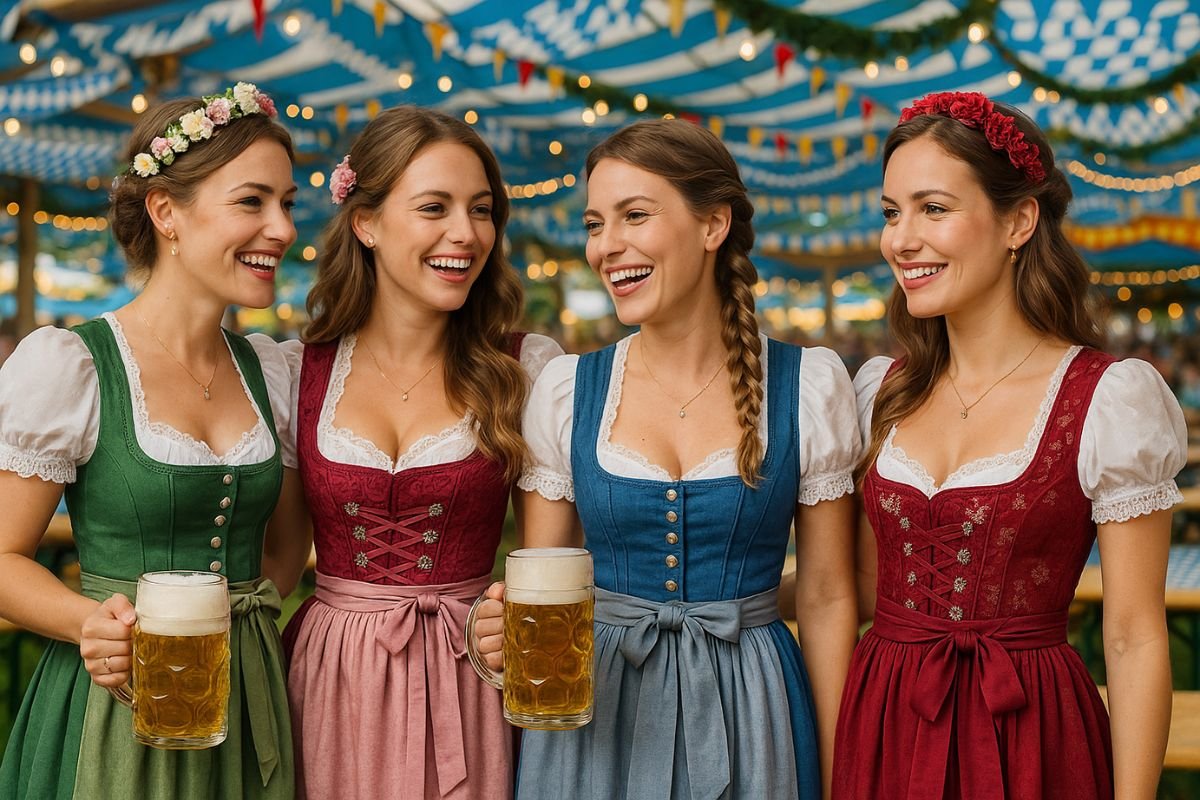
What Do Girls Wear at Oktoberfest? Complete Guide to Traditional Attire
Girls at Oktoberfest wear traditional dirndls (consisting of four essential parts: a fitted bodice, white blouse, full skirt, and decorative apron) or ladyhosen (feminine leather shorts with suspenders), paired with appropriate footwear like Haferlschuhe leather shoes or Mary Janes, knee-high Bavarian socks, and accessories including flower crowns, traditional jewelry, and small crossbody bags. The dirndl remains the most popular choice, with authentic versions featuring structured bodices that contour the waist, puff-sleeved blouses in cotton or lace, skirts ranging from mini to ankle-length (though knee-length midi styles are most traditional and widely accepted), and aprons tied in specific positions signaling relationship status—left side means single, right side indicates taken or married, center front traditionally meant virginity (rarely used today), and center back identifies servers or widows. Quality dirndls range from €150-€800 depending on fabric and craftsmanship, while costume versions cost €40-€100 but lack authenticity. Beyond the main outfit, successful Oktoberfest attire requires weather-appropriate layering like wool cardigans or Janker jackets, comfortable closed-toe shoes with good support, and thoughtful accessories that enhance rather than overwhelm the traditional aesthetic, creating a look that honors centuries of Bavarian heritage while allowing personal style expression.
Dressing for Oktoberfest goes far beyond fashion—it’s participation in living cultural tradition connecting modern festival-goers to Alpine heritage spanning centuries. What you wear carries cultural meaning, sends social signals through details like apron placement, and demonstrates respect for Bavarian customs that define the world’s most famous folk festival. Whether attending Munich’s authentic celebration or regional festivals worldwide, understanding traditional women’s attire, knowing how to wear it properly, and choosing quality pieces over cheap costumes ensures you participate authentically while looking and feeling your best throughout long festival days filled with dancing, singing, and celebration.
Understanding the Traditional Dirndl: Components and History
The dirndl stands as the quintessential Oktoberfest outfit for women—a traditional Alpine ensemble with roots in 19th-century Bavarian and Austrian rural life that has evolved into the iconic festival attire recognized worldwide.
The Four Essential Dirndl Components
Every authentic dirndl comprises four distinct pieces working together to create the characteristic silhouette and functionality defining this traditional dress.
The Bodice (Mieder):
The bodice forms the structured foundation of the dirndl, fitting snugly around the torso from bust to waist. Traditional bodices feature lacing, hook-and-eye closures, or decorative buttons running up the front or back, allowing adjustment for perfect fit. Quality bodices include internal boning or structured panels providing support and shaping, eliminating the need for additional foundation garments for many wearers. The neckline varies from modest high cuts to plunging sweetheart styles, with depth affecting overall formality and personal comfort.
Bodice construction quality dramatically impacts both appearance and wearability. Well-made bodices use multiple layers of fabric, reinforced seams, and quality closures that withstand repeated wearing and the physical demands of festival activities. The fit should feel snug without restricting breathing or movement—you should be able to sit comfortably, raise your arms, and dance without constant adjustment.
The Blouse (Dirndl Blouse):
Worn underneath the bodice, the dirndl blouse typically features puffed short sleeves and sits at or just below the bustline, creating the layered effect characteristic of traditional Alpine dress. Blouses come in various neckline styles—from demure high collars to romantic sweetheart cuts to dramatic low-cut designs revealing significant décolletage. Fabric choices include crisp cotton (most traditional and practical), delicate lace (romantic and feminine), or smooth satin (elegant and formal).
The blouse serves both practical and aesthetic purposes—providing coverage under the structured bodice, adding textural contrast to the outfit, and allowing personal expression through neckline and sleeve choices. For those concerned about modesty or sun protection, blouses with higher necklines and longer sleeves offer more coverage, while those seeking contemporary style might choose styles with lace details, ribbon accents, or modern cuts.
The Skirt (Rock):
The dirndl skirt attaches to the bodice at the waistline, featuring gathering or pleating that creates fullness allowing comfortable movement and the characteristic swirling effect when dancing. Traditional skirts fall anywhere from above-knee (mini) to ankle-length (maxi), though the most widely accepted and traditional length hits just below the knee (midi length, approximately 60-65cm from waist).
Skirt fabric and weight affect both appearance and practicality. Lightweight cotton prints work beautifully for daytime outdoor festivals in warm weather, while heavier wool or velvet skirts provide warmth for evening events or cooler autumn days. The fullness of the skirt depends on how much fabric is gathered—more gathering creates dramatic volume perfect for dancing, while less gathered skirts offer sleeker, more modern silhouettes.
The Apron (Schürze):
Perhaps the most culturally significant component, the apron ties around the waist over the skirt, typically made from contrasting or complementary fabric that adds visual interest. Aprons range from simple solid colors to elaborate embroidered or printed designs. The position where you tie the apron bow carries specific meaning in Bavarian tradition—a cultural signaling system every Oktoberfest attendee should understand.
Beyond symbolism, the apron allows creative styling expression. Some women match apron fabric precisely to their skirt for monochromatic elegance, while others choose bold contrasting colors or patterns creating eye-catching combinations. The apron can be short (ending at skirt hemline) or long (extending beyond skirt length), with longer aprons creating more formal, traditional appearances.
Dirndl History and Evolution
The dirndl originated as practical workwear for Alpine peasant women, servants, and farmers in Bavaria and Austria during the 19th century. The name “dirndl” derives from “Dirn,” a southern German dialect word meaning “young woman” or “maid.” These original dirndls featured sturdy fabrics, simple construction, and functional design allowing women to perform physical labor while maintaining modesty.
During the mid-to-late 1800s, wealthy urban women vacationing in Alpine regions romanticized rural peasant life, adopting simplified versions of the dirndl as fashionable leisure wear. This bourgeois appropriation transformed the dirndl from working-class necessity into cultural symbol representing idealized Alpine authenticity. The style gained broader popularity throughout the 20th century, eventually becoming the standard festive dress for Oktoberfest and other Bavarian celebrations.
Modern dirndls range from faithful reproductions of historical styles to contemporary designer interpretations pushing traditional boundaries. Fashion houses now produce high-end dirndls featuring luxury fabrics, avant-garde cuts, and trendy details while maintaining recognizable traditional elements. For comprehensive background on this evolution, read about the history of the dirndl and how this working-class garment became an international fashion icon.
Complete Dirndl Fit and Sizing Guide
Achieving perfect dirndl fit requires understanding specific measurements, construction characteristics, and sizing conventions that differ from standard clothing sizing.
Taking Accurate Dirndl Measurements
Essential Measurements:
Accurate measurements ensure proper fit when ordering dirndls, particularly important for online purchases where trying before buying isn’t possible. Measure bust at the fullest point while wearing the bra you’ll wear with the dirndl (or a dirndl-appropriate bra—more on this later). Measure natural waist at the narrowest point, typically one to two inches above your navel. Measure hips at the fullest point, usually 7-9 inches below natural waist. For skirt length, measure from natural waist to desired hemline—traditional midi length falls 2-4 inches below the knee.
Bodice bust measurement is particularly critical since the structured bodice doesn’t stretch like modern clothing. If measurements fall between sizes, sizing up for comfort generally works better than sizing down and risking breathing restriction or uncomfortable squeezing. Many women find their dirndl size differs from their standard dress size—don’t be surprised if you need different sizing than expected.
Fit Testing:
When trying on a dirndl, assess fit systematically. The bodice should feel snug but not restrict breathing or movement. You should be able to sit comfortably, raise your arms overhead, and take deep breaths without pain or excessive tightness. If the bodice gaps at the neckline or sides, it’s too large. If you can’t close it completely or feel squeezed, it’s too small. The blouse should lay smoothly under the bodice without bunching or gaping. The skirt should hang evenly all around without pulling or twisting.
Dirndl Length Guide: Choosing the Right Skirt Length
| Length Name | Measurement from Waist | Falls at | Best For | Formality Level | Traditional Rating |
| Mini | 35-45 cm (14-18 inches) | Mid-thigh to just above knee | Young women, party atmosphere, modern style | Casual, playful | Low – modern interpretation |
| Midi | 60-65 cm (24-26 inches) | 2-4 inches below knee | All ages, traditional settings, general festival wear | Medium – most versatile | High – most traditional |
| Tea Length | 75-80 cm (30-32 inches) | Mid-calf | Formal events, older wearers, traditional preference | Formal to semi-formal | Medium-high |
| Maxi/Ankle | 90-100 cm (35-39 inches) | Ankle | Evening events, weddings, very formal occasions | Very formal | High – historical formal |
Midi length dirndls (just below knee) remain most popular and widely appropriate for Oktoberfest, offering ideal balance between traditional authenticity, practical mobility, and flattering proportions for most body types. This length allows comfortable walking, dancing, and sitting while maintaining modesty and cultural appropriateness.
Understanding Bodice Fit and Support
Bra Considerations:
The structured dirndl bodice provides significant bust support, but many women still prefer wearing bras underneath. Traditional dirndl-specific bras feature lower gore (center piece between cups), wide-set straps avoiding bodice neckline visibility, and smooth construction without excessive padding creating unnatural shapes. Balconette, demi-cup, or strapless bras work well with most dirndl bodices. For detailed guidance on foundation garment selection, see our complete guide on what bra to wear with a dirndl.
Some authentic dirndls with extremely structured bodices require no bra at all, particularly for smaller-busted women. The bodice boning and construction provide adequate support and shaping. However, comfort and personal preference should guide decisions—wear whatever makes you feel secure and comfortable during long festival days involving extensive walking, dancing, and movement.
Bodice Adjustment and Lacing:
Dirndls with lacing closures (front, back, or side) offer maximum fit adjustability, perfect for body fluctuations throughout the day or for borrowing and sharing between friends with similar measurements. When lacing, start from the bottom and work upward, adjusting tension evenly for smooth, comfortable fit without gaps or bulges. The lacing should lie flat against the fabric, not pull or pucker.
Hook-and-eye closures offer clean, seamless appearance but provide less flexibility than lacing. Ensure all hooks close easily without straining—if you’re forcing closures, the bodice is too small. Button-front bodices, while beautiful, can gap between buttons if sized incorrectly. Test button placement carefully, checking that fabric lays flat between closures.
Dirndl Blouse Styles: Necklines, Sleeves, and Fabrics
The dirndl blouse, though often overlooked, dramatically impacts overall appearance and comfort, offering opportunities for personal expression within traditional frameworks.
Neckline Styles and Choosing What Flatters
High-Neck Collar:
Conservative and modest, high-neck blouses feature standing collars or high crew necklines providing maximum coverage. These work beautifully with plunging bodice necklines, creating contrast between revealed and concealed areas. High-neck styles suit daytime events, family-friendly settings, or personal modesty preferences. They also offer sun and wind protection during outdoor festival hours.
Sweetheart and Scoop Necklines:
Medium-coverage options, these necklines dip gently below the collarbone, offering feminine appeal without excessive skin exposure. They pair well with most bodice styles and flatter virtually all body types. Sweetheart necklines specifically—with their heart-shaped curves—enhance bust appearance naturally while maintaining appropriateness.
Deep Plunge and Balconette Styles:
Revealing significant décolletage, these dramatic necklines create sexy, confident looks popular in party-focused tents and evening events. When paired with similarly low-cut bodices, they create striking, fashion-forward aesthetics. However, they may feel inappropriate in traditional settings or family-oriented festival hours. Consider your comfort level with attention and photography—low necklines attract eyes and cameras.
Sleeve Styles: Traditional to Modern
Classic Puff Sleeves:
The most traditional option, short puffed sleeves hit at the upper arm, creating romantic, feminine silhouettes. These work universally well with all dirndl styles and body types, adding volume at shoulders that balances wider hips or draws attention upward. Puff sleeves come in varying volumes—subtle gathering for understated looks or dramatic puffing for theatrical flair.
Three-Quarter and Long Sleeves:
Modern adaptations offering more coverage, these work beautifully for cooler weather or those preferring covered arms. Long sleeves can feature cuffs, lace details, or bell shapes adding visual interest. Three-quarter length (ending mid-forearm) provides practical compromise between coverage and mobility, preventing sleeves from interfering with eating, drinking, or dancing.
Off-Shoulder and Cap Sleeves:
Contemporary styles pushing traditional boundaries, off-shoulder blouses create dramatic, fashion-forward looks showing significant shoulder and upper chest. Cap sleeves offer minimal coverage with maximum freedom of movement. Both styles lean more costume than traditional, better suited for creative interpretation than authentic representation.
Fabric Selection: Cotton, Lace, and Silk
Cotton Blouses:
The most practical and traditional choice, cotton blouses breathe well during long festival days, wick moisture effectively, and wash easily. Crisp white cotton creates classic, timeless looks pairing beautifully with any dirndl color or style. Cotton maintains its shape throughout the day, doesn’t wrinkle excessively, and costs less than luxury fabrics—ideal for first-time festival-goers or those seeking practical everyday dirndls.
Lace Blouses:
Adding romantic, delicate femininity, lace blouses range from subtle lace trim accenting simple cotton to entirely lace construction creating ethereal, elegant appearances. Lace works beautifully for evening events or special occasions but may feel hot or itchy during daytime outdoor festivals. Quality lace should feel soft against skin, not scratchy or stiff. Lace detail at necklines, sleeves, or bust adds visual interest without overwhelming simple dirndl designs.
Satin and Silk:
Luxurious and elegant, satin or silk blouses create sophisticated, formal aesthetics perfect for upscale events, evening celebrations, or fashion-forward festival-goers. These fabrics drape beautifully, catch light gorgeously, and feel sensuous against skin. However, they show sweat stains easily, wrinkle significantly, and require delicate care. Reserve silk or satin blouses for special occasions rather than all-day festival wear unless you’re committed to managing these fabrics’ maintenance requirements.
Dirndl Skirts and Aprons: Lengths, Fabrics, and Symbolism
The skirt and apron combination offers maximum opportunity for personal style expression while maintaining traditional dirndl structure.
Skirt Fabric and Pattern Selection
Cotton Prints:
Lightweight, breathable, and cheerful, cotton print skirts feature traditional patterns like florals, gingham checks, polka dots, or folk motifs. Bright, multi-colored prints feel festive and fun, perfect for daytime outdoor festivals. Darker or more subtle prints offer versatility, easily dressed up or down depending on accessories and styling. Cotton maintains its shape, resists wrinkles reasonably well, and tolerates frequent washing—ideal for rental dirndls or frequent festival attendance.
Velvet and Heavier Fabrics:
Luxurious and warm, velvet or heavy cotton skirts work beautifully for autumn weather, evening events, or formal occasions. These fabrics drape elegantly, creating rich, sophisticated appearances. Darker jewel tones—deep greens, burgundies, navies—look particularly stunning in velvet. However, these fabrics feel hot during warm days and may be uncomfortable for extensive walking or dancing. They also show wear more obviously and require professional cleaning.
Silk and Satin:
Creating formal, elegant aesthetics, silk or satin skirts offer beautiful drape and subtle sheen. These work best for evening events, weddings, or upscale celebrations rather than casual daytime festival wear. The fluidity of these fabrics creates graceful movement when dancing but may cling uncomfortably or show perspiration during active festival participation.
The Apron: Symbolism, Placement, and Styling
Apron Bow Meanings and Cultural Significance:
| Bow Position | Traditional Meaning | Modern Context | Who Wears It |
| Left Side | Single, available, looking for romance | Still widely observed by single women | Young, unmarried festival-goers |
| Right Side | Married, in relationship, taken, unavailable | Standard for married/partnered women | Women in relationships |
| Center Front | Virgin, young maiden | Rarely used today, considered old-fashioned | Almost no one – historical only |
| Center Back | Widow, waitress, staff member | Servers at Oktoberfest, widows | Professional servers, staff |
This bow placement tradition remains actively observed at Oktoberfest, functioning as subtle social signaling allowing appropriate interactions while respecting relationship statuses. Many women choose positioning based on these meanings, though some simply wear bows wherever feels aesthetically pleasing without considering symbolism. Being aware of meanings allows informed choices and prevents unintended miscommunication.
Styling for Different Body Types
| Body Type | Recommended Styles | What Works Best | What to Avoid |
| Petite | Mini or midi length, fitted bodices, minimal gathering | Vertical lines, monochromatic looks, delicate details | Maxi lengths, excessive volume, heavy fabrics |
| Tall | Midi to maxi lengths, fuller skirts, statement aprons | Horizontal details, bold patterns, textured fabrics | Mini lengths, overly fitted bodices, tiny accessories |
| Curvy/Full Bust | Structured bodices, supportive bras, higher necklines | Internal boning, quality construction, midi lengths | Flimsy bodices, extreme plunge necklines, thin straps |
| Pear-Shaped | Detailed bodices, puff sleeves, A-line skirts | Upper body emphasis, lighter skirt colors, full gathering | Tight skirts, heavy fabrics below waist, plain bodices |
| Apple-Shaped | Empire waist bodices, darker colors, structured fabrics | Vertical lines, midi lengths, statement necklaces | Extremely fitted bodices, light colors, horizontal stripes |
| Athletic/Straight | Fuller skirts, textured fabrics, decorative details | Puff sleeves, gathered skirts, pattern mixing | Overly fitted styles, minimal details, straight cuts |
These guidelines offer starting points, not rigid rules. Personal comfort and confidence matter most—wear styles making you feel beautiful regardless of “rules.”
Oktoberfest Etiquette in Traditional Attire
Wearing traditional clothing carries responsibilities beyond aesthetics. Respect cultural significance by wearing complete, properly assembled outfits rather than mixing dirndl pieces with incongruous modern items. Tie apron bow according to your actual relationship status if observing traditions. Maintain modest behavior befitting cultural attire—traditional dress shouldn’t be treated as sexy costume but as heritage clothing deserving respect.
Understanding how to wear a dirndl properly and learning about traditional dirndl accessories ensures your outfit honors Bavarian culture while expressing personal style.
Frequently Asked Questions
What should I wear to Oktoberfest as a woman?
Women should wear traditional dirndls (consisting of fitted bodice, white blouse, full skirt, and decorative apron) or ladyhosen (feminine leather shorts with suspenders) to Oktoberfest. The dirndl remains most popular and culturally appropriate, available in lengths from mini to ankle but with midi length (just below knee) most traditional and widely accepted. Complete outfits with comfortable closed-toe shoes like Haferlschuhe leather shoes or Mary Janes, Bavarian knee-high or ankle socks, and weather-appropriate layering like wool cardigans or Janker jackets. Add accessories including flower crowns or traditional hats, Bavarian jewelry like kropfband chokers, and small crossbody bags. Quality dirndls cost €150-€800 depending on materials and craftsmanship, while costume versions run €40-€100 but lack authenticity and durability. Wearing traditional attire demonstrates respect for Bavarian culture and enhances festival experience through participation in living heritage.
How much does an authentic dirndl cost?
Authentic dirndls range from €150-€800+ depending on quality, materials, and craftsmanship. Entry-level authentic dirndls (€150-€300) feature cotton fabrics, machine construction with some hand-finishing, and structured bodices adequate for occasional festival attendance lasting 2-3 seasons. Quality authentic dirndls (€300-€500) incorporate silk blends, genuine lace, detailed embroidery, hand-finishing, and superior construction lasting 5-10+ years with proper care. Premium designer dirndls (€500-€800+) use luxury fabrics like silk and velvet, feature elaborate hand-embroidery, include custom details, and serve as heirloom pieces lasting lifetimes. Budget costume dirndls (€40-€100) use synthetic materials, lack structural integrity, and suit single-season wear for those testing the look without investment. The investment in authentic quality pays dividends through comfort, appearance, durability, and respectful cultural participation at Oktoberfest celebrations.
Can I wear jeans to Oktoberfest?
While technically not prohibited, wearing jeans or casual modern clothing to Oktoberfest is strongly discouraged and culturally inappropriate. The festival celebrates Bavarian heritage, with traditional attire like dirndls and lederhosen representing respectful participation in cultural tradition rather than mere costume. Attendees wearing jeans, casual dresses, or street clothes stand out obviously and may encounter subtle disapproval from locals who view traditional dress as essential festival participation. Many beer tents give seating priority to traditionally dressed guests, and servers may treat casually dressed visitors less attentively. If purchasing authentic dirndls isn’t feasible, rental options (€50-€150 for multi-day periods) provide affordable access to traditional attire. At minimum, incorporate traditional elements—Bavarian-style blouses, folk-inspired accessories, or Alpine-appropriate colors—demonstrating effort toward cultural respect even without complete traditional outfits.
What color dirndl should I wear?
Choose dirndl colors based on personal coloring, occasion formality, and traditional color associations. Blue (especially Bavarian blue-and-white checks) represents regional pride and tradition, working universally well for Oktoberfest. Red conveys energy, passion, and boldness, creating eye-catching, festive looks. Green connects to Alpine nature and meadows, offering fresh, natural aesthetics. Black, burgundy, and deep jewel tones (emerald, sapphire, ruby) suggest elegance and formality, perfect for evening events. Warm-toned individuals (golden undertones, warm brown or red hair) shine in earthy colors—browns, warm greens, oranges. Cool-toned individuals (pink undertones, black or ash-blonde hair) look stunning in jewel tones and cool blues. For first dirndls, choose versatile colors working across occasions—medium blues, classic black, or forest green—rather than very pale or extremely bold shades with limited styling flexibility.
Do I need to wear traditional clothing to Oktoberfest?
While not legally required, wearing traditional Bavarian clothing to Oktoberfest is culturally expected and strongly encouraged. The festival celebrates regional heritage, with dirndls and lederhosen representing respectful cultural participation rather than optional costumes. Approximately 80-90% of attendees at Munich’s Oktoberfest wear traditional attire, making casually dressed visitors obvious outsiders. Traditional dress affects practical festival experiences—many beer tents prioritize seating for traditionally dressed guests, servers respond more enthusiastically, and photo opportunities abound for those in authentic attire. Beyond practicality, wearing traditional clothing deepens festival experience by connecting you to centuries of Bavarian heritage and demonstrating respect for cultural traditions hosting this celebration. If authentic purchases aren’t feasible, explore authentic dirndl dress options or consider rentals providing traditional attire without long-term investment.
What underwear do you wear with a dirndl?
Wear dirndl-appropriate bras featuring lower center gores, wide-set straps, and smooth construction without excessive padding creating unnatural shapes under fitted bodices. Balconette, demi-cup, or strapless bras work well with most dirndl necklines, avoiding straps showing at bodice edges. For low-cut bodices, plunge bras or adhesive cups provide support without visible bra structure. Some authentic dirndls with extremely structured bodices provide adequate support without bras, particularly for smaller-busted women—the bodice boning functions like built-in foundation garment. For detailed guidance selecting appropriate foundation garments, see our complete guide on what bra to wear with a dirndl. For lower body, seamless underwear in nude tones prevents visible panty lines under fitted skirts. Avoid high-waisted underwear rising above bodice waistline or creating bulk under fitted areas.
How do you measure for a dirndl?
Measure for dirndls by taking bust measurement at fullest point while wearing appropriate bra, natural waist at narrowest point (typically 1-2 inches above navel), hips at fullest point (usually 7-9 inches below waist), and desired skirt length from natural waist to hemline. Bodice fit is most critical—structured bodices don’t stretch like modern clothing, so accurate bust measurement ensures comfortable fit. If measurements fall between sizes, size up rather than down to avoid breathing restriction or uncomfortable squeezing. Dirndl sizing differs from standard dress sizing—many women find their dirndl size varies from their usual size, so don’t assume standard size translates directly. When trying dirndls, test fit by sitting, raising arms, taking deep breaths, and dancing—bodice should feel snug but never restrict movement or breathing. For comprehensive measurement and purchasing guidance, consult our complete guide on how to buy a dirndl.
Can you wear a dirndl if you’re not German?
Yes, anyone can wear dirndls to Oktoberfest regardless of German heritage—the festival welcomes international participants, and wearing traditional attire demonstrates cultural respect and appreciation rather than appropriation. Bavarian culture encourages global participation in Oktoberfest traditions, viewing dirndl-wearing by non-Germans as compliment to heritage rather than insult. The key difference between appreciation and appropriation lies in respectful approach—wear authentic or quality dirndls rather than cheap “sexy” costumes, understand cultural significance (like apron bow meanings), and treat traditional clothing as heritage dress deserving respect rather than party costume. Learning basic festival etiquette, Bavarian phrases, and cultural context demonstrates genuine interest in tradition beyond superficial aesthetics. Most Bavarians enthusiastically welcome international visitors wearing traditional attire properly, viewing it as celebration of cultural exchange and global interest in Alpine heritage.
What shoes should I wear with a dirndl?
Wear comfortable closed-toe shoes with good support like Haferlschuhe (traditional Alpine leather shoes), Mary Janes with low heels (1-2 inches maximum), or ankle/mid-calf boots with flat or low heels. Prioritize comfort over fashion—Oktoberfest involves extensive walking, standing, and dancing on various surfaces including cobblestones, requiring substantial foot support. Break in shoes thoroughly before festival day to prevent blisters during extended wear. Choose leather footwear allowing breathability and molding to foot shape over synthetic materials trapping moisture. Avoid open-toed shoes, sandals, flip-flops (offering no protection in crowded environments), high stiletto heels (sinking into grass, catching on cobblestones, causing foot pain), and brand-new unworn shoes (guaranteeing blisters). Coordinate shoe color with dirndl—brown leather works universally, black suits darker dirndls, and colored shoes can accent apron or bodice details. Complete footwear with appropriate Bavarian socks—knee-high for visibility or ankle socks for discretion.
Where can I buy a dirndl for Oktoberfest?
Buy dirndls from traditional Trachten shops in Munich (Angermaier, Lodenfrey, Wallach offering expert fitting and immediate purchase), online retailers specializing in German traditional clothing (Krüger Dirndl, Alpenclassics with extensive selections and competitive pricing), general online marketplaces (Amazon, eBay with varied quality requiring careful review reading), or through rental services in Munich (€50-€150 for multi-day periods, perfect for single-season attendance). For those seeking quality authentic pieces, explore traditional dirndl dress collections and ladies Oktoberfest dress options offering various styles and price points. Munich shopping provides professional fitting assistance and immediate availability but charges premium prices. Online shopping offers better prices and wider selection but presents sizing challenges without trying garments first. Rentals suit tourists attending single festivals without long-term dirndl needs but offer limited size and style selection—book well in advance for popular dates.
What does the dirndl apron bow position mean?
The dirndl apron bow position traditionally signals relationship status through specific placement. Left side means single and available, widely observed by unmarried women seeking to indicate availability. Right side indicates married, in relationship, or taken, standard for women in committed partnerships. Center front traditionally meant virgin or young maiden but is rarely used today, considered old-fashioned. Center back identifies servers, waitstaff, or widows, clearly distinguishing professional workers from guests. This tradition remains actively observed at Oktoberfest, functioning as subtle social signaling allowing appropriate interactions while respecting relationship boundaries. Many women choose positioning based on these meanings, though some simply tie bows wherever feels aesthetically pleasing without considering symbolism. Being aware of traditional meanings allows informed choices and prevents unintended miscommunication during festival interactions.
Can I rent a dirndl in Munich for Oktoberfest?
Yes, several Munich shops offer dirndl rentals perfect for tourists attending single festival seasons without wanting to purchase. Rental costs typically range €50-€150 for multi-day periods (usually 2-4 days), providing authentic quality dirndls without purchase investment. Major rental providers include Angermaier (extensive selection, professional fitting), Trachten & Mehr (budget-friendly options), and Servus Heimat (modern styles). Rentals include complete outfits—bodice, blouse, skirt, apron—though accessories like shoes, jewelry, and bags typically require separate rental or purchase. Book rentals well in advance (ideally 6-8 weeks before festival) as popular sizes and styles book quickly, especially for prime festival weekends. Visit rental shops early in your Munich stay for fitting appointments ensuring proper sizing and allowing time for adjustments if needed. Rental dirndls must be returned in good condition—excessive staining, damage, or loss incurs additional fees.
Ready to experience Oktoberfest authentically dressed? Explore authentic Bavarian dirndl dress collections and ladies Oktoberfest dress options to find the perfect traditional attire honoring Bavarian heritage while expressing your personal style.

Bavarian heritage and fashion specialist · Lead content
contributor, German Attire
About Anna
Anna Bauer grew up in Munich, where traditional dress is not a costume but everyday formal wear. Trachten appears at weddings, at church, at village festivals and in public life, and that ordinary familiarity shapes how she writes about it. She studied fashion and textile design at the Berlin University of the Arts, specialising in European folkwear. Over more than a decade since, she has worked with Trachten designers and styled outfits for Oktoberfest events across Germany.
What she writes about
- The history and regional variation of Bavarian and Alpine dress
- How Dirndl and Lederhosen are constructed, and what separates
authentic garments from costume versions - Fabric patterns and embroidery motifs, and what they mean
- Styling traditional dress for festivals, weddings and formal
occasions - Fit, sizing and care
Her approach
Anna’s writing starts from a simple position: traditional dress deserves to be explained accurately. Much of the English-language information about Lederhosen and Dirndl repeats claims that no Bavarian would recognise. Her work aims to correct that, and to give readers outside Germany enough context to wear Trachten with confidence rather than guesswork.