Get 5% Off – Use promo code German Attire


6 Reasons Why dirndl dress expensive?
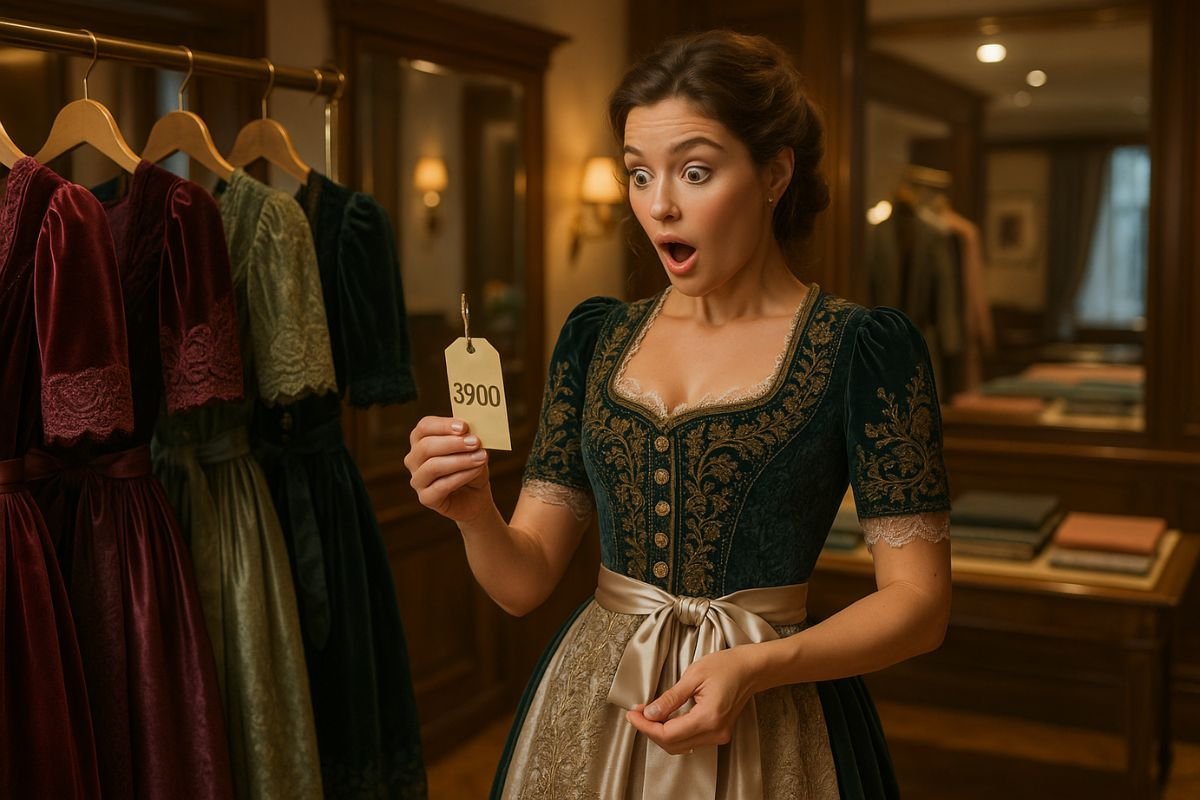
Why Are Dirndl Dresses So Expensive? Understanding Quality, Craftsmanship & Value
You’re browsing dirndls online and the price shock hits immediately. A costume shop offers one for €49. The Munich Trachten boutique website shows €380. A designer label wants €650. They all look vaguely similar in photos—fitted bodice, full skirt, apron—so what possibly justifies these dramatic price differences? Are expensive dirndls genuinely better, or is it just marketing hype preying on tourists desperate for “authentic” Oktoberfest attire?
The truth is more nuanced than simple quality differences. Authentic dirndl pricing reflects intricate hand-craftsmanship passed through generations of Bavarian tailors, premium materials that last decades rather than seasons, time-intensive construction techniques involving dozens of individual processes, cultural heritage protection supporting traditional artisan workshops, and genuine scarcity from limited small-batch production. This comprehensive guide breaks down exactly what you’re paying for at different price tiers—from the €50 polyester costume to the €800 custom-tailored heirloom piece—explaining which cost factors genuinely impact quality and longevity versus which represent luxury positioning. We’ll examine the specific craftsmanship elements, material differences, regional variations, and practical value propositions helping you determine whether investing in an expensive dirndl makes sense for your needs, budget, and wearing frequency.
Understanding Dirndl Price Ranges and What They Mean
Before examining why dirndls cost what they do, understanding the market tiers helps contextualize where additional expense goes.
Complete Price Tier Breakdown
| Price Tier | Typical Range | Construction Method | Materials Used | Expected Lifespan | Best For |
| Budget/Costume | €40-€100 | Mass-produced, machine-sewn | Polyester, synthetic lace, plastic closures | 1-3 wearings | Single-event tourists, costume parties |
| Entry Authentic | €100-€200 | Semi-handmade, mixed construction | Cotton blends, basic trims, standard closures | 2-5 years occasional use | First-time buyers, casual festival wear |
| Mid-Range Quality | €200-€400 | Substantial handwork, traditional techniques | Quality cotton/linen, real lace, metal hardware | 5-10+ years regular use | Regular Oktoberfest attendees, cultural events |
| Premium Traditional | €400-€600 | Extensive handwork, artisan construction | Premium fabrics, hand-embroidery, superior fit | 10-20+ years, heirloom potential | Serious collectors, important occasions |
| Luxury/Designer | €600-€1,200+ | Completely handmade, bespoke options | Silk, velvet, museum-quality embroidery | Lifetime garment, generational | Weddings, major celebrations, investment pieces |
This price spectrum exists because dirndls serve wildly different purposes—from one-time tourist costumes to genuine cultural garments worn regularly for decades and eventually passed to daughters or granddaughters. Understanding your needs determines which tier makes rational sense.
The Hidden Costs of Cheap Dirndls
Budget dirndls under €100 seem tempting, but hidden costs emerge quickly. Poor construction means seams split, bodices lose shape after single wearings, and synthetic fabrics cause uncomfortable sweating during festival days. These “bargains” typically require complete replacement after 1-3 uses, making cost-per-wearing actually higher than mid-range options lasting years. Additionally, cheap dirndls often look obviously inauthentic to locals, potentially causing social awkwardness at traditional Bavarian events where cultural respect matters. The polyester sheen, flimsy construction, and costume-quality appearance mark wearers as tourists rather than participants in cultural tradition.
The Craftsmanship Factor: Why Handwork Costs More
The single largest price determinant in authentic dirndls is the sheer amount of skilled human labor involved in construction.
Hand-Cut Patterns and Individual Sizing
Quality dirndls begin with hand-cut patterns tailored to individual measurements rather than mass-produced sizing. Traditional Bavarian tailors create patterns accounting for the wearer’s specific torso length, bust circumference, waist definition, and hip proportions—critical for dirndls where tight bodices must fit precisely without gaping or restricting breathing. This individualized pattern work takes 30-60 minutes per garment versus seconds for factory die-cutting, immediately adding €30-€50 to production costs. However, this investment ensures proper fit transforming dirndls from uncomfortable costumes into wearable, flattering garments.
Bodice Construction: The Most Labor-Intensive Element
Dirndl bodices represent the most complex, time-consuming component justifying significant price premiums. Authentic bodices incorporate multiple construction layers: outer decorative fabric, inner structural lining, boning channels sewn individually, interfacing providing shape retention, and hand-finished seams creating smooth interior surfaces. Each bodice requires 3-6 hours of skilled tailoring depending on complexity, with elements like princess seams, bust darts, and waist shaping demanding precision impossible to rush.
Traditional bodices use spiral steel or synthetic boning sewn into individual channels running vertically from bust to waist, providing structure preventing the bodice from rolling or collapsing during wear. Installing boning correctly—ensuring channels run straight, bones don’t shift or poke through fabric, and overall structure remains balanced—requires expertise developed over years of practice. Cheap dirndls skip boning entirely or use minimal plastic stays, resulting in saggy, unflattering fit and bodices riding up uncomfortably.
Hand-Sewn Closures and Hardware Installation
Authentic dirndls feature hand-installed metal hooks, eyes, and lacing grommets providing both security and longevity. Each hook-and-eye closure (typically 6-12 per bodice) is individually sewn with reinforcement stitching preventing tearing under the tension of tight bodice fit. Lacing eyelets receive similar careful installation with fabric reinforcement preventing ripping. This meticulous hardware installation takes 1-2 hours per garment but ensures closures withstand years of use. Budget versions use cheap plastic hooks glued or minimally stitched, failing quickly under normal stress.
Skirt Construction: Pleating, Gathering, and Hemming
Dirndl skirts, while appearing simpler than bodices, involve substantial handwork. Authentic skirts feature hand-pressed pleats or gathered sections creating the characteristic full, flowing silhouette. Traditional Bavarian tailors press each pleat individually, pin it in place, then secure with careful stitching—a process taking 2-4 hours for full skirts. The gathered waistband where skirt attaches to bodice requires precise calculation ensuring even fullness distribution without bulky bunching. Hand-rolled hems on quality dirndls provide clean finishes without the bulk of machine hems, though this detailed work adds hours to production time.
For understanding how dirndl construction affects wearing experience and longevity, see our comprehensive guide on how to wear a dirndl explaining how quality construction impacts comfort and fit.
Premium Materials: Where Fabric Quality Impacts Price
Material costs vary dramatically based on fiber content, weave quality, and origin, directly affecting dirndl pricing.
Natural vs. Synthetic Fiber Costs
The fundamental material divide separates natural fibers (cotton, linen, silk, wool) from synthetics (polyester, viscose, nylon). Natural fiber fabrics cost €8-€40 per meter depending on quality, while synthetic alternatives run €3-€12 per meter. A typical dirndl requires 3-5 meters of fabric accounting for bodice, skirt, lining, and apron, meaning material costs alone range from €9-€15 for synthetic versions up to €120-€200 for premium natural fibers. This baseline material expense partially explains price tiers.
However, cost differences extend beyond mere price—natural fibers breathe, drape naturally, hold shape through washing, and age gracefully while synthetics trap heat, create unflattering stiffness, pill or shine with wear, and degrade noticeably after limited use. For garments worn during active festival participation often in warm weather, breathable natural fibers dramatically improve comfort justifying higher costs.
Specialty Fabrics and Their Premiums
Beyond basic cotton, premium dirndls incorporate specialty fabrics commanding significant price premiums. Silk dirndls using high-quality silk taffeta, dupioni, or charmeuse cost €40-€80 per meter just for fabric, immediately adding €120-€400 to production costs. Luxury velvet—particularly cotton velvet or silk velvet—runs €25-€60 per meter. Fine linen from European mills costs €15-€35 per meter. Traditional brocade or jacquard-woven fabrics featuring raised patterns cost €20-€50 per meter. These specialty materials create distinctive appearances, superior drape, and luxury tactile qualities impossible with basic cottons or synthetics.
Lining Quality and Interior Construction
The difference between lined and unlined dirndls significantly impacts both price and wearing experience. Quality dirndls feature complete lining in bodices and often skirts, requiring additional 2-3 meters of lining fabric (€8-€25 in costs) plus extra construction time. However, lining provides essential benefits: protecting outer fabric from body oils and perspiration, creating smooth interior surfaces preventing skin irritation, adding structure and weight improving drape, and significantly extending garment lifespan by reducing outer fabric stress.
Cheap dirndls skip lining entirely or use thin, cheap polyester creating clammy, uncomfortable wearing experiences and offering no protection for outer fabrics subjected directly to perspiration and body oils causing rapid degradation.
Lace, Trim, and Embellishment Material Costs
Authentic dirndls incorporate genuine lace trim, quality ribbons, and metal findings rather than synthetic approximations. Real cotton or linen lace costs €5-€30 per meter compared to €1-€3 for synthetic versions. A single dirndl might use 2-4 meters of lace for bodice trim, sleeve edges, and apron details, adding €10-€120 in material costs alone. Metal hooks, grommets, and decorative findings cost €5-€20 per set versus pennies for plastic alternatives. Quality grosgrain or satin ribbon for apron ties costs €3-€8 per meter versus €0.50 for cheap polyester. These small details accumulate into substantial cost differences while dramatically affecting overall quality perception and longevity.
Hand Embroidery and Decorative Artistry
Embellishment work represents another major cost driver, particularly in premium and luxury dirndls.
Traditional Hand Embroidery Techniques
Authentic Bavarian embroidery—featuring edelweiss flowers, Alpine motifs, folk patterns, or regional symbols—is painstakingly executed by hand using specialized techniques. A skilled embroiderer completes 2-4 hours of work per dirndl depending on design complexity, with intricate patterns requiring 8-12+ hours. At artisan labor rates (€20-€40 per hour in Bavaria), embroidery alone can add €80-€480 to dirndl costs. This handwork creates raised, textured designs with subtle color variations and artistic character impossible to replicate with machine embroidery.
Machine embroidery offers cost-effective alternatives, but discerning eyes spot differences immediately—mechanical uniformity, flat appearance, limited color complexity, and generic patterns versus the organic variation and cultural authenticity of handwork. For dirndls serving as cultural garments rather than costumes, hand embroidery justifies premium pricing through artistic merit and traditional technique preservation.
Beadwork and Sequin Application
High-end dirndls sometimes incorporate beading or sequin work adding dramatic visual impact and substantial labor costs. Hand-sewn beads or sequins take 4-10+ hours depending on coverage area and pattern complexity. Skilled beaders command €25-€50 per hour, potentially adding €100-€500 to garment costs. This meticulous work creates secure attachment ensuring beads don’t fall off during wearing or washing—a common problem with cheap glued embellishments failing after minimal use.
Appliqué and Specialty Techniques
Some premium dirndls feature appliqué work—fabric pieces cut and sewn onto base fabric creating dimensional decorative elements. This technique requires pattern cutting, edge finishing, and careful hand-stitching, taking 2-6 hours per garment. Regional variations might include ribbon work, gathered fabric flowers, or traditional “Charivari” loops for hanging decorative chains. These specialty embellishments showcase individual artisan skills and regional traditions, commanding appropriate price premiums while making each dirndl genuinely unique.
Heritage Preservation and Artisan Workshop Support
Part of dirndl pricing reflects cultural heritage preservation and support for traditional artisan communities.
Small Workshop vs. Mass Production Economics
Authentic dirndls typically come from small family-run workshops or regional ateliers employing 5-20 skilled workers rather than industrial factories with hundreds of low-wage workers. These small operations lack economies of scale—they can’t bulk-purchase materials at deep discounts, can’t amortize equipment costs across massive production volumes, and pay skilled artisan wages rather than minimum wage. This structural reality means genuinely handcrafted dirndls inherently cost more than mass-produced alternatives regardless of material or construction quality.
However, small workshop production ensures quality control, preserves traditional techniques, supports local economies, and maintains cultural authenticity mass production destroys. Part of premium dirndl pricing represents conscious choice supporting these values over pure cost minimization.
Regional Specialization and Geographic Pricing
Dirndls from specific regions command premium pricing based on authentic regional construction methods and cultural heritage. Salzburg dirndls featuring specific collar styles and trim placements, Tyrolean dirndls with characteristic embroidery patterns, or Upper Bavarian versions with regional fabric choices each represent distinct traditional styles. Authentic examples from these regions, produced by local artisans using traditional methods, cost more than generic “Bavarian-style” dirndls because they embody genuine cultural heritage rather than vague approximations.
Seasonal Production and Limited Availability
Most traditional dirndl workshops produce limited quantities timed to Oktoberfest season rather than year-round mass production. This seasonal, small-batch approach means fixed workshop costs (rent, equipment, overhead) spread across fewer garments, increasing per-unit costs. Additionally, limited production creates genuine scarcity—popular styles sell out, desirable sizes become unavailable, and waiting lists develop for custom work. This supply-demand dynamic naturally elevates prices, particularly during peak season approaching Oktoberfest.
Customization and Made-to-Order Premium
Custom fitting and personalization options significantly increase dirndl costs while providing superior results.
Semi-Custom vs. Fully Bespoke Pricing
Many quality dirndl retailers offer semi-custom options: selecting from available fabric choices, choosing bodice and skirt combinations, and specifying measurements for custom construction. This semi-custom approach adds €80-€150 over ready-to-wear pricing but ensures proper fit and personal style preferences. Fully bespoke dirndls—completely custom-designed with client-selected fabrics, unique embroidery patterns, and multiple fitting sessions—start around €500 and escalate to €1,500+ depending on materials and complexity. The bespoke process involves consultations, pattern drafting, initial fitting with muslin prototype, adjustments, final construction, and finishing—representing 20-40+ hours of artisan time justifying substantial premiums.
Fit Alterations and Adjustment Costs
Even ready-to-wear dirndls often require professional alterations ensuring ideal fit. Bodice adjustments (taking in or letting out, raising or lowering bust darts, adjusting shoulder width) cost €30-€80 depending on complexity. Skirt length alterations run €20-€40. These necessary alterations add to total dirndl investment but prove essential for flattering, comfortable fit given dirndls’ structured, fitted nature. Premium retailers include basic alterations in purchase price, while budget sellers offer no alteration services leaving buyers to find tailors familiar with traditional construction—if such tailors exist locally.
For comprehensive guidance on selecting dirndls with proper fit from the start, see our detailed guide on how to buy a dirndl covering sizing, quality assessment, and purchase decisions.
Longevity and Cost-Per-Wear Analysis
Expensive dirndls often prove more economical long-term when analyzed through cost-per-wearing rather than upfront expense.
Lifespan Comparison Across Price Tiers
| Price Tier | Initial Cost | Expected Lifespan | Estimated Wearings | Cost Per Wear | Long-Term Value |
| Budget Costume | €60 | 1-3 wearings | 2 times | €30.00 | Very poor – single-use essentially |
| Entry Authentic | €150 | 3-5 years occasional | 15 times | €10.00 | Fair for infrequent use |
| Mid-Range Quality | €300 | 8-12 years regular | 50+ times | €6.00 | Excellent for regular wearers |
| Premium Traditional | €500 | 15-25 years | 100+ times | €5.00 | Outstanding – heirloom potential |
| Luxury Investment | €800 | Lifetime/generational | 200+ times | €4.00 | Superior – multi-generational value |
This analysis reveals counterintuitive economics: the €800 luxury dirndl worn regularly for decades costs less per wearing than the €60 costume worn twice before falling apart. For serious dirndl wearers attending Oktoberfest annually, participating in cultural events, or wearing traditional dress regularly, premium investment makes clear financial sense.
Maintenance and Care Cost Factors
Expensive dirndls require appropriate care but paradoxically cost less to maintain than cheap versions. Quality natural-fiber dirndls withstand professional cleaning without degradation, while synthetic costume versions often can’t survive even careful hand-washing. Premium dirndls featuring quality construction allow simple repairs—replacing hooks, mending seams, refreshing lace trim—extending lifespan decades. Cheap versions with glued embellishments, weak seams, and synthetic materials can’t be meaningfully repaired, requiring complete replacement when minor damage occurs.
However, expensive dirndls do demand professional dry cleaning (€25-€40 per cleaning for silk or velvet) rather than home washing, and any needed repairs require skilled tailors charging appropriate rates (€40-€100 for significant work). Budget accordingly if investing in premium pieces. For detailed care guidance preserving expensive dirndl investments, see our comprehensive guide on how to wash dirndl covering proper maintenance for all fabric types and quality levels.
Brand Positioning and Retail Markup
Beyond production costs, brand positioning and retail channels significantly affect dirndl pricing.
Traditional Bavarian Brands vs. Mass Market
Established Bavarian brands like Angermaier, Lola Paltinger, Gössl, Krüger, or Hammerschmid command premium pricing through brand heritage, quality reputation, and cultural authenticity. These companies maintain Munich or regional Bavarian workshops, employ skilled traditional tailors, and source premium materials from established European textile mills. Their dirndls cost €300-€800 but represent genuine quality and authentic cultural products. Mass-market fashion brands producing “dirndl-inspired” pieces offer lower prices (€80-€200) but sacrifice traditional construction, authentic materials, and cultural legitimacy for broader market appeal.
Retail Location and Overhead Costs
Where dirndls sell affects pricing substantially. Munich Trachten boutiques on premium shopping streets pay enormous rent passing costs to customers—the same dirndl costing €350 in a small-town Bavarian shop might be €480 in upscale Munich retail. Online retailers reduce overhead but lose fitting services and immediate availability. Department stores mark up significantly covering extensive overhead despite offering no specialist knowledge or services. Understanding these retail economics helps identify where premiums reflect quality versus location and brand positioning.
When Expensive Dirndls Make Sense (And When They Don’t)
Not everyone needs or benefits from expensive dirndls—honest assessment of usage patterns determines appropriate investment levels.
Ideal Candidates for Premium Investment
Premium dirndls justify costs for: regular Oktoberfest attendees wearing dirndls 5+ times annually, individuals with Bavarian heritage for whom dirndls carry cultural significance, wedding attendees or bridal parties requiring formal traditional dress, serious folk dance participants needing authentic, durable garments, and collectors or enthusiasts who genuinely appreciate traditional craftsmanship. For these users, expensive dirndls provide superior comfort during extended wearing, appropriate cultural respect and authenticity, long-term value through decades of use, and genuine pride in wearing quality traditional garments.
When Budget Options Suffice
Budget or mid-range dirndls work perfectly for: first-time Oktoberfest tourists likely wearing once, costume party attendees needing traditional appearance without cultural authenticity, budget-conscious buyers testing dirndl interest before major investment, growing teenagers who’ll outgrow garments before wearing them extensively, and event-specific needs where dirndl serves purely functional role. Honest self-assessment prevents overspending on garments that won’t receive sufficient wear justifying premium costs.
The Rental Alternative
Dirndl rental offers practical middle ground—experiencing authentic, well-made dirndls without purchase commitment. Munich rental shops charge €60-€120 for weekend rentals of quality dirndls that would cost €300-€500 to purchase. This option works beautifully for tourists, one-time event attendees, or those exploring dirndl wearing before deciding on purchase. However, rental sizing limitations, wear-and-tear on rental garments, and no personalization make rentals unsuitable for regular use or important occasions demanding perfect fit and pristine appearance.
Identifying Quality and Avoiding Overpriced Products
Understanding quality markers helps distinguish genuinely expensive dirndls from overpriced mediocre ones.
Quality Authentication Checklist
Authentic expensive dirndls should feature: fully lined bodices with quality lining fabric, metal (not plastic) hooks and hardware throughout, actual boning in bodice (steel or quality synthetic), hand-finished seams and hems showing no raw edges, natural fiber fabrics (cotton, linen, silk) or quality blends, substantial fabric weight and quality drape, precise tailoring with professional construction, genuine lace trim if included (test by stretch and texture), quality apron with proper ties and finishing, and care labels indicating origin and fabric content. Missing these elements suggests overpricing for actual quality delivered.
Red Flags Indicating Poor Value
Beware dirndls showing: mismatched thread colors indicating rushed construction, loose or sloppy stitching visible even to untrained eyes, thin, flimsy fabrics lacking body or structure, obvious synthetic sheen or cheap appearance, plastic hardware or glued embellishments, unlined bodices or skirts in supposed “premium” pieces, machine-finished hems with visible raw edges inside, poor pattern matching at seams, and uncomfortable fit issues even in correct sizes. These problems indicate quality not justifying asking prices regardless of brand positioning or retail location.
For those building complete traditional wardrobes, explore authentic Bavarian traditional dirndl dress collections and ladies Oktoberfest dress options offering various quality and price tiers with transparent descriptions.
FAQ’s
How much does a good quality dirndl actually cost?
Expect to pay €250-€400 for a genuinely good quality dirndl that will last years with proper care. This price range gets you natural fiber fabrics, substantial handwork in construction, metal hardware, proper boning, and workmanship that survives regular wearing and professional cleaning. Yes, you can spend less—but under €200 means compromising on materials or construction. You can also spend far more—€500-€800 buys premium fabrics, extensive hand embroidery, and superior fit. But that €250-€400 sweet spot delivers authentic quality without luxury premiums.
What exactly am I paying for in an €800 dirndl?
At €800, you’re buying museum-quality craftsmanship. Think hand-embroidered edelweiss taking 12 hours of artisan work. Silk or luxury velvet fabric. Completely hand-constructed bodice with multiple fittings ensuring perfect fit. Often these are limited editions or bespoke pieces from heritage Bavarian houses like Lola Paltinger or Gössl’s premium lines. You’re also paying for exclusivity—you won’t see ten other women wearing the same dress at Oktoberfest. Is it “worth it”? That depends entirely on your values, budget, and how much wearing you’ll get. For a once-a-year tourist, absolutely not. For a Bavaria-based woman wearing it to weddings, festivals, and cultural events for decades? The math works.
Can I find authentic dirndls for under €150?
You can find entry-level authentic dirndls around €120-€180, typically from smaller workshops or end-of-season sales from established brands. At this price point, expect simpler designs—less embroidery, basic cotton fabric, minimal hand finishing. These aren’t costume-quality garbage, but they’re not heirloom pieces either. They’ll survive several seasons of occasional wear if you care for them properly. Think of them as the reliable Honda Civic of dirndls—not glamorous, but they get the job done. Just don’t expect hand-sewn lace or silk fabrics. And definitely shop in-person or from reputable retailers with clear return policies, because fit issues at this price tier often can’t be easily altered.
Why do some Oktoberfest dirndls cost more than wedding dresses?
Because a quality dirndl is a wedding dress—or at least wedding-dress level of construction. Traditional Bavarian weddings often feature dirndls as bridal wear, and these pieces receive the same attention as formal bridal gowns: bespoke fitting, premium fabrics, hand embroidery, multiple construction layers. The difference is wedding dresses are worn once; dirndls get worn for decades. Also, traditional craftsmanship commands premium pricing. That 70-year-old Bavarian seamstress who learned pattern-cutting from her grandmother isn’t working for fast-fashion wages. Her skills are rare, culturally significant, and priced accordingly. When you pay €600 for a dirndl, you’re not just buying fabric and thread—you’re supporting traditional craft preservation and paying for expertise that took decades to develop.
Do expensive dirndls actually fit better?
Night and day difference. Cheap dirndls use maybe 4-5 standard sizes covering the entire human population—good luck if you’re between sizes or have proportions that don’t match their generic pattern. Mid-range and expensive dirndls often come in 8-12 size variations with options for different bodice lengths, bust sizes, and torso proportions. Premium versions frequently include semi-custom construction where they adjust the pattern to your specific measurements. The bodice fit especially matters—it’s the structured, fitted part that either makes you look amazing or creates a lumpy, uncomfortable mess. I’ve seen women transformed from “wearing a costume” to “looking like they stepped out of a Bavarian painting” just by upgrading from a €60 costume to a properly fitted €300 dirndl. The fit difference alone often justifies the cost.
Are there good deals on dirndls I should watch for?
Absolutely. Post-Oktoberfest sales (late October through November) see 30-50% discounts as shops clear seasonal inventory. End-of-season sales in January also offer deals. Online retailers sometimes discount previous years’ fabrics when new collections arrive. Estate sales and second-hand markets occasionally yield incredible finds—quality dirndls from the 1980s-90s that cost €400 new selling for €80-€150. Rental shops sometimes sell used rental stock at deep discounts. Just be cautious: if something seems too good to be true (€500 dirndl for €100 from unknown online seller), it probably is. Stick with established retailers, even when hunting bargains. And remember that “40% off” doesn’t mean much if the original price was inflated.
How can I tell if an expensive dirndl is worth the price?
Feel the fabric first—weight, texture, drape. Quality fabrics have substance and natural feel; cheap ones feel papery or slick. Check the interior—fully lined? Clean seam finishes? Or raw edges and minimal construction? Examine stitching—even, small stitches with matched thread colors indicate care. Look at hardware—metal hooks and grommets or cheap plastic? Try the bodice fit—does it shape to your body or create weird gaps and bulges? Check if there’s actual boning (you’ll feel rigid vertical supports) or if it’s just fabric. Read the label—natural fibers or polyester? Ask about the construction—handmade elements or fully machine-produced? Don’t be shy about asking questions. Reputable sellers proudly explain their construction methods and materials. Evasive answers about “where it’s made” or “what it’s made from” are red flags.
What’s the depreciation on dirndls if I want to resell later?
Quality dirndls hold value surprisingly well—better than most clothing. A €400 dirndl from a recognized brand in good condition might resell for €200-€250 (50-60% of original price) even after several years. Designer pieces from Lola Paltinger or luxury heritage brands sometimes sell secondhand for 70-80% of original price if in excellent condition. The key is buying quality to start with—cheap dirndls have zero resale value because nobody wants used polyester costumes. Classic styles in traditional colors (black, navy, burgundy, forest green) resell better than trendy patterns or unusual colors. Vintage dirndls from quality makers (1970s-1990s) actually appreciate in value among collectors. So if you’re buying an expensive dirndl but worry about the investment, quality pieces retain substantial value if you eventually sell.
Should I buy my first dirndl expensive or start cheap?
Start mid-range. Here’s why: a €50 costume will fit poorly, feel uncomfortable, and look obviously fake—possibly turning you off dirndls entirely. But jumping straight to an €800 custom piece before you know if you’ll actually wear dirndls regularly is financial madness. The sweet spot for first-timers is €200-€300. You get legitimate quality, decent fit (with perhaps minor alterations), and authentic appearance without massive financial commitment. Wear it for a season or two. If you love dirndls and wear yours regularly, upgrade to a premium piece next. If you wore it twice and it’s now collecting dust, you haven’t blown your entire clothing budget on an expensive mistake. Think of your first dirndl as a quality test drive, not a lifetime commitment.

Bavarian heritage and fashion specialist · Lead content
contributor, German Attire
About Anna
Anna Bauer grew up in Munich, where traditional dress is not a costume but everyday formal wear. Trachten appears at weddings, at church, at village festivals and in public life, and that ordinary familiarity shapes how she writes about it. She studied fashion and textile design at the Berlin University of the Arts, specialising in European folkwear. Over more than a decade since, she has worked with Trachten designers and styled outfits for Oktoberfest events across Germany.
What she writes about
- The history and regional variation of Bavarian and Alpine dress
- How Dirndl and Lederhosen are constructed, and what separates
authentic garments from costume versions - Fabric patterns and embroidery motifs, and what they mean
- Styling traditional dress for festivals, weddings and formal
occasions - Fit, sizing and care
Her approach
Anna’s writing starts from a simple position: traditional dress deserves to be explained accurately. Much of the English-language information about Lederhosen and Dirndl repeats claims that no Bavarian would recognise. Her work aims to correct that, and to give readers outside Germany enough context to wear Trachten with confidence rather than guesswork.