Get 5% Off – Use promo code German Attire


What Is a German Beer Girl Called? The Real Answer
What is a German Beer Girl Called? The Complete Guide to Oktoberfest Servers
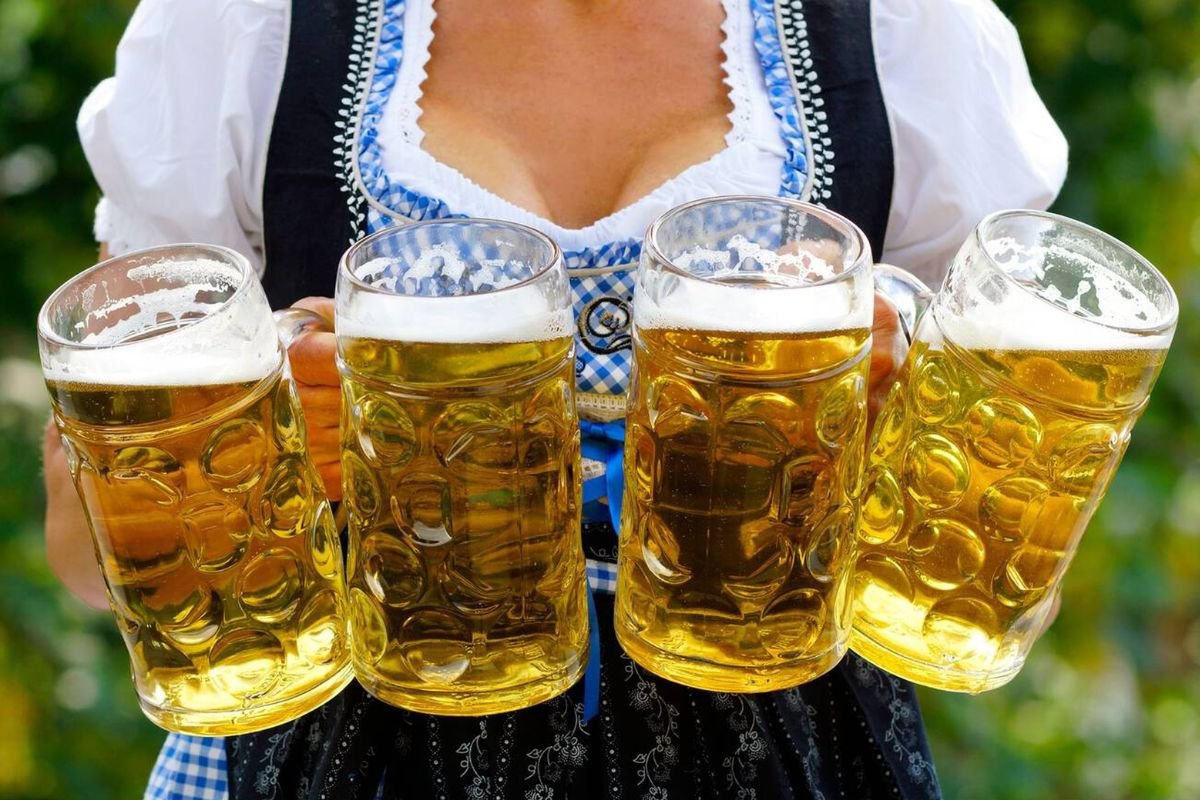
A German beer girl is properly called a Kellnerin (plural: Kellnerinnen) in German, which translates to “waitress” or “female server.” While tourists often use the casual term “beer girl,” Bavarians prefer the professional designation Kellnerin, or sometimes reference the traditional Dirndl dress these servers wear. The playful nickname Biermädel (literally “beer girl”) occasionally appears in festival contexts but isn’t standard German terminology.
Picture yourself at Oktoberfest in Munich, surrounded by traditional Bavarian music, the aroma of roasted almonds, and thousands of festival-goers raising their steins. Among the bustling crowds, skilled servers effortlessly weave through packed beer tents, balancing impossibly heavy trays loaded with massive one-liter beer mugs. These capable professionals have become the face of Oktoberfest hospitality worldwide.
Understanding the proper German terms, the cultural significance behind traditional server attire, and the demanding physical role these professionals perform reveals a fascinating layer of Bavarian beer culture that goes far beyond tourist snapshots. In this comprehensive guide, we’ll explore authentic German terminology, examine what Oktoberfest servers actually do, and separate cultural facts from pop culture stereotypes.
The Authentic German Terms for Oktoberfest Beer Servers
International visitors frequently use “beer girl” to describe women serving at Oktoberfest, but this phrase sounds foreign to German ears. Bavaria has specific cultural terms, each carrying distinct meanings and contexts.
Kellnerin: The Professional Standard Term
Kellnerin (plural: Kellnerinnen) is the standard German word for a female server or waitress. This professional designation applies year-round in German restaurants, beer halls, and cafés. During Oktoberfest, the hardworking women managing tables, carrying food platters, and hoisting multiple beer steins are formally addressed as Kellnerinnen.
This term emphasizes their professional service role rather than appearance or clothing. Male servers are called Kellner, and both receive equal respect as skilled hospitality workers. When Germans discuss Oktoberfest staff, they say “Die Kellnerin bringt das Bier” (The waitress brings the beer) rather than using casual nicknames.
The role requires extensive training, physical conditioning, and years of experience in Bavarian beer hall service. Many Oktoberfest Kellnerinnen work in traditional Munich beer halls throughout the year, building the strength and expertise needed for the intense festival season.
Why “Kellnerin” Matters
Using the professional term “Kellnerin” shows cultural awareness and respect for service staff. While servers are accustomed to tourist terminology, making the effort to use proper German demonstrates cultural sophistication and creates more authentic interactions.
Dirndl: When the Dress Defines the Person
The word Dirndl originally referred exclusively to the traditional Bavarian dress characterized by its fitted bodice, full skirt, and decorative apron. Over generations, the term evolved to also describe the woman wearing this distinctive outfit. When Bavarians say “eine Frau im Dirndl,” they mean “a woman in a Dirndl.”
At Oktoberfest, this image has become internationally iconic, representing Bavarian hospitality, heritage, and festive spirit. However, Dirndl highlights the traditional garment first, not necessarily the occupation of beer service. Not every woman wearing a Dirndl at Oktoberfest is a server—thousands of attendees wear traditional Bavarian clothing to participate in the cultural celebration.
The Dirndl as Cultural Symbol
For Bavarians, the Dirndl connects modern wearers to Alpine traditions stretching back centuries. The dress represents more than festival attire—it’s a living element of Bavarian cultural identity. Learn about the fascinating history of the Dirndl and how this working-class garment transformed into a global fashion statement.
Biermädel: The Casual Festival Expression
In casual, festive conversations at Oktoberfest, you might occasionally hear Biermädel, which literally translates to “beer girl.” This playful nickname appears more in lighthearted tourist contexts than in everyday German vocabulary.
While recognizable among international visitors, Biermädel isn’t a professional title or standard German term. Think of it as informal festival slang rather than proper terminology. Most Germans would smile at the phrase but wouldn’t use it seriously to describe professional servers.
German Beer Server Terminology Comparison
Here’s how the different terms compare in usage and context:
| German Term | Literal Translation | Usage Context | Formality Level | Who Uses It |
| Kellnerin | Waitress/Server | Year-round professional setting | Formal/Professional | Germans, locals, professional contexts |
| Dirndl | Traditional dress (or woman wearing it) | Describing traditional attire | Neutral/Cultural | Everyone, emphasis on clothing |
| Biermädel | Beer girl | Casual festival atmosphere only | Informal/Playful | Tourists, casual conversations |
| Servicekraft | Service staff | General hospitality industry | Formal/Professional | Business contexts, HR |
Understanding the Cultural Difference
The distinction between tourist language and local terminology matters. Bavarians take pride in their hospitality traditions and the skilled professionals who uphold them.
Tourist perspective: “Look at that beer girl carrying all those steins!”
Local perspective: “Die Kellnerin trägt zehn Maß gleichzeitig—unglaublich!” (The waitress is carrying ten Maß at once—incredible!)
The international “beer girl” image emerged through decades of tourism marketing, travel photography, and global beer advertising. While this visibility helped make Oktoberfest world-famous, it sometimes reduces professional servers and cultural representatives to simplified stereotypes.
What Oktoberfest Servers Actually Do: The Physical Demands
Behind the cheerful smiles and efficient service at Oktoberfest lies one of the most physically demanding jobs in the hospitality industry. Kellnerinnen and Kellner perform feats of strength, endurance, and skill that few people fully appreciate.
Carrying Multiple Maß: The Signature Skill
The iconic sight of a server carrying numerous beer steins simultaneously represents more than impressive showmanship—it’s a carefully developed skill requiring specific physical conditioning and technique.
Understanding the Weight
Each Maß (pronounced “mahss”) holds exactly one liter of beer in a thick, heavy glass mug called a Maßkrug. When filled, a single Maß weighs approximately 2.3 kilograms (5 pounds). This weight comes from both the substantial glass construction and the liter of beer inside.
Experienced servers regularly carry 8–12 Maß simultaneously. Consider the mathematics:
- 10 Maß × 2.3 kg = 23 kilograms (50.7 pounds)
- 12 Maß × 2.3 kg = 27.6 kilograms (60.8 pounds)
These servers lift, balance, and carry this weight while navigating crowded aisles, stepping over benches, and avoiding collisions with celebrating guests—all while maintaining perfect balance to prevent spills.
Carrying Techniques and Methods
Servers develop specialized grip techniques to manage multiple steins. Some grasp several handles in each hand, while others use a combination of hand-holding and forearm-balancing. The most skilled servers make it appear effortless, but the technique requires months of practice and substantial arm, shoulder, and core strength.
Distance and Duration
During a typical Oktoberfest shift, servers walk several miles within the beer tent, repeatedly carrying heavy loads from beer taps to tables. This constant movement, combined with the weight, creates an intense full-body workout lasting 10–12 hours per shift.
Training and Professional Development
Becoming a successful Oktoberfest Kellnerin doesn’t happen overnight. The role demands serious preparation, ongoing conditioning, and years of experience.
Year-Round Beer Hall Experience
Many Oktoberfest servers work in Munich’s famous beer halls throughout the year, including Hofbräuhaus, Augustiner-Bräu, and Paulaner am Nockherberg. This consistent work builds the specific muscle groups, stamina, and service skills required for Oktoberfest’s intensity.
Physical Conditioning Requirements
Servers often supplement their work with targeted fitness training. Arm strength, shoulder stability, and core conditioning prove essential. The physical demands include:
- Strength: Repeatedly lifting 20-30 kg loads
- Endurance: Standing and walking 10-12 hours daily
- Balance: Navigating crowds while carrying unstable loads
- Stamina: Maintaining pace throughout 16-day festival
Skill Development Beyond Strength
Beyond physical strength, servers master crowd navigation, tray balancing, customer service in multiple languages, conflict de-escalation, and memorizing complex orders without technology. These skills separate adequate servers from exceptional ones.
The Guinness World Record Achievement
The impressive strength and skill of beer servers has captured public imagination enough to inspire official world records.
In 2008, German server Anita Schwarz set a Guinness World Record by carrying 19 full Maß (approximately 90 kilograms or 198 pounds) over a distance of 40 meters without spilling. This record demonstrated the upper limits of human strength, balance, and determination in beer service.
Annual competitions are held in Bavaria where servers test their skills against colleagues, judged on number of mugs carried, distance traveled, and beer retained without spilling.
Daily Work Realities at Oktoberfest
The festival atmosphere masks the demanding nature of server work during Munich’s Oktoberfest.
Shift Length and Intensity
Oktoberfest shifts typically last 10–12 hours with minimal breaks. During peak periods, servers may work 14+ consecutive days with a single day off. The physical and mental demands require extraordinary endurance.
Earnings and Compensation
Oktoberfest servers earn substantial income through wages and tips. Base hourly wages range from €15–€20, but tips constitute the majority of earnings. Skilled servers in busy tents can earn €200–€400 in tips per day, with exceptional servers sometimes exceeding €500 daily during peak weekends.
Over the full festival, experienced servers may earn €5,000–€10,000 or more, with top performers occasionally exceeding €15,000. These earnings compensate for the exhausting work and help explain why competition for positions is intense.
Customer Interaction Challenges
Servers manage hundreds of customers daily, many of whom have been drinking for hours. Maintaining patience, cheerfulness, and professionalism under these conditions requires significant emotional resilience and people skills.
Tourism Marketing vs. Bavarian Reality
The global “beer girl” image emerged through decades of tourism promotion, creating a simplified, easily marketable symbol.
How the Image Developed
From the 1960s onward, German tourism boards, airlines, and beer companies heavily promoted Oktoberfest imagery. Posters featuring smiling women in Dirndls carrying beer steins became ubiquitous in travel agencies worldwide. This marketing successfully attracted international visitors but created somewhat misleading expectations.
Festival-Specific vs. Daily Reality
The Dirndl-wearing server exists primarily in festival contexts: Oktoberfest, Starkbierfest, local Volksfests, and tourist-oriented beer halls. This represents perhaps 5–10% of Germany’s hospitality industry, not the cultural norm.
Most Bavarians recognize the “beer girl” image as festival-specific and tourism-driven. They appreciate it as successful cultural branding while viewing it as an incomplete representation of Bavarian hospitality traditions.
Cultural Ambassadors of Bavarian Hospitality
Despite commercial simplifications, Oktoberfest servers genuinely serve as cultural ambassadors who shape international perceptions of Bavaria.
First Impressions for Visitors
For millions of international visitors, their Kellnerin provides the first direct interaction with Bavarian culture. The server’s warmth, efficiency, and traditional attire create lasting impressions that shape how people remember and describe Oktoberfest.
Tradition Keepers
By wearing authentic Dirndls and maintaining professional service standards, servers connect modern Oktoberfest to its historical roots. They bridge the gap between Munich’s 200-year festival tradition and contemporary global tourism.
Professional Pride and Respect
Experienced servers take genuine pride in their work. They’re preserving a cultural tradition, showcasing Bavarian hospitality, and performing a skill that amazes spectators. This professional identity adds dignity and significance to their role beyond simplified “beer girl” stereotypes.
For those inspired to participate authentically in Oktoberfest traditions, exploring traditional Bavarian Dirndl dresses helps you understand the quality and variety available.
Media Portrayal and Modern Perspectives
The international image of Bavarian beer servers has been shaped by decades of media representation, creating both opportunities and challenges.
How Media Popularized the Image
The transformation from local hospitality workers to global cultural icons resulted from specific media and marketing decisions.
Post-War Tourism Development
In the 1950s-1960s, Germany actively promoted tourism to rebuild its economy. Oktoberfest emerged as a flagship attraction, with images of women in Dirndls becoming central to marketing campaigns.
Hollywood and International Film
American and international films featuring Bavarian settings frequently included beer hall scenes with Dirndl-wearing servers. These visual associations reinforced the image for global audiences.
Beer Company Advertising
International beer brands adopted Oktoberfest imagery for marketing campaigns. Commercials and advertisements featuring women in Dirndls became standard visual shorthand for “authentic German beer experience.”
Positive Aspects: Cultural Exchange
Global recognition has produced several positive outcomes.
Economic Benefits
International popularity has made Oktoberfest one of the world’s most economically successful cultural festivals, generating billions in revenue and supporting thousands of jobs. This success helps preserve authentic Bavarian traditions.
Skill Recognition
Media coverage of record-breaking feats has elevated public appreciation for the physical skill and professional expertise required in beer service, adding dignity to a demanding profession.
Oversimplification Issues
Some portrayals emphasize physical appearance over professional skill, reducing servers to decorative elements rather than recognizing them as skilled workers. This undermines the dignity central to Bavarian hospitality traditions.
Frequently Asked Questions About German Beer Servers
What is the proper German term for a female beer server?
The proper German term is Kellnerin (plural: Kellnerinnen), meaning waitress or female server. This professional designation is used year-round in German restaurants and beer halls. During Oktoberfest, servers are formally called Kellnerinnen, emphasizing their professional role rather than their traditional attire. While tourists often say “beer girl,” this phrase isn’t standard German terminology. The playful term “Biermädel” occasionally appears in casual festival conversations but isn’t considered proper or professional language by Germans.
Do male servers work at Oktoberfest too?
Yes, male servers (Kellner) work extensively throughout Oktoberfest alongside female colleagues. They perform identical roles, carry the same heavy beer steins, work equally long shifts, and require the same physical conditioning and skills. Male servers wear traditional Bavarian clothing including Lederhosen, checkered shirts, and wool vests. Historically, beer service always included both genders, though international media disproportionately featured female servers. Modern Oktoberfest beer tents employ balanced teams of male and female servers working side by side.
How much weight do Oktoberfest servers carry?
Oktoberfest servers regularly carry 8–12 filled Maß (one-liter beer mugs) simultaneously. Each filled Maß weighs approximately 2.3 kilograms (5 pounds), meaning servers carry 18–28 kilograms (40–62 pounds) at once. Exceptional servers sometimes carry more. In 2008, server Anita Schwarz set a Guinness World Record by carrying 19 full Maß—approximately 90 kilograms (198 pounds)—over 40 meters without spilling. This impressive feat requires substantial arm, shoulder, and core strength developed through years of training.
What does the Dirndl apron bow position mean?
The Dirndl apron bow position traditionally signals relationship status. Left side means single and available; right side indicates married or in a relationship; center front traditionally meant virgin or young maiden (rarely used today); center back indicates a widow or professional server. At Oktoberfest, servers universally tie their bows in the back to identify themselves as staff and avoid unwanted romantic attention while working. Modern wearers sometimes choose positions based on aesthetic preference rather than traditional meanings.
How much do Oktoberfest servers earn during the festival?
Oktoberfest servers earn substantial income through wages plus tips. Base hourly wages range from €15–€20, but tips constitute the majority of earnings. Skilled servers in busy tents earn €200–€400 in tips per day, with exceptional servers sometimes exceeding €500 daily during peak weekends. Over the full 16-day festival, experienced servers may earn €5,000–€10,000, with top performers at prime beer tents occasionally exceeding €15,000. These earnings compensate for exhausting 10–12 hour shifts and intense physical demands.
What training do Oktoberfest servers need?
Oktoberfest servers typically work in Munich beer halls year-round, building strength and expertise. Many complete formal hospitality apprenticeships (Ausbildung) lasting 2–3 years. Physical preparation includes building arm, shoulder, and core strength to carry 20–30 kg repeatedly. Servers also develop skills in crowd navigation, tray balancing, customer service in multiple languages, conflict management, and memorizing complex orders. The role requires months or years of experience before servers can handle Oktoberfest’s intensity professionally.
Why is it important to use the correct German terminology?
Using “Kellnerin” instead of “beer girl” demonstrates cultural awareness and respect for professional service staff. While servers are accustomed to tourist terminology, proper German terms acknowledge their professional expertise and the cultural traditions they maintain. Bavarians take pride in their hospitality heritage, and using accurate terminology shows you view servers as skilled professionals rather than simplified stereotypes. It creates more authentic interactions and honors the demanding work these cultural ambassadors perform.
Can tourists wear Dirndls to Oktoberfest?
Yes, tourists are welcome and encouraged to wear Dirndls to Oktoberfest as a way to participate in Bavarian tradition. Thousands of international visitors wear traditional attire to feel part of the cultural celebration. You can choose between authentic Dirndls (€150–€800+) made from quality materials that last for years, or costume versions (€40–€100) designed for casual wear. Understanding how to wear a Dirndl properly and knowing the apron bow meanings helps you participate respectfully in this cultural tradition.
Is “beer girl” offensive to German servers?
“Beer girl” isn’t necessarily offensive, but it’s not preferred terminology. Most servers understand it’s a common tourist expression and won’t be offended, but they recognize it as foreign language that reduces their professional role to a simplified description. Bavarian servers prefer being called “Kellnerin” because it emphasizes their professional expertise and years of training rather than just their appearance or the beverage they serve. Using proper German terminology shows cultural respect and creates more meaningful interactions.
Where can I buy authentic Dirndls for Oktoberfest?
Authentic Dirndls are available at traditional Bavarian clothing shops (Trachtengeschäfte) in Munich and throughout Bavaria, offering custom-tailored options in quality fabrics. Online, reputable retailers specializing in German traditional attire provide authentic options. Budget-friendly costume Dirndls are widely available through online retailers and tourist shops. When choosing, consider whether you want a one-time festival costume or a quality garment that honors Bavarian heritage. Exploring women’s Oktoberfest attire collections helps you find options matching your needs and budget.
Why do people wear Dirndls and Lederhosen at Oktoberfest?
Traditional outfits like Dirndls for women and Lederhosen for men are worn during Oktoberfest to honor Bavarian culture and heritage. These garments began as practical Alpine work clothing in southern Germany and Austria. Over time, they evolved into festive attire that represents regional pride. Today, both locals and tourists wear traditional Bavarian clothing to fully embrace the atmosphere and authenticity of Munich’s world-famous beer festival.
Is Oktoberfest beer stronger than regular beer?
Yes, Oktoberfest beer typically has a higher alcohol content than standard German beers. While most everyday lagers range between 4.5% and 5% ABV, official Oktoberfest beer usually falls between 5.8% and 6.3% ABV. Known as Festbier, this special brew is crafted specifically for the festival. It has a richer malt flavor, a smooth finish, and slightly higher strength, making it distinct from regular lagers.
Can you buy Oktoberfest beer outside of Germany?
Authentic Oktoberfest beer is brewed by Munich’s six official breweries and is exported internationally. However, availability can be limited to specialty liquor stores, German restaurants, or seasonal releases. Many global breweries also produce “Oktoberfest-style” beers, such as Märzen or Festbier, inspired by the traditional Bavarian recipes but brewed locally.
How do Germans say “cheers” when drinking beer?
In Germany, the most common toast is “Prost!” which simply means “cheers.” Another popular phrase is “Zum Wohl!”, translating to “to your health.” At Oktoberfest, it’s customary to clink beer steins, make direct eye contact, and then take a sip. Saying “Prost” is an essential part of German beer culture and social tradition.
What is beer called in Germany?
The German word for beer is “Bier.” Germany is known for its diverse beer styles, including Weißbier (wheat beer), Pils (pilsner), Helles (light lager), and Dunkel (dark lager). Each region has its own brewing traditions, contributing to Germany’s strong reputation as one of the world’s leading beer-producing nations.
What is a German beer pitcher called?
The large, one-liter beer mug used at Oktoberfest is known as a Maßkrug, often shortened to Maß. Made from thick glass or traditional stoneware, it is designed to hold exactly one liter of beer. The Maß is an iconic symbol of Bavarian beer culture and a popular souvenir for visitors attending Oktoberfest in Munich.
What are popular types of German beer?
Germany offers a wide range of traditional beer styles. Some of the most well-known include Pilsner, Helles, Weizenbier, Dunkel, Märzen, and Festbier. Each variety reflects regional brewing methods and centuries-old craftsmanship, making German beer highly respected worldwide.
Understanding the Real Women Behind the “Beer Girl” Image
The next time you see an Oktoberfest server balancing multiple heavy beer steins while navigating a crowded tent with a smile, you’ll recognize not just a “beer girl” in a costume, but a Kellnerin—a highly trained professional preserving one of the world’s most beloved cultural celebrations.
These servers represent skilled athletes performing impressive physical feats, cultural ambassadors maintaining centuries-old traditions, and hospitality experts who’ve trained for years to master their demanding craft. The Dirndl they wear connects them to Alpine heritage stretching back generations, while their professional service upholds Bavarian hospitality standards that define Munich’s festival culture.
Using proper terminology like “Kellnerin,” understanding the cultural significance of traditional attire, and appreciating the demanding physical work these professionals perform enhances your Oktoberfest experience while honoring authentic Bavarian traditions.
Ready to experience Oktoberfest authentically? Explore authentic German Oktoberfest attire to ensure you’re properly dressed to honor this incredible tradition.

Bavarian heritage and fashion specialist · Lead content
contributor, German Attire
About Anna
Anna Bauer grew up in Munich, where traditional dress is not a costume but everyday formal wear. Trachten appears at weddings, at church, at village festivals and in public life, and that ordinary familiarity shapes how she writes about it. She studied fashion and textile design at the Berlin University of the Arts, specialising in European folkwear. Over more than a decade since, she has worked with Trachten designers and styled outfits for Oktoberfest events across Germany.
What she writes about
- The history and regional variation of Bavarian and Alpine dress
- How Dirndl and Lederhosen are constructed, and what separates
authentic garments from costume versions - Fabric patterns and embroidery motifs, and what they mean
- Styling traditional dress for festivals, weddings and formal
occasions - Fit, sizing and care
Her approach
Anna’s writing starts from a simple position: traditional dress deserves to be explained accurately. Much of the English-language information about Lederhosen and Dirndl repeats claims that no Bavarian would recognise. Her work aims to correct that, and to give readers outside Germany enough context to wear Trachten with confidence rather than guesswork.