Get 5% Off – Use promo code German Attire


How to Wash Dirndl? Complete Care Guide for Every Fabric
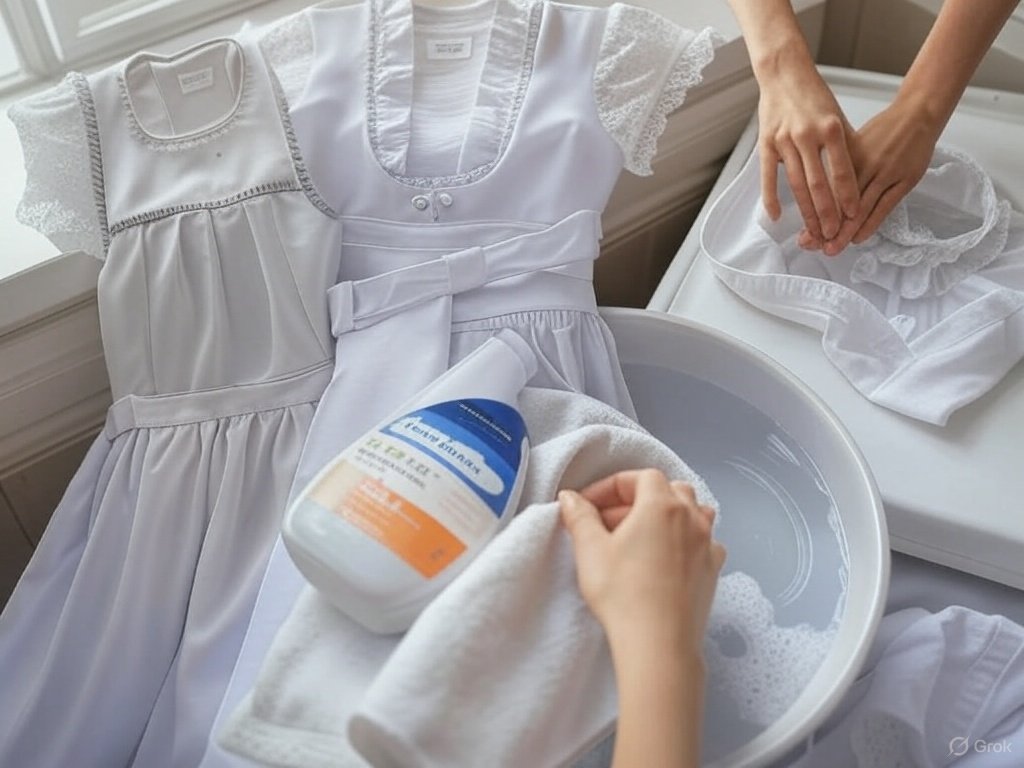
How to Wash Dirndl: Complete Care Guide for Every Fabric Type
Hand-wash cotton and linen dirndls in cold water (15-20°C) with mild pH-neutral detergent designed for delicates, gently agitating for 10-15 minutes without wringing or twisting, then rinse thoroughly and air-dry flat on clean towels away from direct heat or sunlight—while silk, velvet, heavily embroidered, or beaded dirndls require professional dry cleaning exclusively to prevent irreversible damage including shrinkage, color bleeding, embellishment loosening, and texture degradation. The washing method depends entirely on fabric composition: modern cotton-polyester blend dirndls tolerate gentle machine washing in mesh garment bags on delicate cycles, pure silk dirndls must never contact water without professional handling, velvet dirndls lose their characteristic pile texture when wet-washed, and dirndls featuring metallic threads, sequins, or elaborate embroidery risk permanent damage from any home washing attempts. Understanding your dirndl’s specific fabric type (check care labels sewn inside bodice or skirt waistband), recognizing which materials tolerate water versus requiring solvent-based dry cleaning, and following proper temperature, detergent, and handling protocols preserves the garment’s structural integrity, vibrant colors, precise tailoring, and decorative details ensuring your traditional Bavarian dress remains beautiful through years of Oktoberfest celebrations, weddings, and cultural events.
Dirndls represent cherished cultural garments requiring specialized care far exceeding ordinary clothing maintenance. The combination of delicate fabrics, intricate embroidery, structured bodices with boning, and precise tailoring means improper washing causes immediate, often irreversible damage including shrinkage altering fit, color bleeding ruining appearance, embroidery thread loosening, metallic detail tarnishing, and fabric texture degradation. This comprehensive guide provides fabric-specific washing instructions, detailed stain removal techniques, proper drying and storage methods, and troubleshooting solutions ensuring your dirndl receives optimal care whether hand-washing at home or selecting appropriate professional cleaning services.
Understanding Dirndl Fabrics: What You’re Working With
Before attempting any cleaning, identifying your dirndl’s fabric composition determines appropriate washing methods and prevents costly mistakes.
Reading and Understanding Care Labels
Every quality dirndl includes care labels sewn inside the bodice lining, waistband, or side seam providing essential fabric content and cleaning instructions. These labels use international care symbols indicating whether garments tolerate washing, bleaching, tumble drying, ironing, and dry cleaning. A crossed-out washing symbol means dry clean only, while a hand symbol indicates hand-wash only, and numbered dots inside washing symbols specify maximum water temperatures.
Care labels list fabric percentages—”100% Cotton,” “60% Cotton/40% Polyester,” “100% Silk,” “Viscose/Rayon blend”—crucial information determining cleaning approaches. However, vintage dirndls or pieces from smaller makers may lack labels entirely, requiring fabric identification through visual inspection and touch testing.
Common Dirndl Fabric Types and Their Characteristics
Cotton (Baumwolle):
The most common traditional dirndl fabric, cotton offers breathability, durability, and relative washing ease. Pure cotton dirndls tolerate cold water hand-washing when handled gently, though they’re prone to shrinkage if exposed to heat. Cotton accepts color dyes well but may fade with repeated washing or sun exposure. The fabric’s natural fibers benefit from mild, pH-neutral detergents preserving color vibrancy and fiber strength.
Linen (Leinen):
Traditional summer dirndl fabric, linen provides excellent breathability and natural texture. Linen tolerates hand-washing in cool water but wrinkles extensively, requiring careful ironing or steaming afterward. The fabric strengthens when wet but should never be wrung or twisted, as this creates permanent creases. Linen’s tendency to shrink 3-5% during first washing means pre-shrinking before initial wear or accepting slightly looser post-wash fit.
Silk (Seide):
Luxury dirndl fabric requiring extreme care, silk’s delicate protein fibers degrade rapidly when exposed to water, alkaline detergents, or heat. Pure silk dirndls demand professional dry cleaning exclusively—home washing attempts inevitably cause water spotting, color bleeding, fiber weakening, and texture changes. Even “hand-washable silk” claims should be approached cautiously with dirndls, as embroidery threads, linings, and construction methods may not tolerate water despite fabric claims.
Velvet (Samt):
Rich, formal dirndl fabric featuring characteristic pile texture created by raised fiber loops. Velvet absolutely requires professional dry cleaning—water flattens the pile permanently, creating shiny spots and texture loss impossible to restore. Even light water exposure (rain, spills) damages velvet, necessitating immediate professional treatment rather than home remedies.
Cotton-Polyester Blends:
Modern dirndl fabric combining cotton’s breathability with polyester’s durability and wrinkle resistance. Blend percentages affect care requirements—higher cotton content (70%+ cotton) allows gentle hand-washing, while higher polyester content sometimes tolerates careful machine washing. Blends resist shrinkage better than pure cotton but may pill (develop fabric balls) with aggressive washing or rough handling.
Viscose/Rayon:
Semi-synthetic fabric common in budget dirndls, viscose mimics silk’s drape and sheen at lower cost. Despite appearing delicate, many viscose dirndls tolerate gentle hand-washing when manufacturers specifically indicate this on care labels. However, viscose weakens significantly when wet, requiring extremely gentle handling to prevent stretching or tearing. Never wring or twist wet viscose—the fibers may break permanently.
Complete Washing Guide by Fabric Type
Different fabrics demand distinct washing approaches—following fabric-specific instructions prevents damage while ensuring effective cleaning.
Hand-Washing Cotton and Linen Dirndls: Step-by-Step
Cotton and linen dirndls represent the safest home washing candidates when proper techniques are followed meticulously.
Step 1: Preparation and Pre-Treatment
Examine your dirndl thoroughly before washing, checking for loose threads, missing buttons, or embroidery requiring repair—washing exacerbates these issues. Remove all detachable accessories including apron ribbons, decorative pins, removable lacing, and jewelry. Turn the dirndl inside out protecting embroidery, prints, and external fabric from friction and color fading. Pre-treat visible stains using gentle methods detailed in the stain removal section below.
Step 2: Preparing the Washing Solution
Fill a clean basin, bathtub, or large sink with cold water (15-20°C maximum—test with your hand; water should feel cool, never warm). Add 1-2 tablespoons of mild, pH-neutral detergent specifically formulated for delicates—products marketed for wool, silk, or baby clothes work well. Avoid regular laundry detergents containing enzymes, brighteners, or harsh surfactants damaging natural fibers. Stir water gently creating even detergent distribution without excess suds.
Step 3: Soaking Process
Submerge the dirndl completely, ensuring all fabric areas contact water. Press gently underwater releasing air pockets trapped in gathered skirts or bodice structure. Allow soaking for 10-15 minutes maximum—extended soaking (30+ minutes) increases dye bleeding risk and doesn’t improve cleaning effectiveness. During soaking, very gently move the dirndl occasionally ensuring water circulates through all fabric layers.
Step 4: Gentle Agitation and Cleaning
After soaking, use your hands to gently squeeze and release the fabric underwater, working from top to bottom. Focus on areas prone to soiling—underarm areas of attached blouses, hem edges, bodice interior where it contacts skin. Never scrub, wring, or twist—these actions distort fabric structure and damage embroidery. For stubborn soiled areas, gently rub fabric against itself (not against basin surfaces) using soft squeezing motions.
Step 5: Thorough Rinsing
Drain soapy water completely. Refill basin with clean, cold water and gently move dirndl through rinse water releasing trapped detergent. Drain and repeat rinsing 2-3 times until water runs completely clear and no soap residue remains when you squeeze fabric gently. Incomplete rinsing leaves detergent attracting dirt, stiffening fabric, and potentially irritating skin during wear.
Step 6: Water Removal Without Damage
Never wring or twist wet dirndls—this permanently distorts shape and damages construction. Instead, gently press fabric between your hands while supporting the garment’s weight, releasing excess water. Alternatively, lay the wet dirndl flat on a clean, dry bath towel, roll the towel and dirndl together gently (like a sleeping bag), and press the roll releasing water into the towel. This method removes significant moisture without harmful twisting or stretching.
Dry Cleaning: When Professional Care Is Essential
Certain dirndl types require professional dry cleaning without exception, regardless of washing skill or care level.
Mandatory Dry Clean Fabrics:
Pure silk dirndls, velvet in any form (cotton velvet, silk velvet, synthetic velvet), heavily embroidered pieces with metallic threads, dirndls featuring extensive beadwork or sequins, garments with leather or suede details, pieces combining multiple fabric types (bodice in one fabric, skirt in another), and any dirndl labeled “Dry Clean Only” must visit professional cleaners. Attempting home washing causes irreversible damage including shrinkage, color loss, embellishment damage, and structural distortion.
Selecting Quality Dry Cleaners:
Not all dry cleaners possess expertise handling traditional dirndls. Seek cleaners experienced with formal wear, bridal gowns, or ethnic/cultural garments requiring specialized knowledge. When dropping off your dirndl, point out specific concerns—delicate lace areas, loose embroidery, vintage fabric fragility—ensuring staff notes these for careful handling. Ask about their process for handling embellishments and whether they use protective bags for beaded or sequined areas.
Dry Cleaning Costs and Frequency:
Professional dirndl dry cleaning typically costs €15-€40 depending on garment complexity, embellishment extent, and regional pricing. Budget dirndls with minimal detail cost less (€15-€20), while elaborate silk or heavily beaded pieces requiring extensive hand-finishing cost more (€30-€40). Clean dirndls after each wearing if heavily soiled (food stains, beer spills, excessive sweat) or every 2-3 wearings for light use with spot-cleaning between full cleanings. For comprehensive guidance on selecting quality dirndls worth proper care investment, see our guide on 6 reasons why dirndl dresses are expensive explaining how superior materials and construction justify maintenance costs.
Machine Washing: Extremely Limited Circumstances Only
Machine washing dirndls should occur only under very specific, limited circumstances with maximum precautions.
When Machine Washing Might Be Acceptable:
Only modern, casual dirndls specifically labeled “machine washable” made from durable cotton-polyester blends (60%+ polyester) without delicate embroidery, beading, or embellishments qualify for machine washing consideration. Even with appropriate fabric, bodice boning, metal hooks, and structured construction make machine washing risky. If attempting machine washing despite risks, use these non-negotiable precautions.
Required Precautions:
Place dirndl inside a large mesh garment bag (lingerie bag) protecting fabric from agitator friction and preventing tangling with other items. Wash the dirndl alone or with similarly colored, delicate items only—never with heavy items like jeans or towels creating excessive agitation. Select the gentlest cycle available (often labeled “delicate,” “hand wash,” or “wool”) with cold water exclusively. Use minimal mild detergent (half normal amount) and skip fabric softeners entirely—they coat fibers reducing breathability and potentially damaging embroidery.
Post-Machine Wash Inspection:
Immediately upon cycle completion, remove the dirndl and inspect for damage—loose threads, stretched fabric, color bleeding, or shifted embroidery. If damage appears, avoid repeating machine washing. Even successful machine washing accelerates wear compared to hand-washing, so reserve this method for truly casual dirndls you’re willing to replace if damaged.
Comprehensive Stain Removal Guide
Common dirndl stains require specific treatments for effective removal without fabric damage.
Stain Treatment Chart by Type
| Stain Type | Immediate Action | Home Treatment | Products Needed | Success Rate |
| Beer | Blot immediately, don’t rub | Soak in cold water 15 min, wash normally | Cold water, mild detergent | 95% if fresh |
| Red Wine | Blot, apply salt to absorb | Rinse with cold water, use white wine or club soda | Salt, cold water, white wine | 70-80% if immediate |
| Food Grease | Blot excess, avoid water initially | Apply cornstarch/talc to absorb, then wash | Cornstarch, grease-cutting detergent | 85% with pre-treatment |
| Makeup | Don’t spread, blot gently | Pre-treat with makeup remover on cloth, wash | Gentle makeup remover, mild soap | 90% on cotton |
| Sweat/Body Oils | Air out immediately | Pre-soak in cold water with white vinegar | White vinegar, enzyme detergent | 95% |
| Grass | Brush off dried residue | Apply rubbing alcohol to cloth, dab stain | Rubbing alcohol, mild detergent | 75-85% |
| Chocolate | Scrape off excess carefully | Soak in cold water, apply detergent directly | Cold water, liquid detergent | 80-90% |
| Mud | Let dry completely first | Brush off dried mud, then cold water wash | Soft brush, cold water | 95% when dried first |
Beer Stain Removal (Most Common Oktoberfest Issue)
Beer stains are inevitable during Oktoberfest celebrations but relatively easy to remove when addressed promptly.
Immediate Response:
The moment beer spills on your dirndl, blot (don’t rub) the area with clean napkins, paper towels, or cloth absorbing as much liquid as possible before it sets. Rubbing spreads the stain deeper into fibers and increases the affected area. If possible, hold clean absorbent material against the stain from both sides (front and back of fabric) applying gentle pressure.
Fresh Beer Stain Treatment:
Within 1-2 hours of the spill, rinse the stained area under cold running water from the reverse side (inside of fabric), pushing beer residue out rather than deeper into fibers. Apply a small amount of mild liquid detergent directly to the stain, gently working it in with your fingertips using circular motions. Let sit 5-10 minutes, then rinse thoroughly with cold water. Repeat if necessary before full washing.
Set Beer Stain Treatment:
For beer stains discovered hours or days later, pre-soak the entire garment or affected section in cold water with 2 tablespoons of white vinegar added per liter of water. Soak 30 minutes, then proceed with regular hand-washing as described above. The vinegar’s acidity helps break down beer’s sugars and proteins without damaging fabric.
Grease and Food Oil Stain Removal
Food-based grease stains from traditional Oktoberfest meals (roasted chicken, sausages, fried foods) require different treatment than water-based stains.
Absorption Method:
Before applying water (which sets grease stains), absorb as much oil as possible using dry materials. Sprinkle generous amounts of cornstarch, talcum powder, or baking soda directly onto fresh grease stains. Let powder sit 15-30 minutes absorbing oil, then brush off gently with a soft brush. Repeat with fresh powder until no additional oil appears absorbed.
Detergent Pre-Treatment:
After absorbing excess grease, apply undiluted liquid dish detergent (designed to cut grease) directly to the stain. Gently work detergent into fabric using fingertips, creating a light lather. Let sit 15-20 minutes allowing detergent to penetrate oil molecules. Rinse with warm (not hot) water from the stain’s reverse side, then proceed with normal cold water hand-washing.
Makeup and Cosmetic Stain Removal
Foundation, lipstick, and other makeup transfer onto dirndl bodices and necklines requires careful solvent-based treatment.
Gentle Makeup Remover Application:
Apply small amounts of oil-free makeup remover or micellar water to a clean white cloth (never directly to the dirndl fabric, which might create new stains). Gently dab the makeup-stained area working from outside edges toward the center, preventing stain spreading. Replace dirty cloth areas frequently, using fresh sections to avoid redepositing removed makeup.
Follow-Up Washing:
After makeup appears lifted, treat the area with mild liquid detergent as described in grease removal section, as makeup contains oils requiring detergent breakdown. Rinse thoroughly and wash the entire garment to ensure even cleaning without visible treatment rings around former stain areas.
Proper Drying Techniques Preventing Damage
Correct drying proves as crucial as proper washing—heat and improper handling during drying cause most permanent dirndl damage.
Air-Drying: The Only Safe Method
Flat Drying for Delicate Fabrics:
The safest drying method involves laying dirndls completely flat on clean, dry towels spread across a flat surface (bed, table, clean floor). Reshape the dirndl to its original silhouette while wet, smoothing gathered skirts, straightening bodice seams, and arranging sleeves naturally. Change towels underneath when they become saturated (typically after 2-4 hours), replacing with dry towels to continue moisture absorption. Full drying takes 24-48 hours depending on fabric thickness and humidity levels.
Padded Hanger Drying:
For less delicate cotton or cotton-blend dirndls, hanging on well-padded hangers (wood covered with towel padding or velvet) allows gravity-assisted drying while maintaining shape. Never use wire hangers—they create shoulder dimples and don’t provide adequate support for wet garment weight. Hang in well-ventilated areas away from direct sunlight, heating vents, or radiators. Support heavier skirt portions with additional hangers or clips preventing stretching from concentrated weight on bodice.
Location and Environment:
Dry dirndls indoors in well-ventilated, temperate rooms (18-22°C ideal). Avoid outdoor drying where sun fades colors, wind tangles fabric, and pollen/dust settles on damp surfaces. Never place near heat sources—radiators, space heaters, sunny windows, heating vents—as concentrated heat causes shrinkage, color fading, and fiber damage. Good air circulation speeds drying without heat damage; using fans (not directly blowing on dirndl but circulating room air) helps in humid conditions.
Drying Time Expectations:
Lightweight cotton dirndls dry in 24-36 hours when flat-dried indoors. Heavier fabrics (thick cotton, linen, cotton-blend) require 36-48 hours. Humid climates or winter indoor conditions may extend drying to 48-72 hours. Never rush drying with heat—patience preserves your dirndl’s quality far better than speed.
What Never to Do When Drying Dirndls
Tumble Dryer:
Never, under any circumstances, place dirndls in tumble dryers. The combination of heat and tumbling action causes severe shrinkage (5-15% size reduction), color fading, fabric distortion, embroidery damage, and structural collapse. Even “low heat” or “air dry” dryer settings create too much agitation for delicate construction. This single mistake ruins dirndls permanently.
Direct Sunlight:
While outdoor drying seems appealing, direct sunlight bleaches fabric colors remarkably quickly—a few hours of bright sun exposure creates visible fading, particularly on darker colors (navy, burgundy, black, forest green). If outdoor drying is necessary, choose completely shaded areas with good air circulation.
Radiators and Heat Sources:
Draping wet dirndls over radiators, space heaters, or heating vents creates localized extreme heat causing shrinkage, scorching, color changes, and fabric weakening. The uneven heat distribution creates permanent distortions where heated areas shrink while cooler areas maintain size.
Ironing and Steaming: Achieving Crisp Presentation
Proper ironing or steaming restores dirndls to crisp, professional presentation after washing and drying.
Ironing Temperature Guide by Fabric
| Fabric Type | Iron Setting | Steam Setting | Protective Measures | Special Notes |
| Cotton | Medium-High (150-180°C) | Steam ON | Press cloth optional | Iron while slightly damp for easier wrinkle removal |
| Linen | High (180-200°C) | Steam ON | Iron inside out | Linen wrinkles easily; requires highest safe heat |
| Silk | Low (110-130°C) | Steam OFF or very light | Always use press cloth | Test on hidden seam first; can water-spot |
| Velvet | DO NOT IRON | Steam only, hover iron | Never touch fabric | Use steamer or iron steam from 1 inch distance |
| Polyester Blend | Low-Medium (120-150°C) | Steam optional | Iron inside out | Can melt with excessive heat |
| Embroidery/Beading | DO NOT IRON | Steam carefully from reverse | Place towel under embroidery | Iron surrounding fabric only |
Step-by-Step Ironing Process
Preparation:
Set up ironing board in well-lit area with adequate space for large skirt spreading. Fill iron with distilled water (prevents mineral deposits clogging steam vents). Set temperature according to fabric type and allow iron to reach full heat (typically 2-3 minutes). Always test iron temperature on inconspicuous area (inside bodice lining, interior waistband) before ironing visible surfaces.
Bodice Ironing:
Turn bodice inside out protecting exterior fabric and embroidery from direct heat exposure. Iron bodice lining first, working from top to bottom with smooth, even strokes following fabric grain. Pay special attention to darts, seams, and structured areas. If bodice includes boning, iron carefully around (not directly over) boned channels—excessive heat can warp plastic boning or melt synthetic materials.
Skirt Ironing:
Work in sections, ironing skirt from waistband downward. For gathered skirts, arrange small sections flat on ironing board, iron smooth, then rotate to next section. Use iron’s point for pressing between gathers and pleats. For dirndls with multiple skirt layers or petticoats, iron each layer separately ensuring thorough wrinkle removal.
Final Details:
After completing main ironing, turn dirndl right-side out and lightly steam any remaining wrinkles using iron’s steam function held 1-2 inches from fabric. Check all seams, edges, and transition points ensuring complete wrinkle removal. Allow dirndl to cool completely on hanger (15-20 minutes) before wearing or storing—wearing immediately after ironing can create new wrinkles from body heat and movement.
Steaming as Alternative to Ironing
When to Choose Steaming:
Steaming works excellently for delicate fabrics (silk, velvet, heavily embroidered areas) where direct iron contact risks damage. It also suits wrinkle touch-ups between wearings when full ironing seems excessive. Steaming refreshes fabric appearance, removes minor wrinkles, and sanitizes gently without physical pressure potentially damaging embellishments.
Steaming Technique:
Hang dirndl on padded hanger in bathroom or designated steaming area. Hold garment steamer (or iron on steam setting hovering 1-2 inches from fabric) moving slowly down fabric in vertical strokes. Allow steam to penetrate fibers without touching fabric surface. For stubborn wrinkles, hold steam on the area 3-5 seconds, then gently smooth with hands while still warm and pliable. Work from top to bottom preventing water droplets from steaming upper sections dripping onto lower areas.
Long-Term Storage: Protecting Your Investment
Proper storage between wearings prevents damage, maintains freshness, and extends dirndl lifespan significantly.
Immediate Post-Wearing Care
Airing Out:
After wearing, immediately air out your dirndl before storage. Hang in well-ventilated area (not in closet yet) for 24-48 hours allowing moisture from body heat and perspiration to evaporate completely. This prevents musty odors, mildew growth, and fabric degradation from trapped moisture.
Spot Cleaning:
Address any visible stains, spills, or soiled areas immediately rather than waiting until next full washing. Fresh stains remove far more easily than set stains discovered months later before next wearing. Use appropriate spot-cleaning methods from stain removal section above.
Inspection:
Examine dirndl thoroughly for damage needing repair before storage—loose buttons, torn seams, pulling embroidery, missing hooks. Address repairs immediately rather than discovering issues when dressing for the next event.
Storage Methods and Location
Hanging vs. Folding:
Lightweight cotton dirndls store well on padded hangers in breathable garment bags protecting from dust while allowing air circulation. Heavy dirndls (velvet, thick fabrics, heavily embellished) store better folded flat in acid-free tissue paper preventing hanger-induced stretching from concentrated weight on shoulders. Never use plastic dry cleaning bags for long-term storage—they trap moisture creating mildew conditions.
Optimal Storage Environment:
Store dirndls in cool, dry, dark locations away from temperature extremes, humidity fluctuations, and direct light exposure. Ideal storage temperatures range 15-20°C with 40-50% relative humidity. Avoid attics (temperature extremes), basements (excess moisture), garages (temperature/humidity swings), or exterior closets on non-insulated walls.
Moth and Pest Protection:
Natural fibers (cotton, linen, silk) attract clothes moths and other fabric pests. Protect stored dirndls using cedar blocks, lavender sachets, or moth-repellent strips (avoid direct contact with fabric—place in storage container or garment bag pocket). Inspect stored dirndls every 3-4 months for pest damage signs (small holes, silk webbing, larvae) and refresh pest deterrents.
Seasonal Storage Preparation
Post-Oktoberfest Storage:
After Oktoberfest season concludes, thoroughly clean dirndls before long-term storage (6-9 months until next season). Even invisible soil, body oils, and perspiration attract pests and cause gradual fabric degradation during storage. Ensure complete drying after cleaning—storing even slightly damp garments invites mildew disasters.
Winter Storage Considerations:
For those storing dirndls during winter months, consider climate-controlled storage or using humidity control packets (silica gel packets) in storage containers preventing moisture accumulation. Winter humidity fluctuations from heating systems create condensation issues potentially damaging stored fabrics.
Understanding how fabric choices and construction methods affect long-term care needs helps when purchasing new dirndls. Our guide on how to make a dirndl dress explains construction techniques influencing washing requirements and care complexity.
Washing Frequency: How Often Should You Clean Your Dirndl?
Usage-Based Washing Schedule
| Wearing Frequency | Recommended Washing Schedule | Between-Wash Care |
| Single annual wearing (e.g., once per Oktoberfest) | Wash after wearing if soiled; otherwise every 2-3 wearings | Air out 24-48 hours, spot clean as needed |
| 2-3 times per season | Wash after every wearing if actively used (dancing, eating); otherwise every 2 wearings | Thorough airing between uses, odor check |
| Weekly/frequent wear | Wash after each wearing (daily wearers need 2+ dirndls for rotation) | Daily airing essential, spot clean immediately |
| Special occasions only (weddings, formal events) | Professionally clean after each wearing for pristine presentation | Store carefully between rare uses |
Spot Cleaning Between Full Washes
Many dirndl wearings don’t require full washing—spot cleaning specific areas extends time between complete cleanings while maintaining fresh appearance.
High-Soil Areas Requiring Attention:
Underarm areas (if dirndl includes attached blouse or you wear without underlayer), bodice interior where it contacts skin, hem bottoms contacting floors, and neckline areas touching skin, hair, and makeup accumulate soil fastest. Spot clean these zones with damp cloth and tiny amounts of mild detergent, then rinse with clean damp cloth removing detergent residue.
Odor Management Without Full Washing:
Fabric refresher sprays formulated for delicates help manage odors between washings. Alternatively, hang dirndls outdoors in fresh air (shaded area) for several hours—natural air circulation removes many odors without washing. Avoid perfume or strong-scented products masking rather than removing odors; these accumulate in fabric over time creating unpleasant layered scents.
Troubleshooting: Fixing Common Washing Mistakes
Even careful washers occasionally make mistakes—quick action minimizes damage from washing errors.
Mild Shrinkage (1-2% size reduction):
While fabric is still damp from washing, gently stretch it back toward original dimensions. Work slowly and evenly, pulling from multiple directions (not just length or width). Pin stretched fabric to blocking board or flat surface maintaining desired measurements until completely dry. This method recovers 50-75% of mild shrinkage.
Significant Shrinkage (3-5%+ reduction):
Major shrinkage from hot water or dryer exposure is difficult to reverse. Try soaking shrunken dirndl in room temperature water mixed with hair conditioner (2 tablespoons per liter)—conditioner relaxes fibers allowing gentle stretching. Soak 15 minutes, then stretch as described above. Success rates vary; prevention through proper washing remains far better than shrinkage correction.
Addressing Color Bleeding
Fresh Color Bleeding:
If you notice color bleeding during washing (water turns colored, light areas show dye transfer), immediately rinse the garment under cold running water until water runs clear. Separate any items washed together showing dye transfer. For cotton dirndls, soaking in cold water with white vinegar (1/4 cup per liter) helps set remaining dye preventing further bleeding in future washes.
Set-In Dye Transfer:
Dye transfer noticed after drying proves much harder to remove. Commercial color-run removers designed for laundry sometimes help but risk additional damage to delicate dirndl fabrics. Professional dry cleaners have stronger chemical treatments potentially removing dye transfer—consult them for expensive or precious dirndls rather than attempting aggressive home treatments.
Removing Detergent Residue
Symptoms:
Stiff, crunchy fabric texture, visible white streaks or spots on dark fabrics, skin irritation when wearing, and soap scent lingering after drying all indicate inadequate rinsing left detergent residue in fabric.
Resolution:
Rinse the dirndl again in clean, cold water—multiple rinse cycles (4-6 water changes) remove stubborn residue. Adding 1/4 cup white vinegar to final rinse water helps dissolve alkaline detergent deposits. Ensure complete rinsing by squeezing fabric gently during each rinse—if bubbles or suds appear, more rinsing remains necessary.
Care for Dirndl Components: Blouses, Aprons, and Accessories
Complete dirndl outfits include multiple components requiring individual care considerations.
Dirndl Blouse Washing
Fabric Considerations:
Most dirndl blouses use cotton, cotton-lace combinations, or synthetic materials more forgiving than bodice fabrics. Many blouses tolerate gentle machine washing in garment bags, though hand-washing remains safest for lace-heavy or antique blouses.
Washing Process:
Treat blouses similarly to cotton dirndls—cold water, mild detergent, gentle agitation. Pay special attention to collar and cuff areas accumulating skin oils, makeup, and perspiration. Pre-treat these high-soil areas with detergent before full washing. For blouses with extensive lace, hand-wash exclusively avoiding machine agitation that snags delicate threads.
Drying and Ironing:
Air-dry blouses flat or on padded hangers. Iron cotton blouses on medium heat while slightly damp for easiest wrinkle removal. For lace sections, iron on low heat using press cloth or steam only to prevent melting synthetic lace fibers or scorching delicate cotton lace. Understanding proper undergarment selection helps protect blouses from body oils and perspiration—see our guide on what bra to wear with a dirndl for foundation garment advice minimizing blouse soiling.
Apron Care and Cleaning
Apron Fabric Variety:
Aprons range from simple cotton to elaborate silk, satin, or heavily embroidered pieces. Care requirements depend entirely on apron construction and materials—consult care labels or assess fabric type before washing.
Cotton Aprons:
Wash cotton aprons with their matching dirndls using identical methods. Iron aprons flat achieving crisp appearance essential to proper dirndl presentation. Light starch (spray starch applied during ironing) creates professional crispness for formal occasions.
Silk and Delicate Aprons:
Expensive silk, satin, or embroidered aprons require dry cleaning matching their base dirndl care. Never attempt home washing on aprons featuring metallic threads, sequins, or elaborate embellishments—professional cleaning prevents permanent damage.
Lacing, Ribbons, and Removable Trim
Removal Before Washing:
Always remove detachable ribbons, lacing, decorative pins, and accessories before washing dirndls. These items tangle, fade differently than main fabric, or contain elements (metal, plastic, embellishments) incompatible with washing.
Cleaning Removable Elements:
Hand-wash cotton ribbons and laces separately in small amounts of cold water with mild detergent. Dry flat preventing shrinkage or distortion. Silk ribbons require dry cleaning. Metal accessories (pins, brooches, chains) wipe clean with damp cloth—avoid submerging in water causing tarnish or rust.
Finding Qualified Dry Cleaners
What to Look For:
Seek dry cleaners with formal wear experience (bridal gowns, evening wear, cultural garments). Ask specifically about their process for handling embellishments—quality cleaners use protective netting bags for beaded areas and hand-finish delicate details. Avoid budget chain cleaners offering €5-€10 cleaning rates—they use automated processes inappropriate for delicate dirndls.
For those investing in quality dirndls worth professional care, understanding what makes these garments valuable helps justify maintenance costs—our article on how to buy a dirndl explains quality markers indicating pieces worth significant care investment.
Frequently Asked Questions About Washing Dirndls
Can you wash a dirndl in the washing machine?
Most dirndls should NOT be machine washed due to delicate fabrics, structured bodices with boning, and intricate embroidery or embellishments that suffer damage from machine agitation. However, very specific exceptions exist: modern, casual cotton-polyester blend dirndls (60%+ polyester) with “machine washable” care labels and minimal embellishment might tolerate gentle machine washing when placed inside mesh garment bags, washed on delicate cycles with cold water and mild detergent, and washed alone without heavy items. Even meeting these criteria, machine washing accelerates wear and increases damage risk compared to hand-washing. Traditional dirndls made from cotton, linen, silk, velvet, or featuring embroidery, beading, or multiple fabric types require hand-washing or professional dry cleaning exclusively to preserve their quality, fit, and appearance through years of use.
How do you clean a traditional dirndl?
Clean traditional dirndls based on fabric type: cotton and linen dirndls hand-wash in cold water (15-20°C) using mild, pH-neutral detergent, gently agitating 10-15 minutes without wringing or twisting, then rinsing thoroughly 2-3 times until water runs completely clear and air-drying flat on clean towels away from direct heat or sunlight. Silk, velvet, heavily embroidered, or beaded dirndls require professional dry cleaning exclusively—attempting home washing causes irreversible damage including shrinkage, color bleeding, texture loss, and embellishment damage. Before washing, always check care labels inside bodice or waistband, remove detachable accessories (ribbons, pins, aprons), turn dirndls inside out protecting exterior fabric and embroidery, pre-treat visible stains, and ensure complete drying (24-48 hours typically) before storage preventing mildew or odor development. Understanding traditional dirndl construction helps determine appropriate care—see how to wear a dirndl for guidance on garment components and how they’re assembled.
Can dirndls be dry cleaned?
Yes, many dirndls should be dry cleaned rather than washed at home, particularly those made from silk, velvet, wool, or featuring heavy embroidery, beadwork, sequins, metallic threads, or mixed fabric construction (different fabrics in bodice vs. skirt). Professional dry cleaning uses solvent-based cleaning preventing water-related damage (shrinkage, color bleeding, texture changes) while effectively removing soil and oils. Dry cleaning typically costs €15-€40 depending on garment complexity and regional pricing—basic cotton dirndls with minimal detail cost less (€15-€20) while elaborate silk or heavily beaded pieces requiring hand-finishing cost more (€30-€40). Select experienced dry cleaners familiar with formal wear, bridal gowns, or cultural garments rather than budget chains using automated processes. When dropping off dirndls, point out delicate areas, loose embroidery, or vintage fabric requiring special care ensuring cleaners note these for gentle handling. Clean dirndls after each wearing if heavily soiled or every 2-3 wearings for light use with spot-cleaning between full cleanings.
How often should you wash a dirndl?
Wash dirndls based on usage frequency and soil level: dirndls worn once annually (single Oktoberfest attendance) require washing after wearing if visibly soiled or showing stains, otherwise every 2-3 wearings suffice with thorough airing and spot-cleaning between washes. Dirndls worn 2-3 times per season wash after every wearing if actively used (dancing, eating, outdoor activities) or every 2 wearings for less active use. Weekly or frequently worn dirndls require washing after each use—daily wearers should own 2+ dirndls enabling rotation while laundering. Between full washings, spot-clean high-soil areas (underarms, bodice interior, hem, neckline) using damp cloth with minimal mild detergent, then rinse with clean damp cloth removing residue. Air dirndls thoroughly 24-48 hours after each wearing before storage, allowing body moisture and perspiration to evaporate completely preventing musty odors and mildew growth. Proper between-wash care extends time between full cleanings while maintaining fresh appearance and fabric integrity.
How do you get beer stains out of a dirndl?
Remove beer stains immediately by blotting (never rubbing) spilled beer with clean napkins or cloth absorbing liquid before it sets into fabric. Within 1-2 hours, rinse the stained area from reverse side (inside of fabric) under cold running water pushing residue out rather than deeper into fibers, apply small amount of mild liquid detergent directly to stain working gently with fingertips, let sit 5-10 minutes, rinse thoroughly, and repeat if necessary before full washing. For beer stains discovered hours or days later (set stains), pre-soak affected area or entire garment in cold water with 2 tablespoons white vinegar per liter of water for 30 minutes—vinegar’s acidity breaks down beer’s sugars and proteins without fabric damage—then proceed with regular hand-washing. Beer stains show 95% success rate when treated fresh but become progressively harder to remove as they oxidize and set over hours and days. Never apply heat (hot water, dryers, irons) to beer-stained areas before complete stain removal—heat permanently sets protein-based stains making them impossible to remove.
Can you iron a dirndl?
Yes, most dirndls can and should be ironed after washing to restore crisp, professional presentation, though iron temperature and technique vary dramatically by fabric type. Cotton dirndls iron on medium-high heat (150-180°C) with steam, ideally while fabric remains slightly damp for easier wrinkle removal. Linen requires high heat (180-200°C) with steam but irons more effectively from reverse side (inside out). Silk demands low heat (110-130°C) without steam or very light steam, always using protective press cloth and testing on hidden areas first to prevent water spotting or heat damage. Velvet should never be ironed directly—use garment steamer or hold steam iron 1 inch from fabric without touching surface, as direct contact permanently flattens velvet pile creating shiny spots. Polyester blends require low-medium heat (120-150°C) as excessive heat melts synthetic fibers. Always iron dirndls inside out protecting exterior fabric and embroidery, work in sections from bodice to skirt, use iron point for pressing between gathers and pleats, and allow complete cooling on hanger 15-20 minutes before wearing or storing.
How do you store a dirndl after washing?
Store dirndls after washing by first ensuring complete drying (24-48 hours typically)—storing even slightly damp garments invites mildew disasters. Air out dirndls 24-48 hours in well-ventilated areas after wearing before storage, allowing body moisture and perspiration to evaporate completely. Address any stains, spills, or soiled areas immediately through spot-cleaning or full washing rather than storing soiled garments where stains set permanently and soil attracts fabric pests. Store lightweight cotton dirndls on well-padded hangers (wood with towel padding or velvet coating) inside breathable garment bags protecting from dust while allowing air circulation—never use plastic dry cleaning bags trapping moisture. Heavy dirndls (velvet, thick fabrics, heavily embellished) store better folded flat wrapped in acid-free tissue paper preventing hanger-induced stretching from concentrated weight on shoulders. Optimal storage locations are cool, dry, dark areas (15-20°C, 40-50% humidity) away from temperature extremes, humidity fluctuations, and light exposure. Protect from clothes moths using cedar blocks, lavender sachets, or moth-repellent strips, inspecting stored dirndls every 3-4 months for pest damage.
What detergent is best for washing dirndls?
The best detergents for washing dirndls are mild, pH-neutral formulas specifically designed for delicate fabrics, wool, silk, or baby clothes containing no harsh enzymes, brighteners, bleach, or aggressive surfactants that damage natural fibers and fade colors. Recommended products include Woolite Delicates, Eucalan Delicate Wash, The Laundress Delicate Wash, heritage Clean Delicate Wash, or similar gentle formulations available at fabric stores, specialty retailers, or online. Use minimal amounts—1-2 tablespoons per basin of water—as excessive detergent creates rinsing difficulty and residue buildup attracting dirt and stiffening fabric. Avoid regular laundry detergents (Tide, Persil, Ariel) designed for heavily soiled everyday clothing—their enzyme content and alkaline pH levels degrade delicate dirndl fabrics over time. Never use bleach, fabric softeners, or stain removers with bleach alternatives on dirndls—these chemicals cause permanent color fading, fabric weakening, and embroidery damage. For those making investment in quality traditional attire worth proper care, explore authentic Bavarian dirndl dresses understanding how superior materials demand appropriate maintenance products.
How long does it take to dry a dirndl?
Dirndls require 24-48 hours for complete air-drying when laid flat indoors in temperate, well-ventilated environments. Lightweight cotton dirndls typically dry in 24-36 hours, while heavier fabrics (thick cotton, linen, cotton-polyester blends) require 36-48 hours. Extremely humid climates, winter indoor conditions with limited ventilation, or particularly thick/heavily gathered dirndls may extend drying to 48-72 hours. Speed drying by laying dirndls flat on clean, dry towels and changing saturated towels underneath every 2-4 hours, replacing with fresh dry towels continuing moisture absorption. Good air circulation (using fans to circulate room air, not blowing directly on dirndl) accelerates drying without damaging heat. Never rush drying using heat sources (tumble dryers, radiators, space heaters, sunny windows, heating vents)—concentrated heat causes severe shrinkage (5-15% size reduction), color fading, fabric distortion, and permanent damage. Patience during proper air-drying preserves dirndl quality far better than rushed heat-drying risking irreversible damage to cherished traditional garments.
Can you remove wrinkles from a dirndl without ironing?
Yes, remove wrinkles from dirndls without ironing using garment steamers or bathroom steam methods particularly effective for delicate fabrics like silk, velvet, or heavily embroidered areas where direct iron contact risks damage. Hang dirndl on padded hanger and use handheld garment steamer moving slowly down fabric in vertical strokes, holding steam head 1-2 inches from fabric without touching surface. For stubborn wrinkles, hold steam on area 3-5 seconds then gently smooth with hands while fabric remains warm and pliable. Alternatively, hang dirndl in bathroom during hot shower allowing steam to fill room and penetrate fabric—this passive steaming removes minor wrinkles accumulated during storage. For cotton and linen dirndls, light misting with water from spray bottle followed by reshaping and air-drying removes wrinkles naturally without heat or pressure. However, crisp, professional presentation for formal occasions typically requires proper ironing or professional pressing—steaming alone creates relaxed, natural appearance rather than sharp, precise finish expected at weddings or formal Oktoberfest events.
How do you wash a silk dirndl?
Silk dirndls should NOT be washed at home under any circumstances—they require professional dry cleaning exclusively to prevent irreversible damage. Silk’s delicate protein fibers degrade rapidly when exposed to water, alkaline detergents, agitation, or heat causing water spotting, color bleeding, texture changes, shrinkage, and fiber weakening that cannot be reversed. Even products labeled “hand-washable silk” should be approached with extreme caution on dirndls because embroidery threads, linings, interfacing, and construction methods may not tolerate water despite fabric manufacturer claims. Take silk dirndls to experienced professional dry cleaners familiar with formal wear, bridal gowns, or cultural garments requiring specialized handling. When dropping off, specify the silk fabric and point out delicate embroidery, vintage construction, or color bleeding concerns ensuring cleaners use appropriate solvents and gentle handling. Professional dry cleaning for silk dirndls typically costs €25-€40 depending on embellishment extent and regional pricing—expensive but essential investment protecting valuable garments potentially worth €200-€800 requiring proper care maintaining their beauty and longevity.
Should you wash a dirndl before wearing it the first time?
Whether to wash new dirndls before first wearing depends on fabric type, quality level, and personal sensitivity. High-quality dirndls from reputable manufacturers undergo quality control and arrive clean without requiring pre-washing—wearing immediately is perfectly acceptable. However, some people prefer washing new garments removing manufacturing residues (sizing chemicals, dye excess, handling from production/shipping). If pre-washing seems advisable, follow fabric-appropriate methods: hand-wash cotton or linen dirndls in cold water with mild detergent ensuring thorough rinsing, or have silk, velvet, or heavily embellished pieces professionally dry cleaned. Pre-washing allows verifying colorfastness (checking if dyes bleed), confirming care label accuracy, and ensuring proper fit after any potential shrinkage before important events where unexpected size changes would be disastrous. For budget dirndls or pieces from unknown manufacturers, pre-washing proves particularly wise identifying potential quality issues (excessive dye bleeding, poor construction, unexpected shrinkage) before wearing publicly. Quality traditional attire from established makers rarely requires pre-washing—explore ladies Oktoberfest dress collections from reputable sources producing garments ready for immediate wear.
For those building complete traditional wardrobes requiring coordinated care, understanding seasonal considerations helps—see our guide on 8 things you must wear with dirndl in winter explaining how layering and seasonal accessories affect overall outfit maintenance needs.

Anna Bauer is a seasoned Bavarian fashion expert, cultural consultant, and heritage stylist with over a decade of hands-on experience in traditional German clothing. Born in Munich, the heart of Bavaria, Anna grew up surrounded by the rich traditions of Trachten fashion. Her passion for cultural attire led her to pursue a degree in Fashion and Textile Design at the prestigious University of the Arts Berlin, where she specialized in European folkwear.
Over the past 12+ years, Anna has collaborated with renowned Trachten designers, styled outfits for Oktoberfest events across Germany, and contributed articles to top fashion and culture magazines across Europe. Her work focuses on preserving the authenticity of Lederhosen and Dirndl wear while helping modern audiences style them with confidence and flair.
As the lead content contributor for German Attire, Anna combines her academic background, professional styling experience, and deep cultural roots to provide readers with valuable insights into traditional German fashion. Her blog posts cover everything from historical origins and styling guides to care tips and festival outfit planning—making her a trusted voice for anyone looking to embrace Bavarian heritage in a stylish, modern way.