Get 5% Off – Use promo code German Attire

Oktoberfest Munich 2026: Duration, Travel Packages & Why It’s Worth the Trip
Oktoberfest Munich 2026: Duration, Travel Packages & Why It’s Worth the Trip
Oktoberfest Munich 2026 runs from Saturday, September 19 to Sunday, October 4, 2026, lasting 16 days on the Theresienwiese festival grounds. Travel packages range from budget options at €300-€500 (basic accommodation and tent reservation) to all-inclusive experiences at €800-€1,500, and premium VIP packages exceeding €2,000 per person. Yes, Oktoberfest is absolutely worth visiting in 2026—it’s the world’s largest beer festival attracting over 6 million visitors annually, offering authentic Bavarian culture, traditional music and food, historic beer tents from Munich’s six official breweries, and an unmatched festive atmosphere that combines centuries-old traditions with modern celebration. The festival delivers exceptional value through guaranteed cultural immersion, social experiences impossible to replicate elsewhere, and memories that justify the investment for both first-time visitors and returning enthusiasts.
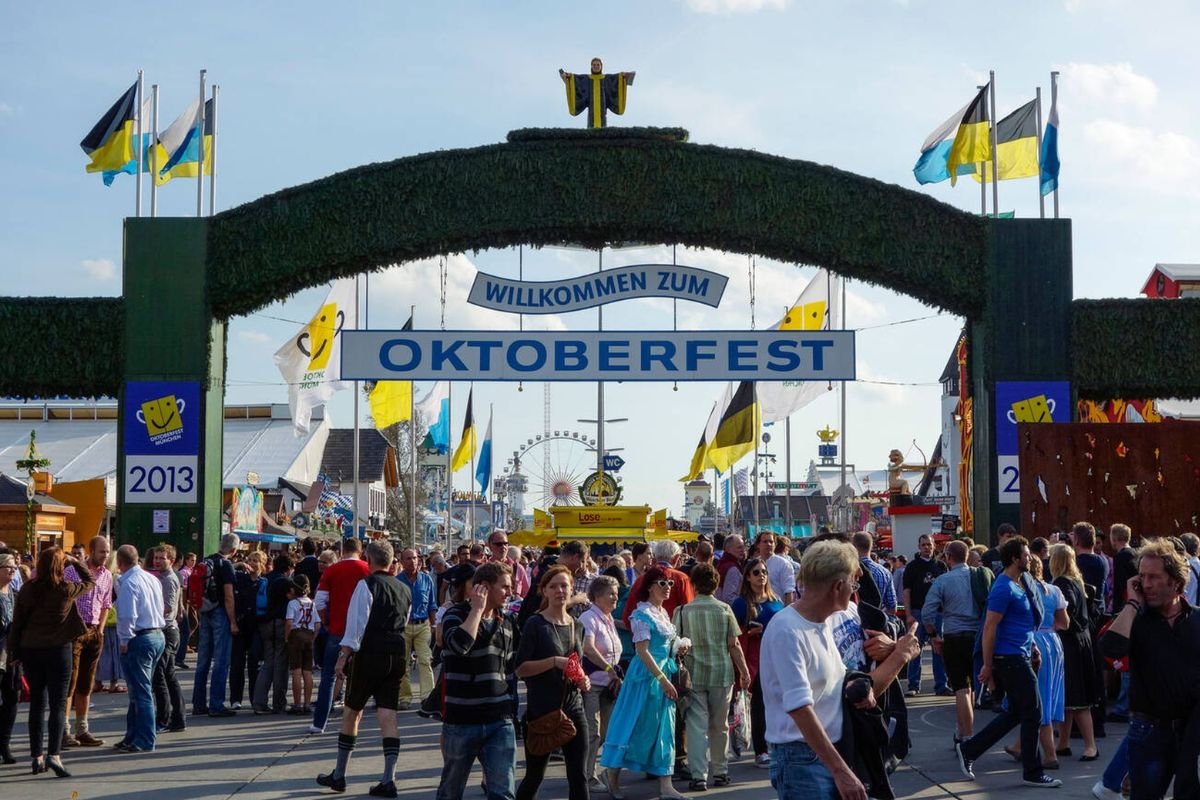
Each autumn, Munich transforms into the epicenter of global celebration as millions gather for the world’s most famous beer festival. The Theresienwiese fairgrounds become a sprawling wonderland of massive beer tents, traditional Bavarian music, carnival rides, and cultural traditions dating back over 200 years. For travelers considering Oktoberfest Munich 2026, understanding the festival’s duration, navigating travel package options, and evaluating whether the experience justifies the cost and effort requires detailed planning information.
This comprehensive guide provides everything you need to plan your Oktoberfest Munich 2026 experience successfully. We’ll explore the exact festival dates and schedule, break down travel package options with real pricing, analyze total trip costs across different budget levels, provide day-by-day planning strategies, and help you determine whether Oktoberfest aligns with your travel style and expectations. Whether you’re planning your first visit or returning for another year, this guide delivers actionable information for making informed decisions about one of the world’s most celebrated cultural events.
Understanding Oktoberfest Munich 2026: Official Dates and Duration
Munich’s Oktoberfest operates on a carefully planned schedule that balances tradition with modern logistics, creating optimal conditions for millions of visitors while preserving the festival’s cultural significance.
Official 2026 Festival Dates
Oktoberfest Munich 2026 officially begins on Saturday, September 19, 2026 and concludes on Sunday, October 4, 2026. The festival always begins on the first Saturday after September 15th and runs for 16-18 days depending on how the calendar aligns with October 3rd, Germany’s national holiday. When Unity Day falls during the festival period, organizers extend Oktoberfest through the following Sunday to maximize the celebration.
Why September Dates for “Oktoberfest”
The naming confusion—”Oktoberfest” primarily occurring in September—stems from the festival’s historical origins. The first Oktoberfest celebrated Crown Prince Ludwig’s wedding to Princess Therese in October 1810. As the annual tradition developed, organizers gradually moved starting dates earlier into September because Munich’s weather is considerably more pleasant in mid-September than early October. Warmer temperatures, longer daylight hours, and reduced rainfall probability make September ideal for outdoor festival activities.
Today, only the final days extend into October, but the traditional name persists as a connection to the festival’s 19th-century roots and the meadow’s name—Theresienwiese, honoring Princess Therese.
Opening Day: The Traditional Beer Tapping Ceremony
The festival officially begins at noon on opening Saturday with Munich’s mayor performing the ceremonial first beer barrel tapping at Schottenhamel tent. Using a wooden mallet, the mayor drives a tap into the barrel, declaring “O’zapft is!”—Bavarian dialect for “It’s tapped!” This moment signals official festival commencement, and the first beer stein goes to Bavaria’s Minister-President (the state’s political leader).
The tapping ceremony represents more than showmanship—it’s a carefully preserved tradition demonstrating that Munich’s civic leadership participates directly in this cultural celebration rather than merely administering it. The ceremony attracts significant media coverage, political figures, and brewery representatives, establishing the tone for the entire festival period.
Following the mayor’s tapping, all festival beer tents begin serving simultaneously at noon. This synchronized start creates an atmosphere of unified celebration across the entire Theresienwiese grounds.
Daily Schedule and Operating Hours
Beer tents open at 10:00 AM on weekdays and 9:00 AM on weekends and holidays. However, beer service doesn’t begin until musical performances start, typically around 10:30-11:00 AM on weekdays and immediately upon opening on weekends. This distinction matters for planning—arriving early secures seating, but you won’t receive beer until service officially begins.
Tent closing times vary by day. Sunday through Thursday, most tents close at 10:30 PM, with last orders around 10:00 PM. Friday and Saturday, tents remain open until 11:30 PM, with last orders at 11:00 PM. These strict closing times are enforced by Munich authorities to maintain order and respect for surrounding residential areas.
The outdoor carnival area and food stalls operate from 10:00 AM until 11:30 PM daily, providing additional entertainment and dining options for those who don’t secure tent seating or prefer outdoor festival activities.
Closing Day Traditions and Ceremonies
The final Sunday features emotional closing traditions. Tent bands perform farewell concerts, with thousands singing traditional Bavarian songs as the festival winds down. At precisely 10:30 PM on the final evening, all music stops simultaneously across every tent—a moment of unified silence before final applause and farewells.
The following day, Monday October 5th, sees complete teardown begin as the temporary festival city transforms back into open parkland. The efficiency of construction and deconstruction represents impressive logistics—building 14 massive beer tents, dozens of carnival rides, and extensive infrastructure, only to completely remove everything within weeks.
Historical Context: From Royal Wedding to Global Phenomenon
Understanding Oktoberfest’s duration requires appreciating its evolution. The first 1810 celebration lasted just five days, focused primarily on horse races celebrating the royal wedding. As the tradition took root, the festival expanded gradually, adding more days, more attractions, and eventually becoming the beer-focused celebration known today.
The modern 16-18 day duration emerged during the 20th century as organizers balanced several factors: maximizing attendance and revenue, accommodating international tourism, maintaining beer tent staff stamina, and respecting Munich residents’ quality of life. The current schedule represents careful optimization developed over decades of experience managing the world’s largest public festival.
Learn more about the festival’s geographic and cultural significance by exploring where Oktoberfest is held in Munich and the Theresienwiese grounds’ historical importance.
Best Times to Visit Oktoberfest 2026
Choosing when to attend within the 16-day festival period significantly impacts your experience, crowd density, atmosphere, and practical logistics.
When to Visit: Timing Comparison
| Time Period | Crowd Level | Atmosphere | Tent Access | Hotel Rates | Best For |
| Opening Weekend<br>(Sep 19-20) | Maximum | Ceremonial, energetic | Very difficult without reservations | Highest | Ceremony enthusiasts, premium budget |
| First Week (Sep 21-25) | Moderate-High | Traditional, warming up | Easier on weekdays | High | Balanced crowds, good weather |
| Mid-Festival (Sep 26-30) | Moderate | Authentic, comfortable | Most accessible | Best value | First-timers, budget-conscious |
| Final Days (Oct 1-2) | High | Bittersweet, festive | Moderate difficulty | High | Unity Day celebration |
| Closing Weekend (Oct 3-4) | Maximum | Emotional, intense | Very difficult | Highest | Ceremony lovers, premium budget |
| Weekdays (Mon-Thu) | Moderate | More local, authentic | General admission feasible | Standard | Relaxed experience |
| Weekends (Fri-Sun) | Very High | International party | Reservations essential | Premium | Maximum energy |
Weekday Advantages and Characteristics
Monday through Thursday offers distinctly different festival experiences compared to weekends. Weekday crowds remain substantial—this is still Oktoberfest—but tent capacity rarely reaches maximum, making spontaneous entry more feasible without advance reservations.
Weekday mornings and early afternoons attract fewer international tourists and more local Munich residents taking extended lunch breaks or half-days off work. This creates a more authentically Bavarian atmosphere with German language dominating conversations, traditional music taking precedence over modern sing-alongs, and local festival culture clearly visible.
The reduced pressure on infrastructure means shorter bathroom lines, faster food service, easier movement between tents, and more relaxed interaction with staff. For first-time visitors wanting to absorb the festival atmosphere without overwhelming sensory overload, weekday visits provide gentler introduction to Oktoberfest’s intensity.
Weekday evenings after 6:00 PM see crowds increase significantly as Munich workers finish their day and head to the festival. By 8:00 PM, weekday tents often reach comfortable capacity—lively and energetic but not impossibly crowded.
Weekend Energy and Intensity
Friday through Sunday transforms Oktoberfest into maximum-intensity celebration. International visitors dominate weekend crowds, bringing diverse languages, cultures, and festival interpretations. The atmosphere becomes more party-focused, with modern pop songs and international sing-alongs replacing some traditional Bavarian music.
Weekend tents frequently reach absolute capacity by early afternoon, with security restricting entry until seating becomes available. Without reservations, weekend visitors might wait hours for tent access or face rejection entirely during peak periods (2:00-7:00 PM). This creates frustration for unprepared visitors who underestimated weekend demand.
The carnival area, however, benefits from weekend energy. Rides operate at full capacity, street performers appear more frequently, and the outdoor food stalls create vibrant atmosphere rivaling the beer tents. For visitors prioritizing carnival experiences over tent time, weekends deliver optimal entertainment.
Weekend evenings showcase Oktoberfest at peak celebration—standing on benches during toasts, thousands singing in unison, brass bands playing continuously, and the infectious energy that makes this festival world-famous. If you seek the iconic, high-energy Oktoberfest experience featured in media coverage, weekend evenings deliver exactly that atmosphere.
Opening Weekend vs. Closing Weekend
The first weekend (September 19-20, 2026) attracts enormous crowds eager to experience opening ceremonies and begin the festival season. Hotels charge premium rates, tent reservations book months in advance, and the entire city buzzes with anticipation. This weekend suits visitors wanting to participate in opening traditions and who don’t mind premium pricing.
The final weekend (October 3-4, 2026) benefits from Germany’s Unity Day holiday, creating a three-day weekend that draws maximum German domestic tourism. This weekend often sees the festival’s absolute highest attendance numbers. The atmosphere carries bittersweet emotions—celebratory intensity mixed with nostalgia as the year’s festival concludes. Prices remain elevated, and crowds reach maximum density.
Both special weekends create memorable experiences but require significantly more advance planning and higher budgets than mid-festival visits.
Mid-Festival Sweet Spot
The period from Tuesday, September 22 through Thursday, October 1 represents optimal conditions for many visitors. This timeframe avoids opening and closing weekend premiums while still providing authentic festival experiences. Hotel rates drop slightly, tent reservations become more available, and the festival operates at comfortable capacity rather than overwhelming density.
This mid-festival period allows flexibility in daily planning—if one tent is too crowded, alternatives remain accessible. Weather patterns are statistically similar throughout September, so mid-festival dates don’t sacrifice pleasant conditions for crowd avoidance.
Family-Friendly Timing Considerations
Families with children should target weekday afternoons, particularly Tuesday and Wednesday between 2:00-6:00 PM. During these hours, tents maintain more subdued atmosphere, outdoor areas offer ample space, and the carnival rides operate without excessive lines.
Special family days occur on both Tuesdays during the festival when rides offer discounted pricing and tents specifically cater to family-friendly activities. While these days attract more families (reducing the “exclusive” advantage), the overall atmosphere becomes more welcoming for visitors with children.
Evening visits with families prove challenging as alcohol consumption increases, noise levels rise, and the atmosphere shifts toward adult party culture. Families should plan tent departures before 7:00 PM to maintain appropriate environments for children.
Weather Considerations by Week
Munich’s September weather generally provides pleasant festival conditions, but patterns shift subtly throughout the month. The first week (mid-September) typically offers the warmest temperatures, ranging from 15-22°C (59-72°F) during afternoons, with cool evenings dropping to 8-12°C (46-54°F).
The final week extending into early October sees temperatures cool slightly, with afternoon highs of 12-18°C (54-64°F) and evenings potentially reaching 5-9°C (41-48°F). Rain probability increases slightly in late September and early October, though dramatic differences don’t typically occur.
Visitors attending the first week can plan for warmer weather, potentially needing lighter layers and sun protection. Those visiting the final week should prepare for cooler conditions, bringing warmer traditional clothing options, jackets, and weather-appropriate footwear. Understanding traditional attire requirements helps—explore what to wear with Lederhosen for men’s outfit planning.
Complete Guide to Oktoberfest 2026 Travel Packages
Travel packages simplify Oktoberfest planning by bundling essential components, but understanding options, pricing, and inclusions helps you choose packages delivering genuine value versus overpriced convenience.
Package Comparison Overview
| Package Type | Price Range | Accommodation | Tent Reservations | Beer & Food Included | Transportation | Best For |
| Budget | €300-€500 | Hostel/Budget hotel (20-40 min from festival) | 1 evening reservation | 2 liters beer<br>+ 1 meal | Public transport pass | Solo travelers, backpackers, cost-conscious |
| Mid-Range | €800-€1,500 | 3-4 star hotel (15-25 min from festival) | 2-3 reservations (mixed times) | 3 liters beer + full meal per visit | Airport shuttle + transport pass | First-timers, couples, balanced convenience |
| Premium VIP | €2,000+ | 5-star hotel (5-15 min walk) | Multiple<br>prime-time slots | Unlimited beer + premium menu | Private car service | Luxury travelers, special occasions |
| Custom Group | Negotiable | Bulk rate options | Large table<br>reservations | Customizable per person | Private group transport | 8-20+ people, parties |
Budget Package Options: €300-€500 Per Person
Budget packages target cost-conscious travelers willing to sacrifice luxury for affordability. These typically include two to three nights accommodation in hostels, budget hotels, or shared apartments located 20-40 minutes from Theresienwiese via public transport.
Beer tent reservations in budget packages usually cover one evening with guaranteed seating, two liters of beer, and one traditional meal (typically half chicken or pork with sides). The reservation provides entry to less famous tents or non-prime time slots (weekday afternoons or Sunday evenings when demand stays lower).
Transportation inclusions vary but often provide multi-day public transport passes covering unlimited U-Bahn and S-Bahn travel within Munich’s city limits. Some budget packages include airport shuttle service to central Munich hotels but not direct festival transport.
What budget packages typically exclude: breakfast, additional meals beyond the single tent reservation, travel insurance, flexible change policies, and personal guide services. Travelers must navigate Munich independently, secure additional tent access themselves, and handle logistics without dedicated support.
Budget packages work well for young travelers, backpackers, or visitors prioritizing affordability over convenience. They provide essential access—accommodation and one guaranteed tent experience—while allowing flexibility for independent exploration during non-reserved times.
Mid-Range All-Inclusive Packages: €800-€1,500 Per Person
Mid-range packages target travelers seeking balance between cost and convenience. These include three to four nights in comfortable 3-star or 4-star hotels within 15-25 minutes of Theresienwiese, often in desirable districts like Schwabing, Maxvorstadt, or Isarvorstadt.
Tent reservations expand to two or three separate occasions, mixing weekday and weekend slots in moderately popular tents. Each reservation includes three liters of beer and full Bavarian meal courses. Some packages offer tent variety—experiencing different breweries and tent atmospheres rather than visiting the same location repeatedly.
All-inclusive elements cover daily breakfast at hotels, airport transfers via shared shuttle, comprehensive public transport passes, and basic Munich city tours (typically 2-3 hour walking tours covering central historic districts). Some packages bundle day trips to nearby attractions like Neuschwanstein Castle or the Dachau Memorial, adding cultural context beyond pure festival focus.
Package coordination through English-speaking representatives helps international visitors navigate logistics, answer questions about festival customs, and provide recommendations for additional activities. This support proves valuable for first-time visitors unfamiliar with Munich or German cultural expectations.
Mid-range packages suit travelers wanting structured experiences without premium pricing, couples or small groups seeking convenience over budget optimization, and first-time Oktoberfest visitors who value guidance navigating the festival environment.
Premium VIP Packages: €2,000+ Per Person
VIP packages target luxury travelers prioritizing exclusive experiences, premium service, and maximum convenience. Accommodation upgrades to 5-star hotels within walking distance of Theresienwiese (typically 5-15 minute walks), often featuring upgraded rooms, concierge services, and late checkout flexibility.
Beer tent access shifts entirely—VIP packages guarantee seating in the most desirable tents (Hofbräu, Käfer’s Wiesn-Schänke, Schottenhamel) during peak times (Friday/Saturday evenings). Reservations include balcony or elevated seating with superior views of tent entertainment, dedicated server assignment ensuring rapid service, and unlimited beer and premium food selections from expanded menus.
Beyond tent access, VIP packages commonly include private guided tours (avoiding group sizes of 15-20), luxury transportation (private cars versus shared shuttles), reserved entrance avoiding general admission lines, and exclusive brewery tours at Munich’s historic operations. Some premium packages arrange private traditional clothing fittings, helping visitors select authentic Dirndls or Lederhosen from quality retailers rather than tourist costume shops.
VIP packages appeal to luxury travelers, special occasions (milestone birthdays, anniversaries), corporate entertainment, and visitors who’ve attended previously in standard packages and want elevated experiences. The premium pricing delivers genuine exclusivity—VIP tent sections offer dramatically different experiences than general admission areas, justifying costs for travelers who value those distinctions.
Group and Custom Packages
Many tour operators create custom packages for groups of 8-20+ people, offering economies of scale unavailable to individual travelers. Group packages negotiate better hotel rates through bulk booking, secure larger tent table reservations keeping groups together, and arrange private transportation eliminating coordination challenges.
Bachelor/bachelorette parties, corporate teams, friend groups, and organized travel clubs frequently choose group packages. The per-person cost often falls below individual mid-range packages while delivering superior amenities through collective bargaining power.
Custom packages allow specific requests—vegetarian meal options, non-drinking participants (tent admission with food-only pricing), extended stay durations, or specialized tours matching group interests. Flexibility makes custom packages worth exploring for groups with specific needs mismatched to standard package offerings.
What’s Included: Detailed Breakdown
Understanding standard inclusions helps evaluate package value accurately. Most packages cover accommodation (2-5 nights depending on package tier and duration), beer tent reservations (number varies by package level), some quantity of beer and food per reservation, and basic public transport access.
Accommodations specify room types clearly—shared hostel rooms, private budget hotel rooms, standard hotel rooms, or upgraded suites. Verify occupancy—many packages assume double occupancy, charging supplements for solo travelers wanting private rooms.
Tent reservations include specific details: tent name, day/time, seating type (bench seating, table reservation, VIP area), beer allocation (typically 2-3 liters per person), and food (described as “one meal,” “traditional Bavarian feast,” or specific dishes). Understanding exactly what’s included prevents disappointment when discovering “unlimited beer” actually means three liters or “feast” translates to basic schnitzel and sides.
Transportation elements vary dramatically. “Airport transfers” might mean shared shuttle with 10 others and multiple hotel stops versus private car. “Public transport pass” could cover 3 days or the entire stay. Verify specifics before booking.
Tours and activities appear as package padding in some cases—cursory 90-minute bus tours with minimal actual value—versus genuine cultural experiences. Research tour specifics, reading reviews from previous package purchasers when possible.
Package Booking Timeline and Strategy
Oktoberfest packages sell out progressively as festival approaches. Premium VIP packages for opening and closing weekends often book 9-12 months in advance. Mid-range packages for popular weekends book 6-8 months ahead. Budget packages and mid-festival dates remain available 2-4 months before festival start, though selection narrows significantly.
The optimal booking window falls 5-7 months before Oktoberfest (February-April 2026 for September festival). This timeframe offers maximum selection before premium options disappear but allows enough time for travel planning, flight booking, and work schedule coordination.
Early booking provides cancellation flexibility—many packages offer free cancellation until 60-90 days before travel, allowing you to secure reservations while maintaining flexibility if plans change. Last-minute booking (within 30 days) typically eliminates cancellation options and dramatically increases pricing due to accommodation scarcity.
DIY vs. Package: Cost and Convenience Comparison
Independent travel offers lower total costs but requires significantly more planning effort. Booking accommodation, securing tent reservations separately, arranging transportation, and planning daily activities demands research, advance organization, and risk tolerance for complications.
Independent travelers can spend €600-€900 for 3-4 day trips achieving similar outcomes to €1,200 mid-range packages by booking strategically. However, this requires successfully navigating German-language tent reservation systems, accepting non-prime accommodation locations, and managing logistics without support.
Packages deliver convenience—one purchase covers all essentials, English-language support assists with problems, and pre-arranged logistics eliminate day-of stress. For first-time visitors, international travelers unfamiliar with German systems, or anyone prioritizing simplicity over savings, packages justify their premium pricing through reduced hassle and guaranteed experiences.
The break-even analysis depends heavily on your planning comfort level and valuation of convenience. Confident, experienced independent travelers save substantially handling arrangements themselves. Less experienced or time-constrained travelers find packages worth their premiums.
For those planning to wear traditional Bavarian attire, exploring authentic Dirndl dresses and traditional men’s Lederhosen helps you arrive properly dressed for the cultural celebration.
True Cost of Attending Oktoberfest Munich 2026
Understanding total trip costs requires examining every expense category, not just package prices or accommodation. Real Oktoberfest budgets include transportation, lodging, food and beer, entertainment, clothing, and miscellaneous expenses that add substantially to base costs.
Daily Cost Breakdown by Budget Level
| Expense Category | Budget (€) | Mid-Range (€) | Luxury (€) |
| Accommodation (per night) | 40-70 | 120-200 | 300-600 |
| Tent Visit (per session) | 50-70 | 80-120 | 200-400 |
| Meals Outside Tents (per day) | 15-25 | 25-40 | 100-200 |
| Transportation (per day) | 9-15 | 15-30 | 100-200 |
| Entertainment & Activities | 5-10 | 25-50 | 100-200 |
| Miscellaneous | 10-20 | 30-60 | 75-150 |
| DAILY TOTAL | €150-250 | €350-600 | €800-1,500 |
| 4-Day Trip Total | €600-1,000 | €1,500-2,500 | €3,500-6,000 |
Note: Does not include flights or one-time traditional clothing purchases
Budget Travel: €600-€1,000 Total
Budget-conscious visitors can attend Oktoberfest for approximately €600-€1,000 total by making strategic compromises. This budget assumes you’re already in Europe (minimizing flight costs) or finding exceptional flight deals from your origin.
Accommodation: Hostel dormitory beds or budget hotels far from Theresienwiese run €40-€70 per night. Three nights totals €120-€210. Booking 30-40 minutes from the festival via public transport sacrifices convenience but cuts accommodation costs dramatically.
Food and Beer: Inside tents, one liter Maß costs €13.50-€14.50 in 2024 (likely €14-€15 in 2026). Traditional meals (chicken, pork knuckle, pretzels) range €12-€20. Budget €50-€70 per tent visit including 2-3 beers and food. Two tent visits totals €100-€140. Outside tents, street food and supermarket supplies reduce meal costs to €15-€25 daily. Total food budget: €180-€250 for 4 days.
Transportation: Munich public transport day passes cost €8.90 for city zones. Four days totals €36. Airport connection from Munich Airport (MVV day ticket) adds €13 each direction. Total transport: €62.
Entertainment: Carnival rides cost €3-€8 per ride. Budget €20-€40 for rides and games.
Miscellaneous: Traditional clothing rentals run €40-€80 if not purchasing. Tips, souvenirs, and unexpected expenses add €40-€80.
Total Budget Estimate: €600-€1,000 depending on beer consumption, meal choices, and accommodation location. This budget requires discipline—limiting tent visits, choosing budget meals outside tents, staying in basic accommodation, and avoiding impulsive spending.
Mid-Range Comfort: €1,500-€2,500 Total
Mid-range budgets allow comfortable experiences without extreme luxury, representing the average international visitor’s spending pattern.
Accommodation: 3-star hotels within 20 minutes of Theresienwiese cost €120-€200 per night. Four nights totals €480-€800. These hotels offer private rooms, breakfast, and comfortable amenities without luxury pricing.
Food and Beer: Planning three tent visits at €80-€120 each (including 3-4 liters beer, full meal, tips) totals €240-€360. Additional meals outside tents at mid-range restaurants average €25-€40 per meal. Four days of additional dining totals €200-€320. Total food budget: €440-€680.
Transportation: Public transport plus airport connections total €62 as in budget scenario. Optional taxi/rideshare for late-night convenience adds €30-€50. Total transport: €90-€110.
Entertainment: Carnival rides, parades, and optional day trips (Neuschwanstein Castle tours cost €50-€90) add €100-€200.
Traditional Clothing: Purchasing quality used or basic new Dirndl/Lederhosen costs €150-€300, becoming keepsakes rather than disposable rentals.
Miscellaneous: Enhanced souvenir budget, emergency funds, higher tipping, and discretionary spending add €150-€250.
Total Mid-Range Estimate: €1,500-€2,500 providing comfortable, memorable experiences without budget stress or luxury excess. This range accommodates most international visitors seeking authentic experiences with reasonable comfort.
Luxury Experience: €3,500-€6,000+ Total
Luxury travelers prioritizing premium experiences, exclusive access, and maximum convenience spend substantially more for elevated Oktoberfest experiences.
Accommodation: 5-star hotels near Theresienwiese (Hotel Vier Jahreszeiten, Bayerischer Hof) cost €300-€600+ per night. Four nights totals €1,200-€2,400. These properties offer superior service, prime locations, concierge assistance, and luxurious amenities.
Food and Beer: VIP tent reservations with premium seating cost €200-€400 per visit including priority service, unlimited beer for reserved period, and premium food selections. Three VIP visits total €600-€1,200. Additional fine dining at Munich’s top restaurants adds €100-€200 per meal. Total food budget: €1,200-€2,000.
Transportation: Private airport transfers cost €80-€150 each direction. Private car service for festival transportation adds €200-€400. Total transport: €500-€800.
Entertainment: Private brewery tours (€150-€300), exclusive cultural experiences, and premium day trips add €400-€800.
Traditional Clothing: Authentic high-quality Dirndl or Lederhosen from specialty Trachten shops costs €400-€1,000+, representing investment-quality traditional attire.
Miscellaneous: Premium souvenirs, generous tipping, spontaneous luxury purchases, and contingency funds add €300-€600.
Total Luxury Estimate: €3,500-€6,000+ delivering genuinely exclusive experiences that differ dramatically from standard tourism. This budget level accesses experiences impossible at lower price points—VIP tent sections, private guides, luxury accommodations, and stress-free logistics.
Hidden Costs and Budget Surprises
Several expenses catch unprepared visitors, inflating budgets beyond initial estimates. Travel insurance (€40-€100) proves essential—festival injuries, illness, or trip cancellation protection prevents catastrophic losses. Many travelers skip insurance, then face problems they can’t resolve affordably.
Currency exchange fees and foreign transaction charges add 2-5% to every purchase for international visitors. Using credit cards with foreign transaction fees versus fee-free cards creates €50-€150 difference on a €2,000 trip.
Baggage fees for flying with traditional clothing purchases, coat check fees at venues, locker rentals, phone charging stations, and dozens of small convenience purchases accumulate to €100-€200 over multi-day trips.
Reserve 15-20% beyond calculated budgets for unexpected costs. Oktoberfest’s festive atmosphere encourages spontaneous spending—rounds of drinks for new friends, impulse souvenir purchases, additional carnival rides, or upgraded dinner reservations beyond original plans.
Why Oktoberfest Munich 2026 Is Worth the Investment
Evaluating whether Oktoberfest justifies its costs requires examining tangible and intangible value delivered relative to expenses and alternatives.
Unmatched Cultural Immersion
Oktoberfest represents living cultural heritage, not manufactured tourist attraction. The festival authentically continues traditions begun in 1810, maintained through wars, political changes, and modernization pressures. Attending connects you to genuine Bavarian culture—not theme park simulation—as locals celebrate alongside international visitors.
The traditional clothing isn’t costume but authentic Trachten worn with cultural pride. The music includes centuries-old folk songs passed through generations. The food represents actual Bavarian cuisine, not tourist-targeted creations. This authenticity creates cultural experiences impossible to replicate elsewhere—you’re not observing Bavarian culture but participating directly in its living celebration.
For culturally curious travelers, this immersion justifies costs alone. Where else can you spend 16 days immersed in authentic regional European culture at such scale? The educational and experiential value exceeds what museum visits or cultural tours provide because you’re living the culture rather than studying it from distance.
Social Experiences and Connection
Oktoberfest’s communal seating arrangements—long tables seating 8-10 people per bench—force social interaction between strangers. This intentional design creates connections impossible at restaurants or bars where private tables isolate groups.
Within hours, you’re singing traditional songs with German strangers who don’t speak your language, toasting with international travelers from five continents, and forming friendships that extend beyond the festival. The alcohol certainly facilitates this openness, but the structure and atmosphere create genuinely unique social environments.
Solo travelers find Oktoberfest exceptionally welcoming—arriving alone doesn’t doom you to isolation but rather guarantees integration into spontaneous groups. The “everyone’s here to celebrate” mentality dissolves normal social barriers, creating permission structures for interaction that would feel forced or inappropriate elsewhere.
These social experiences create stories and memories worth far more than trip costs. Meeting people from around the world, sharing laughter despite language barriers, and experiencing universal human celebration transcends typical tourism value calculations.
Scale and Spectacle Impossible Elsewhere
The sheer magnitude of Oktoberfest—6+ million visitors, 14 massive beer tents, sprawling carnival grounds—creates spectacle unmatched by smaller festivals. Even visitors who’ve attended regional Oktoberfest celebrations elsewhere describe Munich’s original as fundamentally different due to scale alone.
Walking through Theresienwiese on busy Saturday evenings, surrounded by tens of thousands of people in traditional dress, hearing brass bands from multiple tents overlapping, and feeling the energy of global celebration delivers visceral experiences that statistics can’t capture. The scale transforms what could be simple festival into overwhelming sensory immersion.
This magnitude also provides variety—if one tent feels too crowded or doesn’t match your energy preference, a dozen alternatives offer different atmospheres, music styles, and crowd demographics. The scale prevents the festival from feeling repetitive even across multiple days of attendance.
Bucket List Experience with Lasting Impact
Oktoberfest consistently appears on travel bucket lists globally, representing milestone experiences people prioritize experiencing once in their lives. This cultural cachet exists for legitimate reasons—the festival delivers on its reputation, creating memories that justify the hype.
Years after attending, travelers cite Oktoberfest among their most memorable trips. The combination of sensory overload, cultural immersion, social connection, and celebratory excess creates lasting emotional impact that typical vacations don’t match. The investment in attending becomes treasured memory rather than regrettable expense.
For significant life celebrations—30th birthdays, retirements, anniversaries, friend reunions—Oktoberfest provides meaningful shared experiences that strengthen relationships and mark milestones memorably. The festival becomes the setting for important personal memories rather than mere tourism checkbox.
Value Compared to Alternative Vacations
Compare Oktoberfest costs to alternative European city breaks. A 4-day Paris trip costs €1,500-€2,500 for mid-range travelers through accommodation, dining, attractions, and transportation. Amsterdam, London, or Rome demand similar budgets. Oktoberfest’s €1,500-€2,500 mid-range budget delivers comparable costs but fundamentally different experiences—more social, more festive, more culturally concentrated than general city tourism.
Beach resort vacations to Mediterranean destinations cost €1,000-€2,000 for all-inclusive 4-5 day trips, offering relaxation but little cultural engagement or memorable experiences beyond “nice beach, good weather.” Oktoberfest delivers dramatically more distinctive memories and stories for similar investment.
Adventure travel—hiking trips, safari experiences, extreme sports destinations—command premium pricing (€2,500-€5,000+) for unique experiences. Oktoberfest provides cultural adventure at lower price points, making it exceptional value within experiential travel categories.
When Oktoberfest Might Not Be Worth It
Honest evaluation requires acknowledging travelers for whom Oktoberfest doesn’t deliver sufficient value. If you don’t enjoy alcohol, crowded environments, or loud celebrations, the festival won’t appeal regardless of its cultural significance. The experience centers heavily on beer consumption and social atmosphere—removing those elements leaves expensive travel to experience what amounts to carnival rides and pretzels.
Travelers seeking quiet cultural immersion, intimate experiences, or contemplative tourism will find Oktoberfest overwhelming and misaligned with their preferences. The festival’s mass-tourism nature and party focus contradict desires for authentic local life or peaceful exploration.
Budget-conscious travelers who don’t value experiential spending over tangible goods might question Oktoberfest’s value proposition—spending €1,500 on four days of celebration versus two weeks of budget travel elsewhere presents legitimate trade-offs worth considering based on personal priorities.
Physical limitations matter—Oktoberfest demands extensive standing, walking, and endurance. Visitors with mobility issues, health conditions incompatible with loud environments or alcohol-heavy settings, or low tolerance for chaos might find the festival more ordeal than enjoyment.
Planning Your Oktoberfest Munich 2026 Itinerary
Effective itinerary planning maximizes your festival experience while balancing tent time, cultural exploration, rest, and spontaneity.
Pre-Festival Arrival: Day Before Opening
Arriving one day before your planned festival attendance provides crucial acclimation time. Flying directly into Munich the morning of your first tent reservation creates unnecessary stress—flight delays, jet lag, and luggage issues potentially derail carefully planned reservations.
Use arrival day for practical preparation. Purchase any last-minute traditional clothing items or accessories from Munich’s Trachten shops, which offer superior selection and authenticity compared to tourist vendors around Theresienwiese. Visit the festival grounds to orient yourself—walk the perimeter, identify tent locations, and understand the layout before navigating crowds during active festival days.
Explore Munich’s historic center—Marienplatz, Frauenkirche, Viktualienmarkt—providing cultural context for the Bavarian traditions you’ll experience at Oktoberfest. This groundwork helps you appreciate the festival as authentic regional culture rather than isolated tourist attraction.
Early evening, have a light dinner and prioritize sleep. Oktoberfest days demand physical stamina—late nights, extensive walking, and sensory intensity exhaust even energetic travelers. Starting well-rested prevents burnout during your limited festival days.
Day One: Morning Festival Exploration
Begin your first full festival day with late morning arrival at Theresienwiese (10:00-11:00 AM). Weekday arrivals allow easier exploration before crowds peak. Walk through the carnival grounds, experiencing the scale and atmosphere while rides and attractions operate at manageable capacity.
Visit smaller tents first—Armbrustschützen-Festhalle, Fischer-Vroni, or Ochsenbraterei—which offer more intimate atmospheres and easier entry than mega-tents. Order your first Maß, sample traditional food, and acclimate to beer tent culture without overwhelming chaos. Mid-day tent experiences feel more relaxed than evening sessions, providing gentler introduction to festival environment.
Spend early afternoon exploring outdoor festival areas. Try carnival rides offering unique perspectives—Ferris wheels provide excellent overview photography of the entire grounds. Sample street food from vendors offering regional Bavarian specialties not available in beer tents.
Return to your accommodation for late afternoon rest (3:00-5:00 PM). This break prevents exhaustion and allows refresh before evening activities. Change clothes if weather shifted, recharge phones, and prepare for longer evening session.
Day One: Evening Tent Experience
Evening sessions (6:00 PM arrival) showcase Oktoberfest at full energy. If you secured evening reservations, arrive 20-30 minutes early to navigate tent entry, locate your table, and settle before peak chaos. Without reservations, arrive by 5:00 PM to queue for general admission seating in less popular tents.
Plan 3-4 hour tent sessions including multiple beer rounds, full meal courses, and participation in tent atmosphere—standing for toasts, singing traditional songs with crowds, and engaging with tablemates. The ritual matters as much as the consumption—experiencing authentic beer tent culture means embracing participation rather than passive observation.
Balance indulgence with pacing. One Maß contains significantly more alcohol than typical American beer servings. Drinking two liters in one evening affects most people substantially—plan accordingly with water consumption, food intake, and awareness of your limits. The festival lasts multiple days; overindulging on day one creates recovery challenges that diminish subsequent experiences.
Exit tents by 9:30-10:00 PM rather than staying until closing. This timing avoids peak intoxication levels in other guests, reduces waiting for coat check and bathrooms, and allows calmer departure from festival grounds. Return to accommodation with time to decompress before sleep rather than collapsing immediately upon arrival.
Day Two: Cultural Balance
Dedicate day two to balancing festival experiences with broader Munich cultural exploration. Morning hours visit significant Munich attractions closed during evening festival sessions—Residenz Munich (former royal palace), Deutsches Museum (world-class science museum), or English Garden walks provide cultural depth beyond beer tent focus.
Midday, return to Theresienwiese for different tent experience than day one. If you visited smaller tents initially, explore major tents like Hofbräu-Festzelt or Paulaner tent. Different tents maintain distinct atmospheres—some favor traditional music and older crowds, others embrace international party atmosphere with younger demographics.
Late afternoon, explore specialized festival elements beyond tents. The Oide Wiesn (Old Oktoberfest) section recreates historical festival atmosphere with vintage rides, traditional crafts demonstrations, and acoustic music stages. This area requires separate €4 admission but offers dramatically different experience from main festival grounds—quieter, more family-friendly, and historically focused.
Evening sessions can mirror day one structure or explore different tent entirely. Variety prevents festival fatigue and exposes you to Oktoberfest’s diversity rather than repetitive experiences.
Day Three: Flexible Adventure
By day three, you understand festival rhythms and can adapt plans based on weather, energy levels, and spontaneous interests. If previous days felt intense, spend day three primarily outside tents—extended time at carnival rides, visiting Oide Wiesn more thoroughly, or taking half-day trips to nearby attractions like Nymphenburg Palace or Dachau Memorial Site.
Alternatively, if first days whetted your appetite for more tent time, secure additional reservations or attempt general admission at tents you haven’t experienced. Day three provides opportunity to refine your approach based on what worked well and what you’d modify.
Consider the festival’s social element—if you connected with interesting people on previous days, coordinate meetups for day three. The communal nature means you’ll likely encounter familiar faces from previous sessions, and intentional reconnection creates deeper festival experiences than perpetually meeting new strangers.
Day Four: Closing Experiences
Final festival days warrant wrapping up experiences and savoring last moments. Revisit favorite tents from earlier days, purchasing merchandise or souvenirs you previously skipped. Many tents sell brewery-specific items—glasses, steins, clothing—available only during festival season.
If your schedule permits, attend different times than previous days. Morning sessions (11:00 AM-2:00 PM) offer completely different atmosphere—more local Bavarians, less tourist-focused energy, traditional music dominating, and opportunities for genuine cultural interaction versus party-focused evening chaos.
Use final afternoon for last-minute shopping in Munich’s city center, purchasing traditional clothing items you decided you wanted after experiencing the festival, or visiting attractions you initially skipped due to festival priorities.
Final evening can mirror previous nights or deliberately choose lower-key experiences. After multiple intense days, some travelers prefer quieter final night—dinner at traditional Munich restaurants outside festival grounds, early return to accommodation, and reflection on the experience rather than pushing for one more massive tent session.
Rest Day Considerations
If staying 5-6 days total, incorporate one complete rest day away from Oktoberfest entirely. Continuous festival attendance causes sensory overload and physical exhaustion. A dedicated rest day—Munich museum visits, day trip to Salzburg or Zugspitze, or simply sleeping late and enjoying quiet city exploration—provides necessary recovery time.
This rest enhances subsequent festival days by preventing burnout. You’ll appreciate returning to Theresienwiese more after a break than you would through relentless daily attendance. The festival will still be there when you return, and you’ll engage more enthusiastically after recovering your energy.
Practical Travel Tips for Oktoberfest Munich 2026 Success
Beyond itinerary planning, practical logistics determine whether your festival experience flows smoothly or frustrates through preventable problems.
Booking Timeline and Deadlines
Begin Oktoberfest 2026 planning in late 2025 or early 2026—January through March represents optimal booking period. Follow this strategic timeline:
Critical Booking Deadlines:
- January-March 2026: Research packages and accommodation options
- March-April 2026: Book hotel accommodation (prime locations sell out)
- March-May 2026: Secure beer tent reservations through brewery systems
- April-June 2026: Book international flights for best pricing
- May-July 2026: Purchase or arrange traditional clothing
- July-August 2026: Finalize itinerary and make restaurant reservations
- August 2026: Last chance for reasonable accommodation within 30 min of festival
- September 2026: Only last-minute, premium-priced options remain
Hotel accommodations near Theresienwiese book 8-12 months in advance, with best locations disappearing first. Delay beyond April 2026, and you’ll face limited selection and higher pricing.
Beer tent reservations open through individual breweries in spring, typically March-May. Reservation systems vary by brewery and tent—some use online forms, others require phone calls or email requests. German language proficiency helps but isn’t mandatory as major tents accommodate English reservations.
Most tent reservations require minimum party sizes (typically 8-10 people) and carry minimum spending requirements (€30-€50 per person for food and beer). Solo travelers or small groups face challenges securing direct tent reservations, making travel packages or general admission strategies more viable.
Flight prices to Munich rise dramatically as festival approaches. Book international flights 4-6 months in advance (April-June 2026) for optimal pricing. Departure flexibility helps—flying Monday after festival closes or Tuesday morning costs significantly less than Sunday evening when maximum travelers depart simultaneously.
Transportation from Airport to City
Munich Airport (MUC) connects to the city center efficiently through multiple transport options:
Transportation Options Compared:
- S-Bahn (S1/S8 trains): €13.00 per person, 40-45 minutes, runs every 10-20 minutes
- Lufthansa Express Bus: €11.50 per person, 45 minutes direct to Hauptbahnhof, more luggage space
- Taxi/Rideshare: €60-€80 total, 35-40 minutes, best for groups of 3-4 splitting costs
- Private Car Service: €50-€70, advance booking required, most convenient for luggage
- Airport Shuttle (package included): Timing varies with multiple stops, economical but slower
- Rental Car: Not recommended due to parking scarcity at festival and alcohol plans
The S-Bahn represents the most economical option for solo travelers or small groups. From central Munich stations, transfer to U-Bahn lines U4/U5 (Theresienwiese station) or U3/U6 (Goetheplatz station) reaching the festival grounds in 5-10 additional minutes.
Navigating Munich Public Transportation
Munich’s public transport system (MVV) efficiently connects all city areas through U-Bahn (subway), S-Bahn (commuter rail), tram, and bus networks. The Theresienwiese festival grounds sit near U4 and U5 lines (Theresienwiese station) and U3/U6 lines (Goetheplatz station), making festival access simple from anywhere in Munich.
Purchase multi-day MVV tickets rather than single rides. The CityTourCard offers unlimited transport for 24, 48, or 72 hours plus discounts at Munich attractions. Prices range €13.90-€41.90 depending on zone coverage and duration. Alternatively, the IsarCard provides similar unlimited travel without attraction discounts at slightly lower cost.
Download the MVV app for real-time schedules and trip planning in English. The app shows station maps, line disruptions, and calculates optimal routes between addresses. This proves invaluable when navigating Munich beyond just festival attendance.
Evening returns from Oktoberfest require patience—trains run frequently but reach maximum capacity between 10:00-11:30 PM when tents close. Expect crowded platforms and train cars. Arrive at stations with 15-20 minute buffer time to accommodate platform waiting and potential missed trains due to capacity.
Beer Tent Etiquette and Cultural Customs
Understanding Bavarian beer tent customs ensures respectful participation and smoother experiences:
Essential Tent Etiquette Rules:
- Wait for Server Service: Never grab beer from counters—always wait for assigned server
- Communal Seating: Expect to share tables with strangers (this is intentional design)
- Standing Protocol: Stand on benches only during toasts or songs, never on tables
- Tipping Custom: Round up bills or tip 10% for good service
- Toast Properly: Make eye contact when clinking glasses (“Prost!”)
- Order Timing: Place full food and drink orders together, not piecemeal
- Table Respect: Don’t save excessive seats for absent friends during busy times
- Volume Awareness: Loud is expected, but respect neighboring conversations
- Bathroom Queues: Expect long lines during peak hours—plan accordingly
- Tent Exit Timing: Leave 30-45 minutes before closing to avoid rushed chaos
Weather Preparation and Appropriate Clothing
Munich’s September weather demands layers and preparation for variability. Daytime temperatures range 15-22°C (59-72°F), requiring moderate clothing. Evening temperatures drop to 8-12°C (46-54°F), necessitating jackets, sweaters, or warm traditional clothing layers.
Essential Packing List for Oktoberfest:
- Traditional Clothing: Dirndl or Lederhosen with appropriate undergarments
- Layering Pieces: Cardigan, shawl, or jacket for cool evenings
- Rain Protection: Quality waterproof jacket and umbrella (rain occurs frequently)
- Comfortable Shoes: Closed-toe walking shoes (you’ll walk 5-10 km daily)
- Warm Accessories: Scarf, tights, warm hat for later festival dates
- Day Bag: Crossbody bag that secures valuables in crowds
- Weather Flexibility: Both light and warm options for temperature swings
- Backup Outfit: Extra clothes in case traditional attire gets wet or uncomfortable
Inside beer tents, temperatures rise substantially from body heat and packed crowds. Wear layers you can remove easily—light shirts under traditional vests, removable jackets, and breathable fabrics prevent overheating during tent sessions while allowing warmth for outdoor transitions.
Traditional Clothing: Purchase, Rental, or Skip
Wearing traditional Bavarian clothing enhances festival experiences but isn’t mandatory. Approximately 60-70% of Oktoberfest visitors wear some form of traditional dress, creating strong social pressure but not absolute requirement.
Purchasing authentic Dirndl or Lederhosen costs €150-€1,000+ depending on quality. Budget options from tourist shops near Theresienwiese run €40-€100 but use cheap materials and poor construction. These costume-quality items work for single festival visit but won’t last beyond one season or survive washing.
Mid-range authentic clothing from proper Trachten shops costs €150-€400 and delivers genuine quality—real leather Lederhosen, properly constructed Dirndls with traditional patterns, and durability lasting years. This investment makes sense for repeat visitors or those wanting high-quality keepsakes.
Rental services throughout Munich offer traditional clothing for €40-€80 per outfit for 2-3 day rentals. This splits the difference between purchase and skipping traditional dress entirely. Rental quality varies dramatically—research rental services through reviews, and inspect items carefully before accepting to ensure acceptable condition.
Skipping traditional clothing entirely remains acceptable, particularly on weekdays when locals often wear casual modern clothing to Oktoberfest. If choosing this option, dress nicely—jeans and nice shirt versus athletic wear or extremely casual attire. The festival maintains semi-formal atmosphere despite its party reputation.
For detailed guidance on traditional attire, explore what accessories to wear with a Dirndl at Oktoberfest and authentic German Oktoberfest Lederhosen for men.
Food and Dietary Considerations
Oktoberfest centers heavily on traditional Bavarian meat-focused cuisine—pork, chicken, sausages, beef. Vegetarians find limited but growing options including käsespätzle (cheese noodles), potato dishes, salads, and pretzels. Vegan options remain scarce inside tents, requiring more creative ordering or bringing supplemental food.
Gluten-free options are minimal—pretzels and dumplings dominate carbohydrate options. Inform servers of dietary restrictions clearly, though accommodation capabilities remain limited compared to typical restaurants. Those with serious dietary restrictions or allergies should eat substantively before tent visits, treating tent food as supplemental rather than primary nutrition.
Kosher and halal options don’t exist within traditional Oktoberfest food. Observant Jewish or Muslim visitors need to make alternative dining arrangements outside the festival or bring appropriate food to consume alongside purchased beverages.
The massive portions often surprise first-time visitors—a half chicken (Hendl) includes significantly more food than American “half chicken” portions. Sharing meals between table partners reduces waste and allows sampling variety rather than committing to single massive portion.
Safety, Security, and Health Considerations
Oktoberfest maintains robust security presence, but crowd density and alcohol consumption create theft opportunities and safety concerns.
Essential Safety Practices:
- Secure Valuables: Use crossbody bags worn in front, not backpacks
- Minimize What You Carry: Bring only daily essentials, leave passports at hotel
- Stay Aware in Crowds: Watch belongings in tent entrances and bathrooms
- Pace Alcohol Carefully: One Maß = 2.5 American pints at 6% ABV
- Alternate with Water: Drink water between beers to prevent dehydration
- Use Medical Services: Don’t hesitate using on-site medical tents if needed
- Travel in Groups: Stay together, especially during late-night returns
- Trust Your Instincts: Leave situations that feel uncomfortable
- Report Harassment: Security takes inappropriate behavior seriously
- Plan Safe Returns: Know last train times and taxi backup options
Medical services exist throughout festival grounds—clearly marked medical tents handle everything from minor cuts to significant alcohol-related emergencies. Staff speaks English and treats visitors without judgment.
Pace alcohol consumption carefully. One Maß contains approximately 2.5 American pints and higher alcohol content than typical American beer (6% ABV versus 4-5%). Consuming 2-3 liters represents substantial alcohol intake—alternate with water, eat appropriate food, and monitor your state throughout sessions.
Sexual harassment remains serious concern, particularly in crowded late-evening tent sessions when intoxication peaks. Groups should maintain awareness of all members, establish meeting points if separated, and intervene if they observe inappropriate behavior toward companions or strangers. Festival security takes harassment seriously—don’t hesitate reporting problems.
Women traveling solo or in small groups should exercise additional caution, particularly during late tent hours and public transport returns. Sit near other women or families on trains, avoid isolated platform areas, and trust instincts about uncomfortable situations. Consider leaving tents earlier (9:00-9:30 PM) rather than closing time to avoid peak intoxication chaos.
Managing Festival Fatigue
Multi-day Oktoberfest visits physically exhaust even experienced travelers. Strategies for managing fatigue ensure you maintain energy throughout your trip rather than burning out midway.
Prioritize sleep over extended tent hours. Leaving at 10:00 PM with energy for next day’s activities outweighs staying until midnight and waking exhausted. The festival lasts 16 days—missing final tent hours won’t diminish your experience if it preserves energy for fuller next-day participation.
Schedule rest periods within each day. Return to accommodation for 2-3 hour afternoon breaks between morning exploration and evening tent sessions. Napping, showering, changing clothes, and relaxing prevents continuous 14-hour festival days that guarantee burnout.
Vary activity intensity. Follow high-energy tent evenings with lower-key daytime cultural activities. Alternate between crowded popular tents and quieter small tents or outdoor carnival time. This variation prevents sensory overload from repetitive high-stimulation environments.
Stay hydrated constantly. Munich’s autumn weather remains moderate, but alcohol dehydrates significantly, indoor tent heat creates additional fluid loss, and extensive walking demands proper hydration. Drink water before, during, and after tent sessions—buying water inside tents costs €8-€10 per liter but proves essential.
Frequently Asked Questions
How long does Oktoberfest Munich 2026 last?
Oktoberfest Munich 2026 lasts 16 days, running from Saturday, September 19 to Sunday, October 4, 2026. The festival typically spans 16-18 days depending on how Germany’s Unity Day (October 3rd) falls within the calendar. In 2026, Unity Day falls on Saturday, allowing the festival to extend through Sunday, creating a 16-day celebration. Beer tents open daily at 10:00 AM on weekdays and 9:00 AM on weekends, closing at 10:30 PM Sunday-Thursday and 11:30 PM Friday-Saturday. The extended duration provides visitors multiple opportunities to attend different days, experience varying crowd levels, and explore both weekday and weekend atmospheres without limiting themselves to single brief visit.
When should I book my Oktoberfest 2026 trip?
Book Oktoberfest 2026 travel between January and April 2026 for optimal selection and pricing. Hotels near Theresienwiese sell out 8-12 months in advance, with central locations disappearing by late spring. Beer tent reservations open through individual breweries March-May 2026, requiring early attention for popular tents and weekend time slots. International flights should be booked April-June 2026 when prices remain reasonable before late-summer increases. Waiting beyond June 2026 results in limited accommodation options, higher costs, and potential inability to secure tent reservations at all. Early booking also provides cancellation flexibility through travel insurance and package policies allowing changes until 60-90 days before travel. Last-minute booking within 30 days rarely finds quality accommodation near the festival grounds and pays dramatic pricing premiums.
How much does attending Oktoberfest cost per day?
Daily Oktoberfest costs range from €150-€800+ depending on budget level and spending habits. Budget travelers spending €150-€250 daily stay in hostels, limit tent visits to 1-2 occasions, eat inexpensively outside tents, and use public transport exclusively. Mid-range visitors spending €350-€600 daily book 3-star hotels, attend tents more frequently with full meals and multiple beers, dine at moderate restaurants, and occasionally use taxis. Luxury travelers exceeding €800 daily stay in 5-star hotels, secure VIP tent reservations, dine at premium restaurants, and use private transportation. Daily tent costs specifically run €50-€120 per visit including 2-3 liters beer and full traditional meal at standard tables, or €150-€300+ for VIP seating with premium service. These figures exclude one-time costs like flights and traditional clothing purchases, focusing on daily festival expenses.
Do I need to book beer tent reservations in advance?
Beer tent reservations aren’t mandatory but dramatically improve experiences, particularly for weekend visits and popular tents. Advance reservations guarantee seating during peak hours when tents reach capacity and deny general admission entry. Without reservations, arrive before 10:00 AM on weekdays or by 9:00 AM on weekends to secure general admission seating in less popular tents. Most reservations require minimum party sizes of 8-10 people and include minimum food and beverage spending requirements (€30-€50 per person). Solo travelers and small groups face challenges securing direct reservations, making travel packages or morning general admission arrival essential strategies. Reservations open through individual brewery websites and phone systems typically March-May, booking quickly for weekend prime-time slots. Midweek afternoon reservations remain available much longer than Friday/Saturday evening slots.
What should I wear to Oktoberfest Munich?
Traditional Bavarian clothing—Dirndl dresses for women and Lederhosen for men—represents authentic and culturally appropriate Oktoberfest attire worn by approximately 60-70% of festival attendees. Women’s Dirndl consists of bodice, blouse, skirt, and apron, costing €150-€400 for quality authentic versions or €40-€80 for rentals. Men’s Lederhosen (leather shorts or knee-length trousers) with traditional shirts and vests costs €150-€300 authentic or €40-€80 rental. Wearing traditional clothing enhances festival experience through cultural participation and often receives warmer reception from locals and tent staff. However, traditional dress isn’t mandatory—nice casual clothing (jeans, dress shirts, casual dresses) proves acceptable, particularly on weekdays. Avoid athletic wear, extremely casual clothing, or costumes mocking Bavarian culture. Comfortable walking shoes prove essential regardless of outfit choice, as you’ll walk extensively throughout each festival day. Bring layers for variable weather—jackets, cardigans, or warm accessories for cool evenings even if daytime temperatures feel comfortable.
Is Oktoberfest Munich worth visiting in 2026?
Yes, Oktoberfest Munich 2026 is worth visiting for travelers seeking authentic cultural experiences, social celebration, and unique festival atmosphere. The world’s largest beer festival delivers genuine Bavarian cultural immersion through traditional music, authentic regional cuisine, historic beer tents, and centuries-old customs maintained since 1810. The festival’s scale—6+ million visitors, 14 major beer tents, extensive carnival grounds—creates spectacle impossible to replicate at smaller regional Oktoberfests elsewhere. Social experiences from communal seating arrangements create memorable connections with international visitors and local Bavarians, generating stories and friendships justifying trip costs. Mid-range visitors spending €1,500-€2,500 for 4-day trips receive comparable value to other European city breaks but with more distinctive, memorable experiences. However, Oktoberfest isn’t worthwhile for travelers who dislike crowds, alcohol-focused celebrations, or loud environments, or those seeking quiet cultural contemplation rather than festive celebration. Physical stamina requirements and sensory intensity may overwhelm visitors with mobility limitations or low chaos tolerance.
Can I visit Oktoberfest without drinking beer?
Yes, you can fully participate in Oktoberfest without drinking beer, though the festival’s identity centers heavily on beer culture. Non-alcoholic beverage options inside tents include non-alcoholic beer (increasingly available at most tents), soft drinks, sparkling water, and traditional apple juice (Apfelsaft) or apple spritzer (Apfelschorle). Food-only visitors can purchase full meals without beverage minimums at most tents, though servers typically expect alcohol orders from seated guests. The outdoor carnival area, street food vendors, cultural performances, parades, and Oide Wiesn historic area provide extensive entertainment requiring no beer consumption. Designated drivers within groups, recovering alcoholics, pregnant visitors, and those who simply don’t enjoy beer can meaningfully participate through social atmosphere, traditional food, music, cultural observation, and carnival activities. However, beer remains so central to Oktoberfest identity that non-drinking visitors should honestly assess whether the festival aligns with their interests before significant travel investment.
What’s the best way to get from Munich airport to Oktoberfest?
The S-Bahn S1 or S8 commuter trains provide the most economical transport from Munich Airport to the festival area, costing €13.00 (likely €13.50-€14.00 in 2026) per person and taking 40-45 minutes to central Munich stations. From central stations, transfer to U-Bahn lines U4/U5 (Theresienwiese station) or U3/U6 (Goetheplatz station) reaching the festival grounds in 5-10 additional minutes. Purchase MVV day tickets covering entire journey plus unlimited additional travel that day. The Lufthansa Express Bus offers direct service to Munich Hauptbahnhof (main station) in 45 minutes for €11.50 with more luggage space than trains. Taxis cost €60-€80 from airport to city center or festival area, worthwhile for groups of 3-4 splitting costs or travelers with excessive luggage. Many travel packages include shared shuttle transfers making multiple hotel stops—acceptable convenience but slower than direct public transport. Avoid driving rental cars to Oktoberfest due to parking scarcity, expense, and alcohol consumption plans.
Are there age restrictions at Oktoberfest Munich?
Oktoberfest has no official minimum age—children and families attend freely, particularly during daytime hours. However, the festival environment becomes less appropriate for children as evenings progress and alcohol consumption increases. Most families with young children visit weekday afternoons (2:00-6:00 PM) when tents maintain quieter, more family-friendly atmospheres before dinner crowds arrive. Special family days on both festival Tuesdays offer discounted carnival ride pricing and emphasized family activities. Tent admission doesn’t restrict by age, but servers refuse alcohol service to anyone appearing under 18 (Bavaria’s minimum drinking age). Teens aged 14-17 can enter tents accompanied by parents but cannot consume alcohol legally. Unaccompanied minors under 16 face entry restrictions at many tents, particularly during evening hours. Weekend late evenings (after 8:00 PM) feature distinctly adult party atmosphere with intoxication, crowding, and behavior inappropriate for children. Parents should realistically assess their children’s tolerance for noise, crowds, and drunk adults before bringing young kids to Oktoberfest.
What’s included in an Oktoberfest travel package?
Oktoberfest travel packages typically include accommodation (2-5 nights depending on package tier), guaranteed beer tent reservations with specified food and beverage allocations, and basic transportation elements like public transport passes or airport transfers. Budget packages (€300-€500) provide hostel or budget hotel lodging, one tent reservation including 2 liters beer and one meal, and public transport passes. Mid-range all-inclusive packages (€800-€1,500) upgrade to 3-4 star hotels within 20 minutes of festival grounds, multiple tent reservations across different days, daily breakfast, airport shuttle service, and often Munich city tours or day trips to nearby attractions. Premium VIP packages (€2,000+) deliver 5-star accommodation near Theresienwiese, priority seating in popular tents with dedicated service, unlimited beer during reserved periods, premium food selections, private transportation, and exclusive brewery tours. All packages should specify exact tent names, reservation times, beer quantities, food descriptions, and transportation details—verify specifics before booking to avoid disappointment from vague “includes” descriptions that deliver minimal actual value.
How crowded is Oktoberfest on weekdays versus weekends?
Weekdays (Monday-Thursday) maintain substantial crowds but allow easier tent entry, shorter lines, more available seating, and generally more relaxed atmospheres compared to weekends. Weekday tent capacity rarely reaches absolute maximum, making general admission entry feasible without multi-hour waits or outright rejection. The crowd composition skews more local on weekdays—Munich residents taking extended lunches or half-days—creating more authentically Bavarian atmosphere with traditional music and German conversations dominating. Weekends (Friday-Sunday) transform into maximum-intensity celebration with international tourists dominating and tents frequently reaching capacity by early afternoon. Without advance reservations, weekend visitors may wait hours for tent access or face denial entirely during peak periods (2:00-7:00 PM). Opening weekend (September 19-20, 2026) and closing weekend (October 3-4, 2026) experience absolute highest attendance due to ceremonial significance and German Unity Day holiday. First-time visitors concerned about overwhelming crowds should target midweek visits Tuesday-Thursday for more manageable introduction to festival environment.
What time do Oktoberfest beer tents open and close?
Oktoberfest beer tents open at 10:00 AM on weekdays (Monday-Friday) and 9:00 AM on weekends and holidays (Saturday-Sunday). However, beer service doesn’t commence immediately upon opening—servers begin alcohol service when musical performances start, typically 10:30-11:00 AM on weekdays and immediately upon opening on weekends and holidays. This distinction matters for planning—arriving at opening secures preferred seating positions before crowds arrive, but you’ll wait 30-60 minutes before receiving beer orders. Tents close at 10:30 PM Sunday through Thursday, with servers refusing new orders after approximately 10:00 PM. Friday and Saturday, closing extends to 11:30 PM with last orders around 11:00 PM. These closing times are strictly enforced by Munich authorities maintaining order and respecting residential neighborhood noise limitations. Music stops promptly at official closing, lights brighten, and staff actively clear tents within 30 minutes. Plan tent departures 30-45 minutes before official closing to avoid rushed exits, bathroom lines, and crowded public transport platforms during mass simultaneous departure.
Ready to experience authentic Bavarian celebration? Complete your Oktoberfest preparation with traditional German Oktoberfest attire that honors the festival’s cultural heritage while ensuring you fit comfortably into this remarkable tradition.

Anna Bauer is a seasoned Bavarian fashion expert, cultural consultant, and heritage stylist with over a decade of hands-on experience in traditional German clothing. Born in Munich, the heart of Bavaria, Anna grew up surrounded by the rich traditions of Trachten fashion. Her passion for cultural attire led her to pursue a degree in Fashion and Textile Design at the prestigious University of the Arts Berlin, where she specialized in European folkwear.
Over the past 12+ years, Anna has collaborated with renowned Trachten designers, styled outfits for Oktoberfest events across Germany, and contributed articles to top fashion and culture magazines across Europe. Her work focuses on preserving the authenticity of Lederhosen and Dirndl wear while helping modern audiences style them with confidence and flair.
As the lead content contributor for German Attire, Anna combines her academic background, professional styling experience, and deep cultural roots to provide readers with valuable insights into traditional German fashion. Her blog posts cover everything from historical origins and styling guides to care tips and festival outfit planning—making her a trusted voice for anyone looking to embrace Bavarian heritage in a stylish, modern way.