Get 5% Off – Use promo code German Attire


What Are Lederhosen Made From? Leather Types Explained
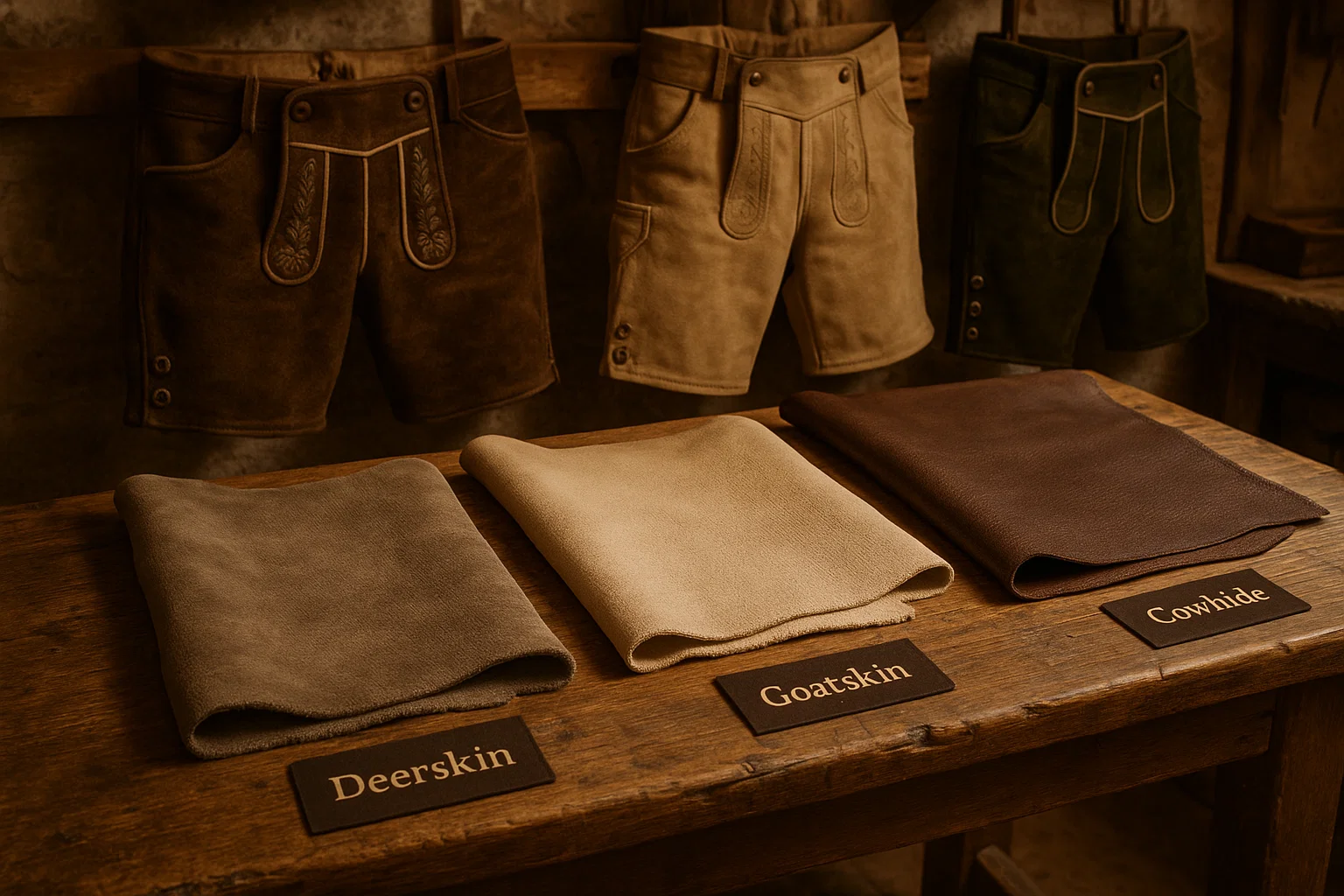
What Are Lederhosen Made From? A Complete Material Guide
Lederhosen represent more than traditional German clothing—they embody Alpine heritage, practical craftsmanship, and engineered durability. Understanding the materials used separates informed buyers from those who settle for poor-quality imitations. The leather you choose determines how your Lederhosen will feel, age, last, and respond to care.
This guide walks you through every material option, from premium deerskin to budget alternatives. You’ll learn what makes each suitable for different purposes, how much you should expect to spend, how long they’ll last, and exactly how to care for them.
Why Material Matters: Foundation of Quality
The material used in Lederhosen is not a minor detail—it’s foundational. Poor leather will sag after weeks, develop permanent creases, and crack under stress. Quality leather molds to your body, develops character over time, and can last decades.
Three factors determine whether Lederhosen are worthwhile: material quality, construction technique, and proper care. You can control all three by understanding what you’re buying.
Traditional Origins: Why Leather?
Lederhosen emerged from necessity, not fashion. Alpine farmers and hunters needed clothing that could withstand harsh weather, rocky terrain, and demanding physical work. Cotton rots in mountain rain. Wool becomes heavy when wet. Leather, particularly from deer and goat, solved every problem simultaneously.
Leather provided strength while remaining flexible. It breathed in heat and insulated in cold. It resisted wear from rough use. It didn’t absorb and retain water like fabric. And it improved with age—developing a protective patina that made the garment better, not worse, as years passed.
This practicality shaped Lederhosen design. Every detail—the reinforced crotch, the sturdy front flap, the suspender buttons—served a purpose. Traditional materials and construction weren’t chosen for aesthetics; they were chosen because they worked.
Modern Lederhosen maintain this legacy. Authentic pieces still use these same materials and techniques because four centuries of Alpine workers proved they’re ideal for this garment.
Leather Types: Understanding Your Options
Not all leather is created equal. The animal source, tanning method, thickness, and treatment all affect how the leather feels, ages, and performs. Understanding these differences helps you choose material suited to your climate, body type, and intended use.
Deerskin: The Premium Standard
Deerskin represents the pinnacle of Lederhosen materials. Alpine tradition specifically valued deer hide because no other material matched its combination of softness, breathability, and durability.
Natural Softness and Immediate Comfort
Deerskin has exceptional natural softness. Unlike cowhide, which requires significant break-in, deerskin feels comfortable from the first wear. The leather naturally conforms to your body within weeks, creating a second-skin fit that improves as it ages. This comfort level justifies the premium price for wearers who plan to wear Lederhosen regularly.
The conforming quality comes from deerskin’s natural flexibility. The material stretches minimally (0-1cm) but flexes easily with movement. This balance between structure and flexibility means deerskin Lederhosen never feel restrictive, even during extended wear or dancing.
Breathability Across Seasons
The leather breathes exceptionally well. Mountain workers needed clothing that didn’t trap moisture during exertion. Deerskin allows air circulation while maintaining temperature regulation. This breathability makes deerskin suitable for wearing across seasons—warm enough for cool autumn festival days, cool enough for summer activity without overheating.
Temperature regulation makes deerskin ideal for unpredictable Alpine weather where conditions can change throughout the day. Unlike synthetic materials that trap heat, deerskin adjusts to your body temperature while allowing excess heat to escape.
Patina Development and Character
Deerskin develops a distinctive patina. Within 3-6 months of regular wear, the surface develops subtle color variations and a gentle luster. This aging process adds character unique to each person’s wear patterns. The areas you flex most show slightly different tones than protected areas. This visual history is part of the appeal for many wearers.
The patina isn’t damage—it’s evidence of use and care. Knowledgeable buyers view patina development as proof of authenticity and proper maintenance. A pair of deerskin Lederhosen with developed patina tells the story of its wearer’s adventures.
Specifications and Performance
Weight and thickness of deerskin typically ranges from 1.2-1.5mm. This creates a garment that’s substantial without being heavy. A pair of quality deerskin Lederhosen weighs approximately 1.2-1.5kg when complete.
Long-Term Durability
Durability expectations for deerskin run 20-30 years with proper care. This represents the longest lifespan of any natural leather. Many wearers report their deerskin Lederhosen become more comfortable and beautiful as they age beyond a decade of regular use.
The longevity comes from deerskin’s natural resilience combined with the leather’s ability to absorb and distribute conditioning treatments effectively. Properly maintained deerskin actually strengthens over time rather than weakening.
Investment Cost
Cost for quality deerskin Lederhosen ranges from £300-500 for mid-range handcrafted pieces to £600-1000+ for premium artisan-made garments with detailed embroidery and custom work.
While the initial cost appears high compared to alternatives, calculating cost-per-year reveals the value. A £400 pair lasting 25 years costs £16 per year. The same calculation for £150 faux leather lasting 3 years costs £50 per year. Deerskin’s longevity makes it the most economical choice over time.
Goatskin: The Balanced Choice
Goatskin provides a practical middle ground between deerskin and cowhide. It balances affordability with quality more effectively than other options.
Texture and Weight Characteristics
Goatskin leather has natural softness approaching deerskin but with a slightly different texture. The material feels smooth rather than buttery. It’s lighter in weight than cowhide, creating garments that don’t feel heavy even during extended wear. The surface has a subtle sheen that develops more quickly than deerskin.
This lighter weight makes goatskin popular with wearers who’ll be standing all day or dancing extensively. The reduced weight doesn’t diminish durability—it simply distributes strain more comfortably across the body.
Quick Break-In and Immediate Wearability
Break-in period for goatskin is minimal. Most wearers report the material feels comfortable within the first few wears. This quick comfort makes goatskin ideal for people buying their first pair or for occasional wearers who don’t want to endure an extended break-in period.
The quick comfort comes without sacrificing structure. Unlike suede, which feels soft but lacks support, goatskin provides adequate structure while being immediately comfortable.
Stretch Expectations and Sizing
Goatskin stretches slightly more than deerskin, typically 1-2cm in the waist area during the first month of wear. This stretch should be accounted for when sizing. Choose a waist that feels snug but not restrictive at purchase, accounting for this additional stretch.
The stretch is predictable and moderate. Unlike excessively stretchy materials, goatskin’s 1-2cm stretch is manageable and expected by experienced buyers.
Technical Specifications
Weight and thickness of goatskin runs 1.0-1.3mm, making it noticeably lighter than deerskin. A complete pair weighs approximately 1.0-1.2kg. This lightweight construction appeals to comfort-focused buyers without compromising durability.
Long-Term Performance
Durability expectations for goatskin range from 15-22 years with proper care. The material resists wear effectively but typically doesn’t achieve the longevity of deerskin. Goatskin remains supple longer than cowhide, which is valuable for regular wearers.
The moderate durability makes goatskin ideal for buyers who plan to wear Lederhosen regularly over a decade or more but aren’t making a multi-generational investment piece.
Aging and Appearance
Patina development in goatskin is more subtle than deerskin. The leather darkens and develops minor surface variation but doesn’t show dramatic color shifts. This can be positive for buyers who prefer a consistent appearance over time.
The subtle aging means goatskin maintains its original appearance better than deerskin, making it suitable for buyers who want long-term consistency.
Value Proposition
Cost for goatskin Lederhosen ranges from £200-400 depending on craftsmanship and embellishment detail. This price point makes goatskin accessible to budget-conscious buyers without sacrificing significant quality.
The cost-to-quality ratio makes goatskin the most popular choice for first-time buyers. The material offers meaningful quality improvements over budget alternatives while remaining accessible.
Climate Suitability
Climate suitability for goatskin extends from approximately 5°C to 25°C. The material functions well across most European Alpine conditions and typical Oktoberfest weather.
Cowhide: The Durable Workhorse
Cowhide represents the most durable and structured option. It’s the material of choice for wearers prioritizing longevity and durability over immediate comfort.
Initial Stiffness and Break-In Period
Cowhide leather is significantly stiffer than deerskin or goatskin. New cowhide Lederhosen require a genuine break-in period. Expect 2-4 weeks of regular wearing before the material softens enough for full comfort. This initial stiffness isn’t a quality problem—it’s a characteristic of the material.
Many experienced wearers appreciate this structure because it means the garment maintains its shape during the break-in period. Unlike softer materials that may sag initially, cowhide holds your intended silhouette while gradually conforming.
Weight and Substance
The weight of cowhide is noticeably heavier than other options. Thickness typically runs 1.5-2.0mm, and a complete pair weighs 1.4-1.8kg. This weight isn’t necessarily negative—it contributes to the durability and structural integrity of the garment.
The substantial weight makes cowhide Lederhosen feel quality and substantial when wearing. Some buyers appreciate this tangible evidence of durability, while others prefer the lighter feel of softer materials.
Minimal Stretch and Shape Retention
Cowhide stretches minimally, typically 0-1cm. This minimal stretch makes sizing more important than with stretch-prone materials. The material holds its shape because the leather doesn’t conform as dramatically to body curves as softer materials.
This can be positive for buyers with consistent builds or negative for those with significant curves. The reduced conformity means cowhide is less forgiving of sizing errors.
Technical Specifications
Durability expectations for cowhide exceed other materials. Properly maintained cowhide Lederhosen regularly last 25-35+ years. This makes cowhide the choice for buyers viewing Lederhosen as a true investment piece that will pass to future generations.
The extended lifespan comes from cowhide’s natural toughness. The material resists wear better than softer leathers, aging through use rather than deterioration.
Subtle Aging Process
Patina development in cowhide is subtle and slow. The color may darken slightly over years, and high-stress areas may show minor toning variations. However, cowhide doesn’t develop the dramatic visual aging of deerskin. This consistency appeals to buyers who want a more stable appearance.
The subtle aging means your cowhide Lederhosen will look largely unchanged after decades, making them suitable for formal occasions where consistency matters.
Value Through Durability
Cost for cowhide Lederhosen ranges from £150-350 depending on construction quality. The lower end provides budget options, while premium cowhide pieces approach mid-range deerskin pricing.
The price-to-lifespan ratio makes cowhide excellent value. A £250 cowhide pair lasting 30 years costs £8.33 per year—the lowest cost-per-year among quality options.
Climate Performance
Climate suitability for cowhide extends from 0°C to 30°C, making it suitable across the broadest temperature range of any leather type. The heavier material provides more insulation than lighter leathers, and the durability means it performs well in harsh conditions.
Cowhide is ideal for buyers in regions with extreme weather or those who’ll wear Lederhosen across multiple seasons.
Suede: Casual and Approachable
Suede represents a different category of leather material. Made from the underside of animal hide, suede has a soft texture and matte finish.
Immediate Softness Without Break-In
Suede feels exceptionally soft compared to other leathers. The material is gentle against skin and creates an immediately comfortable wearing experience. There’s virtually no break-in period because suede starts soft and remains consistently soft.
This immediate comfort appeals to buyers who want to wear Lederhosen for a single event without weeks of uncomfortable break-in preparation.
Casual Aesthetic and Use Cases
Weight and texture characteristics make suede ideal for casual occasions rather than formal events or extended wear. Suede Lederhosen have a relaxed, country-style appearance distinct from traditional dressed-up styles.
The casual aesthetic works for informal celebrations, costume events, and relaxed social occasions. Formal settings typically call for more structured materials.
Water Vulnerability and Care Requirements
Moisture sensitivity is the primary limitation of suede. The material absorbs water readily and is vulnerable to water spots and staining. Suede Lederhosen require immediate drying after exposure to rain or snow. This makes suede poor choice for outdoor festivals in unpredictable weather or regions with frequent precipitation.
The moisture sensitivity means suede requires constant vigilance about environmental conditions. A single rainstorm can damage the garment permanently.
Limited Durability
Durability of suede is limited. Expect 5-10 years with diligent care, significantly less if exposed to moisture or rough treatment. The material pills and wears noticeably faster than traditional leathers.
The limited lifespan makes suede unsuitable for investment purchases or regular wear beyond occasional use.
Budget-Friendly Pricing
Cost for suede Lederhosen typically ranges from £80-200. The low price reflects lower material cost and reduced durability expectations.
Suede offers affordable entry to Lederhosen without representing good long-term value.
Material Comparison Table
| Factor | Deerskin | Goatskin | Cowhide | Suede |
|---|---|---|---|---|
| Initial Comfort | Excellent | Good | Fair | Excellent |
| Break-in Period | 1-2 weeks | 1-2 weeks | 2-4 weeks | None |
| Weight (kg) | 1.2-1.5 | 1.0-1.2 | 1.4-1.8 | 0.8-1.0 |
| Thickness (mm) | 1.2-1.5 | 1.0-1.3 | 1.5-2.0 | 0.8-1.2 |
| Stretch (cm) | 0-1 | 1-2 | 0-1 | 1-2 |
| Patina Development | Dramatic | Subtle | Minimal | None |
| Durability (years) | 20-30 | 15-22 | 25-35 | 5-10 |
| Climate Range | 5-25°C | 5-25°C | 0-30°C | 10-20°C |
| Moisture Resistance | Good | Good | Excellent | Poor |
| Cost (£) | 300-1000 | 200-400 | 150-350 | 80-200 |
| Formality Level | Formal/Casual | Semi-formal/Casual | Structured/Formal | Casual Only |
Cost Breakdown: What You’ll Actually Pay
Material cost forms only part of the total price. Construction quality, embroidery complexity, and brand reputation also influence final cost.
Deerskin Lederhosen from quality makers run £300-500 for standard designs with basic embroidery. Premium handcrafted pieces with extensive embroidery and custom work reach £600-1000+. The premium reflects artisan time, regional embroidery detail, and use of premium hardware.
Goatskin Lederhosen typically cost £200-400. This price point positions goatskin as accessible to buyers who want quality beyond budget options but can’t justify deerskin investment. Most first-time buyers in this range report satisfaction with the quality-to-cost ratio.
Cowhide Lederhosen range from £150-350. Budget options focus on durability over comfort, while premium cowhide pieces approach goatskin pricing through detailed construction and embellishment.
Suede and faux leather options cost £80-200. These prices reflect the lower material costs and reduced durability expectations. These options serve primarily as costume or introductory pieces.
For reference, quality handcrafted pieces from established Alpine makers typically cost more than mass-produced imports, but the difference in longevity and comfort justifies the investment if you plan regular wear.
Tanning Methods: Why Process Matters
The way leather is treated during production significantly affects durability, feel, and environmental impact. Traditional tanning methods differ substantially from modern industrial processes.
Vegetable Tanning: Traditional and Superior Aging
Vegetable tanning uses tannins from tree bark to cure leather. This ancient method produces leather that ages beautifully and develops rich patina over time. Vegetable-tanned leather actually improves with age, developing deeper color and enhanced suppleness. Most premium Lederhosen use vegetable tanning. The process takes months, making it slower and more expensive than alternatives, but the results justify the cost for quality pieces.
Vegetable-tanned leather shows the story of its use through patina development. Each crease, each stress point, each worn area develops unique color and character.
Chrome Tanning: Fast and Industrial
Chrome tanning uses chromium salts to cure leather. This industrial method is faster and cheaper than vegetable tanning. Chrome-tanned leather is softer immediately and doesn’t require the extended break-in of vegetable-tanned leather. Many mid-range Lederhosen use chrome tanning as a compromise between cost and quality.
Chrome tanning produces consistent, predictable results. The leather’s feel and behavior don’t vary as much as vegetable-tanned leather, which can be positive or negative depending on preference.
Combination Tanning: Balanced Approach
Combination tanning uses both methods. This approach attempts to balance the aging properties of vegetable tanning with the immediate softness of chrome tanning.
Combination tanning represents a middle ground that some manufacturers use to offer softer-wearing leather with some aging characteristics.
Care and Maintenance Timeline: Keeping Leather Healthy
Leather durability depends entirely on care. Neglected leather deteriorates quickly. Properly maintained leather improves with age.
Immediate Care After Each Wear
Allow the leather to air completely. Hang in a cool, shaded location for 2-4 hours minimum. Never place near direct heat, which dries leather too rapidly and causes cracking. Direct heat from radiators, fireplaces, or direct sunlight accelerates leather aging in negative ways.
Weekly Maintenance During Regular Wear
Gentle brushing with a soft cloth removes surface dust. This prevents dirt from accumulating in creases and pores where it causes discoloration or damage over time.
Monthly Spot Cleaning
Address any stains with a damp cloth and mild soap. Never submerge leather in water. Never machine wash. Spot cleaning addresses problems before they become permanent staining.
Quarterly Conditioning Schedule
Apply quality leather conditioner or balm every 3 months during regular wear. Work the conditioner in using circular motions. Allow to absorb for 10-15 minutes, then buff with a clean cloth. Conditioning prevents cracking, maintains suppleness, and protects the surface.
Use conditioning products specifically formulated for leather. Shoe polish and general fabric treatments damage leather pores.
Seasonal Deep Care
Condition the leather before and after harsh weather seasons. Before winter storage, condition to ensure protection during months of lower humidity. After festival season or regular summer wear, condition again to restore moisture.
Annual Inspection and Assessment
Check seams for any fraying, buttons for secure attachment, and leather for cracks or deep creases that might need professional attention. Catching problems early prevents small issues from becoming major damage.
Look for any areas where the leather has become overly dry or where stitching has loosened. Address these issues immediately.
Off-Season Storage Protocols
Store flat or on padded hangers in a cool, dry location. Use cedar blocks to deter insects. Never store in plastic bags, which trap moisture and encourage mildew. Leave garments accessible for occasional airing even during storage to prevent mildew development.
Authenticity Markers: Identifying Quality Materials
Distinguishing authentic, quality leather from inferior or faux materials protects your investment. Several markers indicate genuine leather and proper craftsmanship.
Smell Test: The Most Reliable Indicator
Smell is the first indicator. Authentic leather has a distinctive natural smell—slightly earthy, complex, and pleasant. Faux leather smells chemical or plastic. This simple test eliminates most imitations immediately.
The natural leather smell comes from the hide itself and the tanning process. It’s nearly impossible to replicate synthetically, making smell a reliable authentication tool.
Surface Texture Analysis
Surface texture reveals leather type. Run your hand across the material. Authentic leather has subtle variation in texture with slight imperfections. The surface may have minor scars, pores, or color variation—these are signs of authenticity, not defects. Faux leather feels uniform and plastic-like.
Authentic leather feels warm and slightly supple to the touch. Faux leather feels cool and rigid.
Weight and Drape Characteristics
Weight and drape matter. Quality leather has substantial weight and drapes naturally when worn. Faux leather often feels plastic-y and may crack at seams.
Hold the garment in your hands and observe how it moves. Authentic leather flows with natural movement. Faux leather stiffens or creases unnaturally.
Edge Finishing Details
Edges tell stories. Quality Lederhosen have finished edges, either sealed with wax or edged with leather binding. Raw, unfinished edges indicate inferior construction. Check the armholes, leg openings, and waistband edges. These should all be properly sealed or bound.
Unfinished edges fray and deteriorate quickly, indicating the maker cut corners.
Stitching Quality Assessment
Stitching quality separates quality from cheap. Look for even, tight stitching with no loose threads. Stress points like crotch seams and suspender attachment should have reinforced stitching or bar tacks. Hand-stitching with saddle stitch indicates premium construction.
Pull gently on seams to confirm they’re secure. Stitches should not budge or come loose.
Hardware and Embellishment Inspection
Hardware quality matters. Real bone or horn buttons are superior to plastic. Rivets should be substantial and properly set. Buckles should be smooth with no rough edges. Press on buttons and rivets to confirm they’re securely attached.
Embroidery and detailing, if present, should be symmetrical and tightly stitched. Crooked or loose embroidery indicates poor craftsmanship.
Faux Leather Alternatives: Understanding Limitations
Faux leather, polyester-suede blends, and cotton alternatives serve a purpose but come with significant limitations.
Faux leather made from polyurethane or PVC imitates real leather’s appearance but lacks fundamental characteristics. Faux leather doesn’t breathe, trapping heat and moisture against the skin. The material doesn’t age gracefully—it cracks, peels, and deteriorates after a few years. Most faux leather Lederhosen last 1-3 years with regular wear before showing significant damage.
The cost advantage of faux materials is real but temporary. Paying £100 for fake leather that lasts 2 years costs more per year than £400 for real leather lasting 20 years. The cost-per-year calculation heavily favors authentic materials.
Appropriate uses for faux alternatives include costume wear for single events, introductory pieces for people unsure about committing to Lederhosen, and temporary use while traveling. For any regular wear or investment purchase, authentic leather is superior.
Choosing the Right Material: Use Case Guidance
Your intended use determines which material makes sense.
For regular festival attendance, choose deerskin or goatskin. These materials provide the comfort needed for all-day wear while developing the character that makes Lederhosen meaningful. Budget £250-400 for goatskin or £350-600 for deerskin.
For professional or formal events, cowhide provides the structured formality and durability for less frequent wear. The minimal break-in time means they’re ready to wear for upcoming events. Budget £200-350.
For occasional casual wear, goatskin offers the best balance. Budget £250-350.
For climate extremes, cowhide’s broader temperature range and durability excel. Budget £200-350.
For single events or costume use, budget alternatives are appropriate. Budget £80-150.
Weather and Climate Considerations
Material suitability extends beyond preference to climate reality.
Deerskin and goatskin excel in moderate Alpine climates (5-25°C). These materials provide breathability for summer while insulating adequately for cool mountain nights. They’re ideal for traditional Oktoberfest weather. However, in very hot climates (above 25°C), heavier leather becomes uncomfortable.
Cowhide’s broader temperature range (0-30°C) makes it suitable for varied climates. The heavier material provides more insulation in cold and breathes adequately in moderate heat. Cowhide works across seasons better than lighter materials.
Suede performs poorly in wet climates. The moisture sensitivity makes it unsuitable for festivals with rain probability or regions with frequent precipitation.
FAQ
What’s the difference between deerskin and goatskin if they’re similar price?
Deerskin develops more dramatic visual aging and offers slightly superior comfort. Goatskin is lighter in weight and slightly stiffer, making it better for structured styles. Choose deerskin for appearance and comfort, goatskin for weight and formality.
Can I condition faux leather?
No. Faux materials don’t absorb conditioning and may be damaged by oils. Faux leather maintenance consists only of gentle cleaning.
How often should I condition my Lederhosen?
Every 3 months during regular wear, more frequently in harsh conditions. During off-season storage, condition once before and once after.
Can I restore cracked leather?
Small cracks can be sealed with leather filler, which are available from leather working suppliers. Large cracks require professional restoration and significant expense.
Which material yellows with age?
Vegetable-tanned leather may develop amber tones over decades. This is normal and expected. Chrome-tanned leather resists yellowing better.
Is there an environmental difference between materials?
Vegetable tanning uses natural materials and is less polluting than chrome tanning. Faux leather is petroleum-based and less biodegradable than natural leather. Genuine leather, despite being an animal product, represents a byproduct of food production and is biodegradable.
Can I use shoe polish on Lederhosen?
Use only leather-specific conditioner or balm. Shoe polish can stain leather and clog pores.
Will my Lederhosen smell permanently?
No. New leather has a strong smell that fades within weeks or months. If smell persists beyond a month, it indicates low-quality leather or poor tanning.
Conclusion: Choosing Wisely
Material choice determines your Lederhosen experience. Quality leather costs more initially but provides comfort, durability, and aging beauty that justifies the investment. Inferior materials feel cheap immediately and fail within years.
For your first Lederhosen, choose goatskin at £250-350. This provides quality above budget alternatives while remaining accessible to most buyers. Experienced wearers who know they’ll wear Lederhosen regularly can justify deerskin investment.
Understand that Lederhosen represent clothing engineered over four centuries. Every traditional material and technique exists for practical reasons proven through generations of use. Authentic materials aren’t expensive because of marketing—they’re expensive because they deliver superior performance.
Browse our men’s Lederhosen collection and women’s Lederhosen collection to see how different materials translate into finished garments. Each offers distinct advantages suited to different needs and budgets.

Anna Bauer is a seasoned Bavarian fashion expert, cultural consultant, and heritage stylist with over a decade of hands-on experience in traditional German clothing. Born in Munich, the heart of Bavaria, Anna grew up surrounded by the rich traditions of Trachten fashion. Her passion for cultural attire led her to pursue a degree in Fashion and Textile Design at the prestigious University of the Arts Berlin, where she specialized in European folkwear.
Over the past 12+ years, Anna has collaborated with renowned Trachten designers, styled outfits for Oktoberfest events across Germany, and contributed articles to top fashion and culture magazines across Europe. Her work focuses on preserving the authenticity of Lederhosen and Dirndl wear while helping modern audiences style them with confidence and flair.
As the lead content contributor for German Attire, Anna combines her academic background, professional styling experience, and deep cultural roots to provide readers with valuable insights into traditional German fashion. Her blog posts cover everything from historical origins and styling guides to care tips and festival outfit planning—making her a trusted voice for anyone looking to embrace Bavarian heritage in a stylish, modern way.