Get 5% Off – Use promo code German Attire


What to Wear With a Dirndl? Complete Style & Layering Guide
What to Wear With a Dirndl: Complete Styling & Accessory Guide
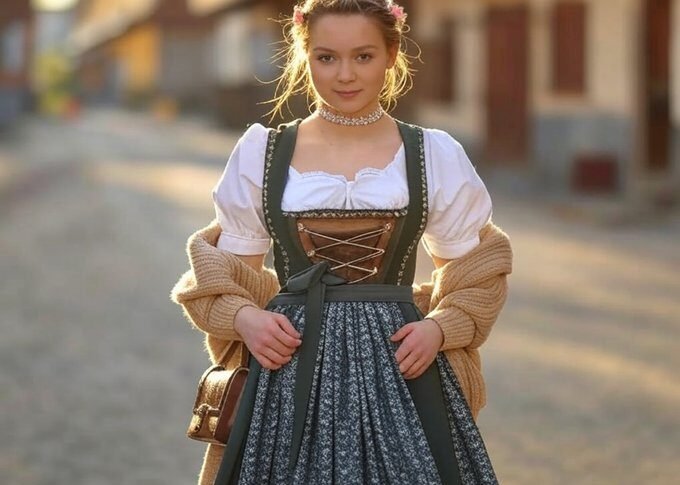
Wear a traditional dirndl with a white cotton or lace blouse (€20-€60), dirndl-appropriate push-up or balconette bra (€25-€45), full-length petticoat adding skirt volume (€15-€35), Bavarian knee-high socks in cream or coordinating colors (€8-€20), leather Mary Janes or traditional Trachten heels (€40-€120), and coordinate with authentic accessories including Edelweiss choker or velvet ribbon jewelry (€15-€40), small leather crossbody bag or traditional Trachten handbag (€30-€80), and flower crown or traditional hair accessories (€10-€35) for complete authentic presentation. Essential undergarments include structured bras providing lift and support for low-cut bodices, cotton or tulle petticoats creating the characteristic full-skirted silhouette, and appropriate hosiery—knee-high cable-knit socks for cooler weather or sheer tights for formal occasions. Outerwear layering options range from traditional wool Trachten jackets (€80-€200) and cropped cardigans (€40-€100) for authentic alpine styling to modern leather jackets or denim jackets (€60-€150) for contemporary festival looks. Complete the outfit with traditional footwear—Haferlschuhe leather shoes, suede Mary Janes, or low-heeled pumps—avoiding sneakers, flip-flops, or stiletto heels that clash with traditional aesthetics while ensuring comfort during extended Oktoberfest celebrations, weddings, or cultural events.
Creating a complete, authentic dirndl outfit extends far beyond simply purchasing the dress itself—the blouse, undergarments, shoes, accessories, and layering pieces transform basic traditional attire into polished, culturally appropriate presentation suitable for Oktoberfest celebrations, Bavarian weddings, folk festivals, or cultural events. Understanding which items complement dirndls, how to coordinate colors and styles, what accessories honor traditional aesthetics while allowing personal expression, and how to adapt outfits for different seasons, occasions, and body types ensures you look and feel confident while respecting Bavarian heritage through thoughtful styling choices.
Complete Dirndl Outfit Essentials
Understanding every component necessary for complete dirndl presentation prevents last-minute shopping stress and ensures culturally appropriate styling.
Essential Items Checklist and Pricing
| Item Category | Specific Items | Price Range | Where to Buy | When Essential |
| Blouse | White cotton, lace-trimmed, puff sleeve | €20-€60 | Trachten shops, online retailers | Always required |
| Bra/Support | Push-up, balconette, Trachten bustier | €25-€45 | Lingerie shops, specialty stores | Always recommended |
| Petticoat/Slip | Cotton or tulle, full-length | €15-€35 | Costume shops, online | Recommended for volume |
| Socks/Hosiery | Knee-high cable-knit, tights | €8-€20 | Department stores, Trachten shops | Season-dependent |
| Shoes | Mary Janes, Trachten heels, ballet flats | €40-€120 | Shoe retailers, traditional shops | Always required |
| Apron | Contrast or matching fabric with bow | €15-€50 | Sold with dirndl or separately | Always included with dirndl |
| Jewelry | Choker, Edelweiss pendant, earrings | €15-€40 | Jewelry shops, online | Optional but recommended |
| Bag | Small crossbody, Trachten handbag | €30-€80 | Leather goods, festival vendors | Recommended for practicality |
| Hair Accessories | Flower crown, braided clips, ribbons | €10-€35 | Craft stores, festival vendors | Optional but adds polish |
| Outerwear | Cardigan, wool jacket, shawl | €40-€200 | Clothing retailers, Trachten shops | Weather-dependent |
| Total Complete Outfit | All items above | €218-€680 | Various sources | Full authentic presentation |
This comprehensive checklist ensures nothing gets forgotten when assembling complete dirndl outfits for any occasion or budget level.
What to Wear Under Your Dirndl: Foundation Garments
Proper undergarments create the characteristic dirndl silhouette while ensuring comfort during extended wear at festivals, weddings, or celebrations.
The Essential Dirndl Blouse
The dirndl blouse functions as the foundational layer worn underneath the bodice, defining neckline presentation and overall outfit formality.
Traditional White Cotton Blouses:
Classic white cotton blouses with puff sleeves represent the most versatile, traditional choice pairing beautifully with any dirndl color or pattern. These breathable, comfortable blouses feature gathering at shoulders creating the characteristic puffed sleeve silhouette, elastic or ribbon necklines allowing adjustment for modesty preferences, and cotton construction ensuring coolness during warm Oktoberfest days. White blouses cost €20-€40 for quality versions, making them affordable foundational pieces suitable for building dirndl wardrobes.
Lace and Embroidered Blouses:
For more formal occasions—weddings, evening events, upscale restaurants—lace-trimmed or embroidered blouses add elegance and sophistication. Delicate lace collars, cuffs, or bodice panels create romantic, feminine aesthetics complementing rich dirndl fabrics like velvet or silk. Embroidered blouses featuring traditional Alpine motifs (edelweiss flowers, geometric patterns, folk designs) connect to regional Bavarian heritage while adding visual interest. These specialty blouses cost €40-€60 but elevate simple dirndls into special-occasion outfits.
Neckline Considerations:
Blouse necklines dramatically affect overall appearance and should coordinate with dirndl bodice cuts. Deep-cut bodices pair best with sweetheart or scoop neckline blouses revealing décolletage while maintaining modesty through blouse coverage. High-cut bodices work with modest crew-neck or high-collar blouses creating conservative, traditional presentations. Off-shoulder blouses create contemporary, romantic looks but may feel inappropriate for very traditional settings—reserve these for modern festivals or casual gatherings rather than formal cultural events.
Sleeve Length Options:
Short puffed sleeves (ending mid-upper arm) provide classic, versatile styling suitable for all seasons with appropriate layering. Three-quarter sleeves (ending mid-forearm) offer more coverage for cooler weather or conservative preferences while maintaining traditional silhouettes. Long sleeves (full-length with gathered cuffs) work beautifully for autumn and winter dirndl wearing, providing warmth without bulky outerwear. Sleeveless or cap sleeve blouses exist for very warm climates or contemporary interpretations but lack traditional authenticity—use sparingly for genuinely hot weather only.
For comprehensive blouse selection guidance including sizing and style recommendations, explore dirndl blouse collections offering various necklines, sleeve lengths, and embellishment levels.
Petticoats and Slips: Creating Volume and Shape
Petticoats transform dirndl silhouettes from flat, simple skirts into the characteristic full, gathered presentation defining traditional Alpine dress.
Cotton Petticoats:
Lightweight, breathable cotton petticoats provide moderate volume increase while remaining comfortable during warm weather. Single-layer cotton slips add subtle fullness suitable for casual dirndls or warm summer festivals. Multi-tiered cotton petticoats (2-3 layers) create more dramatic volume for special occasions or when wearing heavier dirndl fabrics requiring structural support. Cotton petticoats cost €15-€25 and wash easily, making them practical choices for frequent dirndl wearing.
Tulle and Net Petticoats:
For maximum volume and dramatic silhouette, tulle or net petticoats made from multiple layers of stiff netting create impressive fullness perfect for photographs, special events, or achieving authentic historical silhouettes. These structured petticoats hold shape independently, preventing dirndl skirts from collapsing flat against legs during movement. Tulle petticoats cost €25-€35 but require more careful handling—the netting can snag on rough surfaces or catch on jewelry and accessories.
Length and Fullness Considerations:
Petticoat length should match or fall slightly shorter than dirndl skirt length, preventing visible petticoat hems below dress edges. For knee-length midi dirndls (most common traditional length), petticoats should end 1-2 inches above skirt hems. Very full petticoats work best with heavily gathered dirndl skirts having substantial fabric volume to drape over the petticoat structure. Sleeker, less gathered dirndls pair better with lighter petticoats avoiding excessive bulk.
Hosiery and Socks: Completing the Leg Line
Appropriate hosiery completes dirndl outfits while providing warmth, comfort, and traditional styling authenticity.
Traditional Bavarian Knee-High Socks:
Cable-knit or ribbed knee-high socks in cream, white, or natural wool tones represent the most traditional hosiery choice for dirndls. These socks pair particularly well with shorter dirndl lengths (above-knee or knee-length styles) where socks remain visible, creating authentic Alpine aesthetics. Bavarian socks feature decorative patterns—cables, ribs, folk motifs—adding textural interest and traditional character. Quality wool-blend socks cost €12-€20 and provide warmth during autumn Oktoberfest weather.
Color Coordination:
Traditional colors include cream, off-white, natural wool gray, or pure white coordinating with white blouses and creating cohesive looks. Some wearers coordinate sock colors with dirndl apron or trim colors—burgundy socks with burgundy aprons, forest green with green details—though this contemporary approach works better for modern festival styling than strict traditional presentations. Avoid bright, non-traditional colors (hot pink, electric blue, neon shades) clashing with dirndl aesthetics unless intentionally creating very modern, fashion-forward interpretations.
Tights for Formal or Cold Weather:
Sheer or semi-opaque tights in nude, black, or coordinating colors work beautifully for formal events, winter wearing, or when preferring full leg coverage over knee-high socks. Nude or natural-tone tights create seamless, elegant appearances for weddings or upscale gatherings. Black tights suit darker dirndls (black, navy, burgundy, forest green) creating dramatic, sophisticated looks. Avoid patterned tights, fishnet styles, or textured hosiery competing with dirndl’s visual interest—simple, smooth tights maintain appropriate focus on the dress itself.
Ankle Socks and No-Show Options:
For very warm weather or when wearing dirndls with trousers (Lederhosen-style interpretations), ankle socks or no-show socks hidden inside shoes provide comfort without visible hosiery. These practical options suit casual daytime wearing but lack the traditional charm of knee-highs or the formal elegance of tights. Reserve for truly hot weather or very casual contexts where traditional presentation matters less than comfort.
Outerwear and Layering: Style and Weather Protection
Bavarian weather can be unpredictable, making appropriate layering pieces essential for comfortable dirndl wearing across seasons and temperature fluctuations.
Wool Trachten Jackets:
The quintessential traditional dirndl layering piece, Trachten jackets feature fitted waist-length or hip-length cuts, wool or wool-blend fabrics, decorative embroidery or trim, and traditional Alpine styling. These structured jackets preserve dirndl silhouettes while adding significant warmth and authentic cultural presentation. Colors typically include traditional shades—hunter green, burgundy, charcoal gray, navy, or cream—coordinating with most dirndl palettes. Quality Trachten jackets cost €80-€200 but function as investment pieces lasting decades with proper care, suitable for year-round dirndl wearing.
Cropped Cardigans and Boleros:
Short cardigans ending at natural waist or just below preserve dirndl’s defined waistline while adding arm and shoulder coverage. Traditional versions feature wool or cotton knit construction, decorative buttons or closures, and simple styling avoiding excessive embellishment competing with dirndl details. Boleros—very short, cropped jackets ending above waist—provide minimal coverage while maintaining elegant, feminine silhouettes. These lightweight layers work beautifully for mild weather or indoor-outdoor transitions during festivals. Cardigans and boleros cost €40-€100 depending on material quality and construction.
Wool Shawls and Wraps:
For elegant, versatile layering, wool shawls or wraps drape over shoulders providing warmth without structured jacket confines. Solid colors coordinate easily with any dirndl, while traditional plaid or check patterns add Scottish-inspired folk charm compatible with Alpine aesthetics. Shawls offer easy on-off convenience during temperature fluctuations—wear when cool, remove and carry when warming up without cumbersome jacket bulk. Quality wool shawls cost €50-€120, functioning as multi-purpose accessories beyond dirndl wearing.
Modern Layering Alternatives
Leather and Denim Jackets:
For contemporary festival styling, fitted leather jackets or cropped denim jackets add urban edge while maintaining compatibility with dirndl silhouettes. Black or brown leather works best, avoiding flashy colors or excessive hardware competing with dirndl aesthetics. Denim jackets in classic blue, black, or white create casual, approachable looks suitable for daytime festivals or modern Oktoberfest interpretations. These contemporary pieces cost €60-€150 and offer versatility wearing beyond dirndl occasions.
Bohemian Shawls and Kimonos:
Flowing, lightweight shawls, kimonos, or dusters in bohemian prints or solid romantic colors create eclectic, fashion-forward dirndl styling. Lace kimonos, fringe shawls, or floral wraps add whimsical, feminine touches working particularly well for summer festivals or outdoor gatherings. These pieces appeal to younger wearers or those preferring contemporary interpretations over strict traditional styling. Bohemian layers cost €40-€90 and transition easily between festival wearing and everyday wardrobe use.
For comprehensive guidance on seasonal dirndl styling including appropriate layering for various weather conditions, see our detailed guide on 8 things you must wear with dirndl in winter covering cold-weather outfit assembly.
Footwear: Traditional and Modern Shoe Options
Appropriate footwear balances comfort for extended wearing with traditional aesthetics and personal style preferences.
Mary Janes:
The iconic dirndl shoe, Mary Janes feature single or double straps across insteps, low to medium heels (1-2 inches), and closed-toe construction providing comfort and traditional charm. Leather or suede Mary Janes in brown, black, or cream coordinate with most dirndl colors while maintaining authentic Alpine aesthetics. These versatile shoes work for all occasions—casual festivals, formal events, weddings—making them wise investment pieces. Quality Mary Janes cost €50-€90 and last years with proper care.
Trachten Heels and Pumps:
For more formal presentations or those desiring height, traditional Trachten heels feature moderate heel heights (2-3 inches), closed toes, decorative details like embroidery or traditional buckles, and sturdy construction ensuring stability during dancing. These elegant shoes elevate dirndl presentations literally and figuratively, creating polished, sophisticated appearances. Trachten heels cost €70-€120 but transform simple dirndls into special-occasion outfits.
Ballet Flats:
Comfortable, practical ballet flats in leather or suede provide all-day wearing comfort while maintaining feminine, traditional-compatible styling. Simple designs without excessive embellishment work best, allowing dirndls to remain visual focus. Ballet flats cost €40-€70, offering budget-friendly options for casual dirndl wearing or those prioritizing comfort over height.
Haferlschuhe (Traditional Leather Shoes):
Authentic Bavarian leather shoes, Haferlschuhe feature sturdy construction, lace-up closures, flat or low heels, and traditional Alpine styling. Originally workwear, these practical shoes now represent authentic traditional footwear suitable for both men and women. Their unisex styling works particularly well for casual dirndl wearing or outdoor festivals requiring substantial walking. Haferlschuhe cost €60-€100 and provide excellent durability.
Ankle Boots and Booties:
Modern festival styling often incorporates ankle boots—particularly during autumn Oktoberfest season. Leather or suede boots in brown, black, or tan create contemporary looks while remaining compatible with dirndl aesthetics. Choose simple designs without excessive buckles, studs, or embellishment competing with dirndl details. Ankle boots cost €70-€130 and offer practicality for variable weather and outdoor festival conditions.
Lace-Up Boots:
For edgier, more contemporary styling, lace-up boots (mid-calf or knee-high) add dramatic flair while maintaining functionality. Combat-style boots in brown or black work surprisingly well with dirndls, creating interesting traditional-meets-modern juxtapositions. These bold choices suit younger wearers or those confidently mixing fashion eras and aesthetics. Lace-up boots cost €80-€150 and provide excellent support for extensive standing or walking.
What to Avoid:
Skip sneakers (too casual, clash aesthetically), flip-flops or sandals (inappropriate formality, offer no support), stiletto heels over 3 inches (impractical for festival wearing, cause foot pain), and any shoes featuring extreme colors or patterns competing with dirndl visual interest. Footwear should complement, not compete with, traditional dress presentation.
Accessories: Jewelry, Bags, and Hair Adornments
Thoughtful accessories add personality, complete outfits, and demonstrate cultural awareness through traditional styling choices.
Edelweiss and Alpine Motif Pieces:
The edelweiss flower—symbolic of Alpine regions—appears frequently in traditional Bavarian jewelry. Edelweiss pendants on simple chains, earrings featuring pressed or enameled edelweiss, or brooches shaped like these iconic flowers connect wearers to regional heritage. Other Alpine motifs include deer, mountain scenes, traditional hearts, or folk patterns. These meaningful pieces cost €15-€40 and carry cultural significance beyond mere decoration.
Velvet Ribbon Chokers (Kropfband):
Classic Bavarian accessory, velvet ribbon chokers (Kropfband in German) feature wide velvet ribbons in traditional colors (black, burgundy, forest green, navy) with decorative centerpieces—often hearts, edelweiss, or ornamental coins. These chokers sit at the base of the neck, drawing attention to low-cut dirndl necklines while adding traditional elegance. Kropfbands cost €20-€45 and represent quintessential Bavarian jewelry suitable for all dirndl occasions.
Pearl and Simple Earrings:
Delicate pearl studs or small drop earrings provide understated elegance complementing rather than competing with dirndl bodice details. Avoid large, statement earrings overwhelming delicate blouse necklines or creating visual competition with collar embroidery. Simple, classic jewelry maintains appropriate traditional aesthetics—save bold contemporary pieces for modern fashion contexts.
Practical and Decorative Bags
Small Leather Crossbody Bags:
Hands-free convenience makes crossbody bags ideal for festival wearing, allowing dancing, eating, and exploring without bag-holding burdens. Choose small to medium sizes in leather or suede, earth tones (brown, tan, cream, black) coordinating with traditional color palettes, and simple designs without excessive hardware or embellishment. Quality crossbody bags cost €40-€80 and serve double duty beyond dirndl occasions.
Traditional Trachten Handbags:
Authentic Bavarian handbags featuring embroidery, traditional closures, hand-stitched leather construction, or folk motifs add cultural authenticity and visual interest. These specialty bags range from small wrist clutches for formal events to medium shoulder bags for practical daily carrying. Trachten handbags cost €50-€120 but represent investment pieces showcasing craftsmanship and cultural appreciation.
Belt Bags and Pouches:
For maximum practicality during active festival participation, belt bags or small pouches attach to waists or apron ties, keeping essentials accessible while eliminating shoulder bag weight. Modern interpretations in leather or fabric coordinate with traditional aesthetics while offering contemporary convenience. Belt bags cost €30-€60 and work particularly well for families with children requiring hands-free mobility.
Hair Accessories and Styling
Flower Crowns and Wreaths:
Romantic, photogenic flower crowns made from fresh or artificial blooms create fairytale aesthetics perfect for festivals, weddings, or special celebrations. Traditional colors include autumn tones (burgundy, orange, cream, deep red) matching Oktoberfest timing or pastels (pink, lavender, white) for spring and summer events. Flower crowns cost €15-€35 for quality artificial versions lasting multiple wearings or €20-€40 for fresh floral designs requiring day-of creation.
Traditional Hair Pins and Clips:
Decorative Trachten hair pins featuring edelweiss, hearts, or traditional motifs secure braided hairstyles or add detail to updos. These functional accessories combine practicality with cultural authenticity, often passed through families as heirloom pieces. Traditional hair accessories cost €10-€30 depending on materials and craftsmanship.
Felt Hats with Feathers:
Alpine felt hats featuring feather decorations, pins, or traditional hat bands create playful, festival-ready looks particularly popular during Oktoberfest season. These hats add height, drama, and authentic Bavarian flair while providing sun protection during outdoor events. Traditional hats cost €35-€80 and work best for casual festival settings rather than formal occasions.
For comprehensive accessory guidance including specific styling recommendations for different dirndl types and occasions, explore our detailed guide on what accessories to wear with a dirndl at Oktoberfest covering jewelry, bags, hair pieces, and more.
Styling by Occasion: Casual, Formal, and Festival Looks
Different occasions require adjusted styling approaches balancing tradition, formality, and practical considerations.
Casual Daytime Dirndl Styling
| Occasion | Blouse | Shoes | Accessories | Outerwear | Overall Vibe |
| Oktoberfest (Day) | Simple white cotton | Ballet flats or Mary Janes | Minimal jewelry, small bag | Light cardigan | Comfortable, traditional |
| Summer Festival | Sleeveless or cap sleeve | Sandals or wedges | Flower crown, bohemian bag | Light shawl | Relaxed, romantic |
| Casual Gathering | Basic blouse | Ankle boots | Simple earrings, crossbody | Denim jacket | Approachable, modern |
| Beer Garden | Cotton puff sleeve | Comfortable flats | Practical bag, sunglasses | None or light layer | Fun, easy-going |
Formal Evening Dirndl Styling
| Occasion | Blouse | Shoes | Accessories | Outerwear | Overall Vibe |
| Wedding | Lace or embroidered | Trachten heels | Pearl jewelry, elegant clutch | Wool jacket or bolero | Sophisticated, polished |
| Formal Dinner | Silk or satin | Dressy pumps | Kropfband choker, structured bag | Tailored jacket | Elegant, refined |
| Theater/Opera | High-quality lace | Classic heels | Statement jewelry, evening bag | Velvet shawl | Dramatic, cultural |
| Gala Event | Luxury fabric | Highest heels | Fine jewelry, formal accessories | Fur stole or premium wrap | Glamorous, upscale |
Oktoberfest-Specific Styling
Opening Weekend vs. General Attendance:
Opening weekend (first Saturday) demands more formal, traditional presentation with quality fabrics, authentic accessories, and respectful cultural styling. General weekday attendance allows more casual approaches—simple blouses, comfortable shoes, minimal accessories—while maintaining appropriate traditional respect.
Tent vs. Outdoor Areas:
Inside major beer tents, full traditional presentation including appropriate hosiery, quality shoes, and complete accessory sets demonstrates cultural respect and fits formal tent atmospheres. Outdoor festival areas (carnival rides, food vendors, beer gardens) allow more relaxed styling with practical footwear, minimal jewelry, and casual layers.
Body Type Recommendations: Flattering Choices for Every Shape
Strategic styling choices enhance natural body shapes while working within traditional dirndl aesthetics.
Styling Guide by Body Type
| Body Type | Best Blouse Styles | Recommended Shoes | Accessory Tips | What Works | What to Avoid |
| Petite | Simple, minimal ruffle | Low heels, delicate shoes | Delicate jewelry, small bags | Shorter dirndl lengths, vertical lines | Heavy boots, oversized accessories |
| Tall | Fuller sleeves, ruffles | Any heel height, boots | Statement pieces, larger bags | Midi or maxi lengths, horizontal details | Very short dirndls, tiny accessories |
| Curvy/Full Bust | Supportive, structured | Stable heels, wedges | Longer necklaces, medium bags | Structured bodices, quality bras | Flimsy blouses, unstable shoes |
| Pear-Shaped | Detailed, embellished | Heels for leg length | Eye-catching jewelry, bright bags | Upper body emphasis, fuller skirts | Plain bodices, heavy lower layers |
| Athletic/Straight | Ruffled, feminine | Feminine shoes, Mary Janes | Romantic accessories, soft details | Fuller skirts, textured fabrics | Severe lines, minimal styling |
| Apple-Shaped | Empire waist, flowy | Comfortable, supportive | Vertical pendants, streamlined bags | Empire bodices, darker colors | Extremely fitted styles, horizontal details |
Common Styling Mistakes to Avoid
Even well-intentioned dirndl wearers make styling errors diminishing overall presentation or demonstrating cultural misunderstanding.
Mismatched Formality Levels:
Wearing casual athletic shoes with formal silk dirndls, pairing cheap costume jewelry with expensive traditional dresses, or combining bohemian accessories with conservative traditional styling creates jarring visual discord. Maintain consistent formality across all outfit elements—formal dirndls require formal accessories, casual dirndls allow relaxed styling.
Overcrowded Accessories:
Wearing statement necklaces AND elaborate earrings AND decorative hair pieces AND ornate bags simultaneously overwhelms outfits creating visual chaos rather than polished presentations. Choose one or two focal accessories allowing dirndls themselves to shine as primary visual elements.
Ignoring Proportion:
Petite wearers overwhelmed by heavy boots and oversized bags, or tall wearers in tiny accessories that disappear against their frames both suffer proportion mismatches. Scale accessories to body size—delicate pieces for smaller frames, substantial accessories for taller or larger builds.
Seasonal Inappropriateness:
Wearing heavy velvet dirndls and wool jackets to summer festivals, or lightweight cotton with bare legs to October evening events demonstrates poor planning. Match fabric weights, coverage levels, and layering to actual weather conditions and seasonal contexts.
Costume-Quality “Sexy” Dirndls:
Cheap, costume-shop “sexy dirndls” featuring inappropriate lengths (extremely short, showing undergarments), cheap synthetic fabrics, poor construction, and costume-jewelry accessories disrespect Bavarian cultural heritage while looking obviously inauthentic. Invest in quality traditional dirndls or skip wearing them entirely—poorly executed attempts prove worse than not participating.
Mixing Incompatible Cultural Elements:
Wearing Scottish tartans with Bavarian dirndls, Mexican folk jewelry with German dresses, or other culturally mixed accessories demonstrates confusion about regional traditions. Keep accessories within Germanic/Alpine cultural contexts respecting dirndls’ specific Bavarian origins.
Inappropriate Apron Bow Positioning:
Servers wearing left-side bows (signaling availability) creates confusion, while guests wearing back bows (server position) leads to constant mistaken requests for beverage service. Understand and respect traditional bow position meanings when wearing dirndls in cultural contexts where these signals remain actively observed.
For comprehensive understanding of complete traditional outfits and cultural context, explore what girls wear at Oktoberfest covering full outfit assembly and cultural considerations.
Frequently Asked Questions About Dirndl Styling and Accessories
What do you wear under a dirndl?
Under a dirndl, wear a traditional white cotton or lace blouse with puff sleeves (€20-€60) as the foundational visible layer, a push-up or balconette bra providing lift and support for low-cut bodices (€25-€45), and a full-length cotton or tulle petticoat adding volume to the skirt (€15-€35). The blouse is essential—dirndls are never worn without blouses as they provide modesty, define necklines, and create the characteristic layered look. Choose blouse necklines coordinating with dirndl bodice cuts: sweetheart or scoop necklines for deep-cut bodices, modest crew necks for high-cut bodices. Petticoats are optional but strongly recommended as they create the full, gathered skirt silhouette defining traditional dirndl presentation—cotton petticoats for moderate volume, tulle petticoats for dramatic fullness. The right undergarments ensure dirndls fit properly, look authentic, and remain comfortable during extended wearing at festivals, weddings, or cultural events.
What shoes go with a dirndl?
Traditional dirndl shoes include leather Mary Janes with low-to-medium heels (€50-€90), Trachten heels or pumps with decorative details (€70-€120), ballet flats in leather or suede (€40-€70), and authentic Bavarian Haferlschuhe lace-up leather shoes (€60-€100). Mary Janes represent the most classic, versatile choice working for all occasions from casual festivals to formal events. For dressy occasions—weddings, formal dinners—Trachten heels elevate presentations both literally and figuratively. Ballet flats prioritize comfort over height, ideal for all-day festival wearing or those preferring flat footwear. Contemporary alternatives include ankle boots in brown or black leather (€70-€130) adding modern edge, or lace-up boots for dramatic, fashion-forward styling (€80-€150). Avoid sneakers, flip-flops, sandals, or stiletto heels over 3 inches—these clash with traditional aesthetics or prove impractical for festival conditions. Choose closed-toe shoes in brown, black, tan, or cream coordinating with earth-tone traditional color palettes.
What jacket goes with a dirndl?
Traditional jackets for dirndls include fitted wool Trachten jackets featuring embroidery and Alpine styling (€80-€200), cropped cardigans in wool or cotton ending at natural waist (€40-€100), short bolero jackets providing minimal coverage (€50-€120), and wool shawls or wraps draping over shoulders (€50-€120). Trachten jackets offer most authentic traditional presentation with fitted construction preserving dirndl silhouettes while adding warmth. Cardigans and boleros suit mild weather or indoor-outdoor transitions during festivals. Modern alternatives include fitted leather jackets in black or brown (€80-€150) adding contemporary edge, cropped denim jackets creating casual festival looks (€60-€100), and bohemian kimonos or flowing shawls for romantic, eclectic styling (€40-€90). Choose outerwear preserving dirndl’s defined waistline—avoid long, loose jackets obscuring the dress entirely. Traditional outerwear in hunter green, burgundy, navy, or charcoal gray coordinates with most dirndl colors while maintaining cultural authenticity appropriate for Bavarian festivals and cultural events.
Do you wear a bra with a dirndl?
Yes, wearing appropriate bras with dirndls is strongly recommended for support, comfort, and achieving the intended silhouette, though the bra type matters significantly. Push-up or balconette bras work best with dirndls’ low-cut necklines, providing lift and enhancing cleavage while supporting breasts from below without visible cups or straps showing above bodice edges. These styles cost €25-€45 for quality versions designed for formal wear. Specialized Trachten bustiers—corseted bras designed specifically for dirndl wearing—combine bra support with light corseting, creating smooth lines under fitted bodices while enhancing bust presentation (€40-€70). For extremely low or off-shoulder dirndl necklines, strapless or convertible bras prevent visible strap lines disrupting presentation. Some authentic dirndls with extremely structured, boned bodices provide adequate support without bras for smaller-busted women, though most wearers prefer bras for security and comfort during active festival participation. Regular t-shirt bras can work in emergencies but don’t enhance dirndl silhouettes as effectively as specialized styles.
What socks do you wear with a dirndl?
Wear traditional Bavarian knee-high socks in cable-knit or ribbed patterns (€12-€20) in cream, white, natural wool, or gray—the most authentic hosiery choice for dirndls, particularly with knee-length or shorter skirt styles where socks remain visible. These decorative socks add textural interest and traditional Alpine character. For formal occasions, cold weather, or when preferring full leg coverage, sheer or semi-opaque tights in nude, black, or coordinating colors work beautifully (€8-€15). Nude tights create seamless, elegant appearances for weddings or upscale events, while black tights suit darker dirndls creating sophisticated looks. Traditional sock colors coordinate with white blouses and create cohesive presentations—avoid bright non-traditional colors (hot pink, neon) clashing with dirndl aesthetics unless intentionally creating very modern interpretations. Some contemporary wearers coordinate sock colors with dirndl apron or trim colors (burgundy socks with burgundy details, green with green), though this modern approach works better for festival styling than strict traditional presentations. For very warm weather, ankle socks or no-show socks provide comfort without visible hosiery.
Can you wear tights with a dirndl?
Yes, tights work beautifully with dirndls, particularly for formal occasions, cold weather, or when preferring full leg coverage over knee-high socks. Choose sheer or semi-opaque tights in nude tones for seamless, elegant appearances at weddings or upscale events, black tights for darker dirndls (black, navy, burgundy, forest green) creating dramatic, sophisticated looks, or coordinating colored tights matching dirndl or apron shades for contemporary styled presentations. Tights cost €8-€15 for quality hosiery appropriate for dirndl wearing. Avoid patterned tights, fishnet styles, or heavily textured hosiery competing with dirndl visual interest—simple, smooth tights maintain appropriate focus on the dress itself. Opaque tights in wool or thick cotton blends (€12-€20) provide warmth during winter dirndl wearing while maintaining polished appearances. Tights offer advantages over knee-high socks including complete leg coverage (no exposed skin between sock tops and skirt hems), smooth, uninterrupted leg lines, and warmer coverage during cool weather. However, traditional Bavarian knee-high socks remain more culturally authentic for casual festival settings where visible traditional hosiery adds authentic charm.
What apron goes with a dirndl?
Dirndl aprons should coordinate with or complement the base dirndl fabric through either matching (same fabric creating monochromatic elegance) or contrasting (different colors adding visual interest) approaches. Traditional color combinations include white or cream aprons with any colored dirndl creating universally flattering, classic presentations, red or burgundy aprons with black, navy, or forest green dirndls for dramatic sophistication, and floral print aprons with solid-color dirndls adding feminine, romantic touches. Aprons typically come included with dirndl purchases as coordinated sets, though they can be purchased separately allowing customization. Apron fabric should match dirndl quality and formality—silk or satin aprons with luxury dirndls, simple cotton with casual dresses. The apron bow position carries traditional meaning: left side signals single/available, right side indicates taken/married, center back identifies servers or waitstaff, and center front (rarely used) historically meant virginity. Respect these traditional positions when wearing dirndls at cultural events where social signaling remains actively observed. Choose apron lengths matching dirndl skirt proportions—shorter aprons with shorter skirts, longer aprons with maxi-length dirndls.
What jewelry should I wear with a dirndl?
Wear traditional Bavarian jewelry including velvet ribbon chokers (Kropfband) in black, burgundy, or green with decorative centerpieces (€20-€45), Edelweiss pendants or Alpine motif necklaces celebrating regional symbolism (€15-€40), delicate pearl studs or small drop earrings providing understated elegance (€15-€30), and traditional brooches featuring hearts, edelweiss, or folk patterns (€20-€50). The key principle is complementing rather than competing with dirndl bodice details—choose one or two focal pieces avoiding overcrowded accessories overwhelming outfits. Kropfband chokers work particularly well with low-cut dirndl necklines, drawing attention to the neck and face while adding traditional elegance. Simple, delicate jewelry maintains balance allowing dirndl embroidery, fabric, and silhouette to remain primary visual focus. Avoid large statement necklaces, excessive layering, or contemporary fashion jewelry clashing with traditional aesthetics. Traditional jewelry often features natural materials—silver, brass, wood, pressed flowers—connecting to Alpine heritage. For very formal occasions, fine pearls or simple gold pieces create sophisticated, timeless presentations appropriate for weddings or upscale events.
What hairstyle goes with a dirndl?
Traditional dirndl hairstyles include braided updos (single braid wrapped into bun, two braided pigtails, crown braids), romantic loose waves or curls, half-up styles with braided details, and simple low buns adorned with traditional hair accessories. Braids represent the most culturally authentic choice—two braided pigtails create playful, traditional looks particularly popular at Oktoberfest, while single braids wrapped into elegant buns suit formal occasions. Enhance hairstyles with flower crowns made from fresh or artificial blooms (€15-€35), traditional Trachten hair pins featuring edelweiss or folk motifs (€10-€30), or felt Alpine hats with feather decorations (€35-€80). Hair should complement rather than compete with dirndl details—elaborate, architectural hairstyles overwhelm delicate traditional dresses. For modern interpretations, loose romantic waves, messy buns, or half-up styles create softer, contemporary aesthetics while maintaining compatibility with traditional clothing. Avoid extremely sleek, severe styles (tight ponytails, geometric cuts) or edgy contemporary looks (mohawks, dramatic asymmetry) clashing with dirndl femininity and traditional character. Hair color coordination matters less than style appropriateness—focus on romantic, feminine, or traditional styling rather than specific colors or treatments.
Can you wear a dirndl without a blouse?
No, traditional dirndls should never be worn without blouses—the blouse is an essential, non-optional component of authentic dirndl presentation. Dirndl bodices are designed structurally and aesthetically to be worn over blouses, with necklines and armholes specifically constructed assuming blouse presence beneath. Wearing dirndls without blouses creates inappropriate, incomplete appearances violating traditional styling conventions and potentially causing discomfort (bodice interiors aren’t designed for direct skin contact). The blouse serves multiple essential functions: providing modesty and coverage under low-cut bodices, creating the characteristic layered dirndl silhouette, adding textural contrast and visual interest, protecting bodice interiors from body oils and perspiration, and allowing neckline customization through various blouse styles. Some extremely modern, costume-quality “dirndl-inspired” pieces marketed as festival wear eliminate blouses, but these aren’t authentic traditional dirndls—they’re contemporary interpretations lacking cultural authenticity. For proper dirndl wearing at Oktoberfest, Bavarian festivals, weddings, or cultural events, always include appropriate blouses maintaining traditional presentation and cultural respect.
What color blouse goes with a blue dirndl?
Blue dirndls pair beautifully with white or off-white blouses creating classic, crisp contrast emphasizing blue richness while maintaining traditional aesthetics (€20-€40), cream or ivory blouses offering softer, romantic alternatives to pure white with harmonious warm undertones (€25-€45), or matching blue blouses in lighter or darker shades for monochromatic sophistication (€30-€50). White blouses represent the safest, most versatile choice working with any blue shade from pale sky blue to deep navy. For navy or dark blue dirndls, bright white creates striking contrast, while light blue dirndls pair beautifully with cream or ivory preventing washed-out appearances. Lace-trimmed white blouses add elegance and femininity particularly suitable for formal events or evening wear. Avoid colors that compete or clash—yellow, orange, bright pink—creating jarring visual discord. For contemporary styled presentations, very pale pink or lavender blouses create unexpected, romantic combinations with certain blue tones, though these non-traditional approaches suit modern festival settings better than strict traditional contexts. The blouse should enhance blue dirndl beauty through appropriate contrast or tonal harmony, never overwhelm or compete with the dress itself.
How do you style a dirndl for winter?
Style winter dirndls by choosing heavier fabrics (velvet, thick cotton, wool-blend) in rich, deep colors (burgundy, emerald, navy, black), pairing with long-sleeved blouses in thicker cotton or light wool providing arm coverage and warmth, wearing opaque wool-blend tights in black, burgundy, or coordinating colors rather than bare legs or sheer hosiery, selecting closed-toe leather boots or lined heeled booties with warm interiors, layering with substantial wool Trachten jackets, heavy cardigans, or thick shawls providing genuine warmth, and choosing winter-appropriate accessories like felt hats instead of flower crowns. Winter dirndl wearing requires practical concessions to weather—prioritize warmth and protection over strict traditional aesthetics when necessary. Wool tights, lined boots, and heavy outerwear prove essential for outdoor winter markets, cold-weather festivals, or Christmas celebrations. However, maintain traditional color palettes (earth tones, jewel tones, traditional Bavarian colors) and styling approaches even while adapting to temperature demands. For comprehensive winter dirndl outfit guidance including specific layering strategies and weather-appropriate combinations, see our detailed guide on winter dirndl essentials covering cold-weather styling.
For those building complete traditional wardrobes, explore authentic Bavarian dirndl dress collections and ladies Oktoberfest dress options offering quality pieces worthy of thoughtful accessorizing and careful styling.

Anna Bauer is a seasoned Bavarian fashion expert, cultural consultant, and heritage stylist with over a decade of hands-on experience in traditional German clothing. Born in Munich, the heart of Bavaria, Anna grew up surrounded by the rich traditions of Trachten fashion. Her passion for cultural attire led her to pursue a degree in Fashion and Textile Design at the prestigious University of the Arts Berlin, where she specialized in European folkwear.
Over the past 12+ years, Anna has collaborated with renowned Trachten designers, styled outfits for Oktoberfest events across Germany, and contributed articles to top fashion and culture magazines across Europe. Her work focuses on preserving the authenticity of Lederhosen and Dirndl wear while helping modern audiences style them with confidence and flair.
As the lead content contributor for German Attire, Anna combines her academic background, professional styling experience, and deep cultural roots to provide readers with valuable insights into traditional German fashion. Her blog posts cover everything from historical origins and styling guides to care tips and festival outfit planning—making her a trusted voice for anyone looking to embrace Bavarian heritage in a stylish, modern way.