Get 5% Off – Use promo code German Attire


What to Wear with Lederhosen? Complete Style Guide
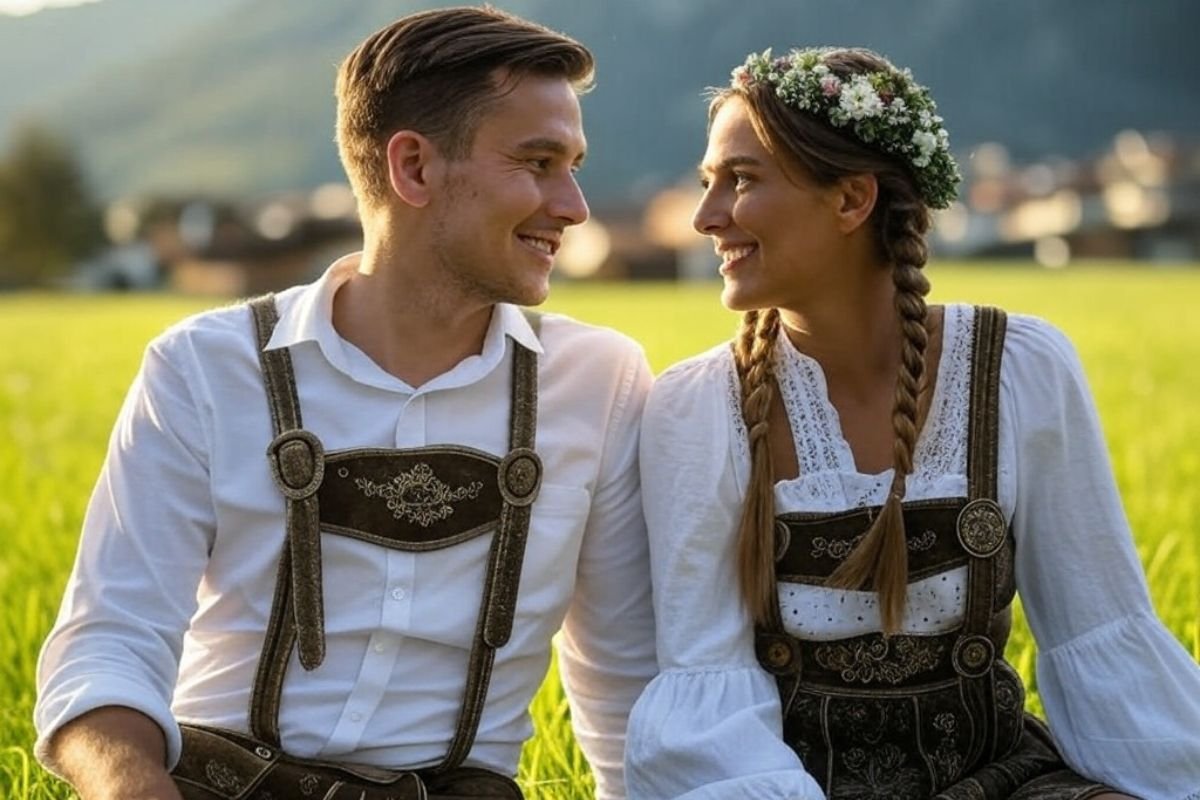
How to Style Lederhosen: The Complete Guide to Building the Perfect Bavarian Outfit
Lederhosen are iconic, but wearing them well is an art. Many people buy quality lederhosen and then undermine the entire look with poor styling choices. You’ll see it at Oktoberfest every year—expensive leather pants paired with a t-shirt, wrong color socks, mismatched shoes, and accessories that clash. The result? A costume that looks confused rather than a cohesive, confident Bavarian outfit.
The difference between looking like a tourist and looking like someone who actually understands Bavarian style comes down to three things: understanding the core principles of the look, knowing what actually works together, and dressing for the occasion and your body type. This guide walks you through all of it—from selecting the right shirt to coordinating every element so you look intentional, authentic, and sharp.
Understanding the Lederhosen Aesthetic
Before you start assembling an outfit, you need to understand what lederhosen actually represent and what aesthetic they’re meant to convey. Lederhosen originated in the Alpine region of Bavaria and Austria, designed as practical work wear for laborers, hunters, and farmers in mountainous terrain. The design evolved to become formal festive wear, worn at celebrations, weddings, and cultural events.
The Core Philosophy: Rustic, Earthy, Traditional
“Lederhosen represent Alpine heritage and craftsmanship. When you understand this, styling them becomes clear—you’re building an outfit that honors where these garments come from.”
The key to styling lederhosen correctly is recognizing that they’re inherently rustic, earthy, and traditional. They’re made from thick leather in natural tones—browns, blacks, dark greens, and grays. The aesthetic is sturdy and practical, yet carefully crafted. This means your entire outfit should reflect these qualities: natural materials, earthy color palettes, intentional construction, and a respect for tradition.
When you understand that lederhosen represent Alpine heritage and craftsmanship, styling them becomes clearer. You’re not creating a costume—you’re building an outfit that honors where these garments come from. Everything should feel grounded, authentic, and intentional. This is fundamentally different from treating lederhosen as fancy dress.
Starting With the Right Foundation
Before diving into styling choices, understand that proper-fitting lederhosen are essential. Lederhosen should fit snugly at the waist and hips, hit at or just above the knee, and allow comfortable movement. Proper fit is the foundation of any good outfit.
If you’re unsure about your lederhosen fit, check our separate guides on measuring for proper fit and understanding lederhosen construction—these cover detailed sizing in depth. For this styling guide, assume your lederhosen fit you properly. Everything that follows builds on that foundation.
Shirt Selection: The Strategic Approach
The shirt you pair with lederhosen is more important than many people realize. It’s the largest visible garment in the outfit and sets the tone for everything else. Choosing the right shirt isn’t just about picking a color you like—it’s about creating a visual harmony with the leather and setting the appropriate style level for the occasion.
The Checkered Shirt: Traditional Foundation
Checkered shirts, often called “Trachtenhemd,” are the most recognizable pairing with lederhosen. However, not all checkered shirts work equally well. The check size, color, and shirt construction all matter significantly.
What Makes a Quality Checkered Shirt:
Look for medium to large checks rather than tiny gingham-style patterns. Large checks create visual interest and echo the rustic, bold nature of lederhosen. Tiny checks can make the shirt look busy and cheap, creating visual clutter that competes with rather than complements the leather. The most traditional colors are red, green, and blue checks against white or cream backgrounds. These colors are associated with Alpine regions and feel naturally authentic. Avoid neon or artificially bright checks—these look costume-like and cheapen the entire outfit.
The shirt construction matters as much as the pattern. Quality Trachtenhemd shirts are made from sturdy cotton or cotton-linen blends with proper seaming, good button quality, and a deliberate cut. Budget options often have thin fabric that wrinkles easily and cheap buttons that feel insubstantial. Invest in a quality checkered shirt if you plan to wear lederhosen regularly. A well-made Trachtenhemd will last for years and look better every time you wear it.
The fit should be slightly relaxed but not oversized. The shirt should skim your torso without clinging, with sleeves that hit at your wrist bone. Rolled sleeves add a casual, festival vibe and work well for outdoor events. For more formal occasions, keep sleeves unrolled and buttoned. The shirt tail should be long enough to tuck in, creating clean lines.
Traditional Checkered Shirt Colors:
| Color Combination | Vibe | Best For | Leather Tone Match |
|---|---|---|---|
| Red & White | Bold, festive | Casual festivals | All tones |
| Green & White | Classic Alpine | Formal/casual | Brown, tan |
| Blue & White | Cool, sophisticated | Semi-formal | Dark brown, black |
| Brown & Cream | Earthy, subtle | Casual events | Tan, honey |
| Burgundy & Cream | Warm, refined | Semi-formal | Warm brown |
The White Button-Down: Versatile Elegance
A crisp white button-down shirt offers a completely different aesthetic from checkered options while remaining entirely traditional. This pairing works because white provides a visual break from the leather without competing for attention. The lederhosen become the visual anchor, and everything else supports that focus.
For this pairing to work, the white shirt must be high quality. Thin, cheap white shirts are transparent and look insubstantial. Invest in a proper oxford cloth or high-thread-count cotton white shirt. The fit should be tailored but not tight—similar to the checkered option. Sleeves can be rolled for casual settings or left unrolled for formal events. A white shirt pairs particularly well with darker leather (black or very dark brown) and creates a crisp, intentional appearance.
White button-downs work for a broader range of occasions than checkered shirts. They’re suitable for formal events, professional settings where traditional attire is appropriate, and casual festivals. They read as more refined than checkered options without looking out of place. If you’re building a lederhosen wardrobe and can only invest in one or two shirts, a quality white button-down is an excellent choice for versatility.
Linen and Cotton Blends: Summer Practicality
Linen and cotton-linen blend shirts offer excellent breathability and comfort, especially important for outdoor summer events. Lederhosen are warm—made from thick leather, they retain body heat. During summer festivals or outdoor celebrations, wearing breathable fabrics helps prevent overheating.
Choose linen and cotton blends in neutral tones: cream, tan, light gray, or soft beige. These colors complement the earthy tones of lederhosen while keeping the outfit visually light and summery. Avoid bright whites or synthetic-looking creams—opt for natural, slightly off-white shades that feel authentic to the Alpine aesthetic.
Linen does wrinkle, which is part of its charm, but the wrinkles should look relaxed, not sloppy. A linen shirt with slight wrinkles reads as casual and comfortable. A linen shirt that looks crumpled and poorly cared for looks neglected. The difference is intention—wear it like you meant to look relaxed, not like you didn’t care.
Embroidered Bavarian Shirts: Full Tradition
Embroidered shirts featuring edelweiss flowers, Alpine motifs, or traditional patterns represent the most historically authentic lederhosen pairing. These shirts are often called “Steirerhemden” or other regional names. They signal a genuine interest in and respect for the tradition.
However, embroidered shirts require careful consideration. They work beautifully for formal events, cultural celebrations, or weddings where traditional dress is expected. At casual beer gardens or festivals where the atmosphere is relaxed, heavily embroidered shirts can read as overdressed or like you’re trying too hard. The occasion and setting matter significantly.
Quality embroidered shirts have intricate, well-executed embroidery on sturdy fabric. Cheap versions have loose embroidery stitching and thin material that doesn’t hold up to wear. If you invest in an embroidered shirt, buy quality. These pieces are often handmade in Bavaria and represent genuine craftsmanship.
Embroidered shirts pair best with suspenders, a leather belt, and often a traditional hat. This is a complete, intentional look—all the elements work together to create authentic traditional dress. Don’t attempt this pairing halfway. Either commit to the full traditional look or choose a simpler shirt option.
Solid Color Shirts: Modern Flexibility
Solid-colored shirts in navy, burgundy, forest green, or charcoal gray offer a more contemporary take on lederhosen styling while remaining appropriate. These colors complement leather tones naturally without the visual busyness of patterns.
Solid shirts work well when you want to shift focus to accessories or create a more modern, streamlined aesthetic. They pair easily with various shoe and accessory options and work across different occasions. A high-quality solid shirt in a complementary color is versatile and can be styled in multiple ways.
The key to solid-colored shirts is choosing colors that genuinely complement your leather’s tone. If your lederhosen are light tan or honey-colored, warm earth tones like burgundy and forest green work better than cool-toned navy. If your lederhosen are dark brown or black, navy and charcoal work excellently. Match the undertones of your shirt to your lederhosen for visual coherence.
Footwear: The Shoe Foundation
Shoes are where many people make critical styling mistakes with lederhosen. The shoes you choose dramatically affect whether the entire outfit reads as authentic and intentional or confused and costume-like.
Haferlschuhe: The Traditional Choice
Haferlschuhe are the quintessential Bavarian shoe and the most appropriate footwear for lederhosen. These sturdy lace-up leather shoes feature a distinctive low heel, thick sole, and rugged construction. Originally designed for Alpine hiking and mountain work, they’re engineered for comfort during long hours of standing or walking.
Haferlschuhe typically feature leather uppers in brown or dark brown, sometimes with tan or cream accents. The leather is thick and develops character with wear. The soles are usually rubber or leather-rubber combinations, providing grip and durability. The lacing extends up the front of the shoe, allowing for adjustment and support around the ankle.
Why Haferlschuhe Work Best:
- Designed specifically for Alpine wear and lederhosen pairing
- Built for comfort during long hours of standing and dancing
- Leather develops patina that complements lederhosen aging
- Work with any shirt option and any occasion
- Signal genuine understanding of the tradition
- Provide excellent ankle support for festivals
These shoes cost more than casual footwear—quality options range from $100–$300 depending on craftsmanship and origin. However, they’re an investment piece. A well-made pair of Haferlschuhe will last for decades and become more comfortable with age. They’re the right choice when you’re investing in quality lederhosen because they signal that you understand and respect the tradition.
Haferlschuhe work with any shirt option and any occasion. They’re equally appropriate at a formal wedding and a casual beer garden. They’re the safe choice when you’re unsure what else to wear. They also happen to be genuinely comfortable for long hours of standing and walking, which matters at festivals.
Loafers: Modern Versatility
Leather loafers offer a more contemporary approach while maintaining a connection to the traditional leather aesthetic. Choose styles in brown or tan that echo the earth tones of your lederhosen rather than black, which can look too formal or disconnected from the outfit.
Loafers work well for casual outdoor events and festivals where the atmosphere is relaxed and modern styling is accepted. They’re particularly good if you want to blend traditional elements (lederhosen) with a more contemporary overall aesthetic. They’re also generally more comfortable than Haferlschuhe if you’re not accustomed to wearing them.
However, loafers don’t carry the same cultural weight as Haferlschuhe. They don’t signal the same level of engagement with tradition. At formal events or cultural celebrations where traditional dress is emphasized, loafers can look like you didn’t want to commit to full authenticity. Use loafers for casual settings where the tone permits modern styling.
Ankle Boots: Rugged Modern Hybrid
Leather ankle boots in brown or tan create a blend of traditional and contemporary styling. They offer more support and structure than loafers while being less specifically traditional than Haferlschuhe. They work well for people who want lederhosen styling but with a more modern sensibility.
Choose ankle boots with minimal detailing or embellishment. Overly fashionable boots with decorative buckles, excessive stitching, or trendy silhouettes clash with the rustic nature of lederhosen. Look for sturdy, timeless designs that prioritize function over fashion. The boot should feel like a practical piece of gear, not a fashion statement.
Ankle boots work for semi-casual and casual events. They pair particularly well with solid-colored shirts and modern styling approaches. They’re less appropriate for formal traditional events where Haferlschuhe would be the expected choice.
Shoes to Avoid
Several shoe types fundamentally don’t work with lederhosen, no matter how good they might be individually:
- Sneakers and athletic shoes — Signal a completely different aesthetic; clash with tradition
- Sandals and flip-flops — Contradict the functional, protective nature of lederhosen
- Dress shoes and formal loafers — Create a confused mix of business and traditional costume
- Canvas shoes or casual slip-ons — Too casual and undermine the intentionality of the outfit
- Trendy fashion shoes — Distract from the traditional aesthetic
Socks: The Often-Overlooked Detail
Socks might seem like a minor detail, but they significantly affect how your overall outfit looks and feels. Many people overlook socks and wear thin, modern athletic socks that completely clash with the aesthetic.
Wool Socks: The Authentic Choice
Thick wool socks, typically knee-high or calf-height, are the traditional choice with lederhosen. These socks are not optional for authentic styling—they’re fundamental to how the outfit was historically worn and how it’s meant to look.
Wool socks provide warmth, cushioning, and visual substance. They create a visual bridge between your shoes and the lederhosen, completing the outfit cohesively. Traditional patterns include bold stripes, geometric designs, or solid colors in white, gray, red, or dark tones.
Choose socks made from genuine wool or wool-blend fabrics. Synthetic socks don’t provide the same warmth, don’t develop the same character with wear, and look cheap visually. Quality wool socks cost more upfront but last for years. A pair of proper wool socks is a worthwhile investment in the lederhosen look.
Sock Height Matters:
The height of the sock matters. Knee-high socks extend visibly above your shoe and show between the shoe and lederhosen hem. This visible sock line is intentional and traditional. It creates a visual anchor point that grounds the outfit. Shorter socks that disappear into your shoe undermine this effect and make the outfit feel incomplete. For formal and semi-formal occasions, knee-high is best. For casual wear, calf-height works if knee-high isn’t available or comfortable.
Sock Color and Pattern Guide:
| Sock Style | Color/Pattern | Best With | Occasion | Visual Effect |
|---|---|---|---|---|
| Classic | White with bold pattern | Any lederhosen | All occasions | Authentic, grounded |
| Gray Tradition | Gray solid or striped | Dark brown, black leather | Formal/semi-formal | Refined, sophisticated |
| Red/Burgundy | Red pattern or solid | Coordinated with shirt | Festive settings | Bold, festive |
| Subtle | Cream with small pattern | Light tan leather | Casual events | Understated, clean |
| Dark | Black or charcoal pattern | Black leather | Formal events | Contemporary, sleek |
Complete Outfit Examples: How Everything Works Together
Understanding individual pieces is important, but most people benefit from seeing complete outfit examples. Here are several complete outfits designed for different occasions and contexts.
The Formal Traditional Outfit
This is the outfit for weddings, cultural celebrations, or formal events where traditional dress is expected or honored. This represents a full commitment to the tradition.
Start with a well-fitted pair of lederhosen in dark brown or black leather, hitting just at the knee. Pair these with a quality embroidered Bavarian shirt in cream or light tan with traditional edelweiss or Alpine embroidery. Add a leather belt in a complementary brown tone—the belt should be sturdy and well-crafted, not thin or trendy.
Wear knee-high wool socks in white or cream with a bold traditional pattern. Choose Haferlschuhe in brown leather—these are the only appropriate shoe choice for this level of formality and tradition. Add a traditional Tyrolean hat (Tirolerhut) with a feather or brush adornment. Complete the look with suspenders in a color that complements your shirt.
What This Outfit Communicates:
Every element communicates intention and understanding. The combination signals genuine respect for the tradition. This look works for formal events where traditional dress is the standard. You’ll be appropriately dressed alongside others in comparable levels of traditional commitment.
The Casual Festival Outfit
This outfit is designed for outdoor summer festivals, beer gardens, and casual celebrations where the atmosphere is relaxed and mixing modern and traditional elements is acceptable.
Start with lighter-colored lederhosen in tan or honey-brown leather. Pair these with a quality checkered Trachtenhemd in red and white or green and white checks. The casual, bold pattern reflects the festive atmosphere.
Wear calf-height wool socks in white with a geometric pattern—this provides the traditional element while being less formal than knee-high options. Choose loafers or ankle boots in tan or brown leather—these offer comfort for long hours of standing while being more contemporary than Haferlschuhe.
Skip the hat and formal accessories for this casual approach. Roll your shirt sleeves slightly for a relaxed vibe. Add a leather belt if you want, but it’s not essential for this casual setting. The overall effect is festive, comfortable, and authentically styled without being overly formal.
The Modern-Leaning Outfit
This outfit blends lederhosen with a more contemporary sensibility, appropriate for people who want the traditional element but with modern styling.
Pair well-fitted lederhosen in black or very dark brown with a crisp white button-down shirt. Choose a quality oxford cloth shirt and leave the sleeves unrolled and buttoned for a neat appearance. The white shirt creates visual contrast and emphasizes the leather rather than competing with it.
Wear black or charcoal wool socks that create a monochromatic line from shoe to lederhosen. Choose quality leather ankle boots in brown or black. Add a simple leather belt in brown or black. Skip the Tyrolean hat entirely and go without head covering.
This outfit reads as contemporary while remaining respectful of the lederhosen tradition. It’s appropriate for festivals where modern dress is mixed with traditional elements and for people who want to wear lederhosen but with a less obviously costume-like appearance.
The Summer Comfort Outfit
This outfit prioritizes breathability and comfort during hot-weather festivals while maintaining authentic styling.
Start with lighter-colored lederhosen in tan or light brown. Pair these with a linen-cotton blend shirt in cream or soft tan. The breathable fabric helps prevent overheating while maintaining the natural, earthy aesthetic.
Wear calf-height wool socks in cream or light gray. Choose Haferlschuhe or quality loafers in tan or brown. The lighter overall palette keeps the outfit visually cool while maintaining traditional elements.
This outfit acknowledges that summer festivals involve long hours standing in sun and heat. The breathable fabrics and lighter tones make the outfit wearable in conditions where more formal or heavy fabrics would be uncomfortable. It doesn’t sacrifice authenticity for comfort—instead, it makes conscious choices that balance both.
Color Coordination: Creating Visual Harmony
Many people struggle with color coordination when building lederhosen outfits. Understanding basic color principles helps you make choices that feel cohesive rather than clashing.
Understanding Your Leather’s Undertone
Your lederhosen color sets the foundation for everything else. Most lederhosen fall into one of these categories: light tan or honey-brown, medium brown, dark brown, or black. Some lederhosen feature green tones or gray, but these are less common.
Identify your lederhosen’s specific tone and whether it leans warm (honey, warm brown) or cool (dark brown, black). This determines which other colors work harmoniously. Warm-toned leather works better with warm-toned shirts and accessories (creams, warm reds, forest greens). Cool-toned leather works better with cool-toned elements (whites, cool blues, charcoal).
The Color Coordination Strategy
White shirts provide clean visual contrast against any leather tone. Checkered shirts work across most leather tones because the pattern creates visual interest independent of the leather’s specific hue.
Solid-colored shirts should echo the warmth or coolness of your leather. A warm-toned tan or honey leather pairs beautifully with burgundy, forest green, or warm red shirts. A cool-toned dark brown or black leather pairs better with navy, cool gray, or cool-toned blues.
Avoid shirt colors that are dramatically different from your leather’s tone. A bright yellow or orange shirt clashes with traditional lederhosen. A neon-colored shirt looks costume-like rather than authentic. Stick to natural, earth-toned colors or classic whites and patterns.
Creating a Unified Palette
Your leather belt, socks, and shoe colors should form a cohesive palette with your shirt and lederhosen. A simple rule: choose two or three colors maximum for your entire outfit and use them across multiple elements.
Example Palette 1: Tan lederhosen + white shirt + brown shoes + brown belt + cream socks with brown pattern. This creates a unified earth-tone palette. Everything feels intentional and coordinated.
Example Palette 2: Dark brown lederhosen + burgundy shirt + brown shoes + brown belt + cream socks with red pattern. The burgundy and red echo each other, creating visual repetition that feels intentional.
Avoid mixing warm and cool tones randomly. Don’t pair a warm honey-colored leather with a cool blue shirt and cold gray socks. The mismatched tones make the outfit feel disjointed. Every element doesn’t need to match exactly, but they should share an undertone temperature.
Accessories: The Finishing Touches
Accessories complete your lederhosen outfit and communicate your level of engagement with the tradition. Different occasions call for different accessories.
Belts: Functional and Visual Anchors
A leather belt is essential for lederhosen styling. The belt serves both functional and visual purposes—it holds up your pants and creates a visual anchor around your waist.
Choose a sturdy leather belt in brown or black. The width should be proportional to your frame—a thicker man can carry a wider belt, while a slimmer man might prefer a narrower belt. The belt buckle should be simple and functional, not overly decorative. A traditional metal buckle or simple leather loop is appropriate. Avoid trendy buckles with excessive ornamentation.
Quality leather belts age beautifully and develop character with use. A well-made leather belt is worth the investment and will last for decades. Poor-quality belts with cheap buckles and thin leather look insubstantial and cheapen the entire outfit.
Hats: Traditional and Optional
A traditional Tyrolean hat (Tirolerhut) with a feather or brush adornment completes formal traditional outfits. The hat should fit properly and sit at an angle that feels natural on your head. A poorly fitting or awkwardly placed hat makes the entire outfit look costume-like.
For casual festivals and settings, hats are optional. Many people wear lederhosen without head covering at casual events, and this is perfectly appropriate. The key is intention—either commit to a proper Tyrolean hat for formal settings, or go without for casual occasions. Wearing a cheap, uncomfortable hat that you’re constantly adjusting undermines your outfit and signals that you’re not fully confident in your styling.
Suspenders: Traditional Reinforcement
Suspenders are part of traditional lederhosen styling and serve both functional and aesthetic purposes. They distribute the weight of the leather pants and create visual interest through additional color and pattern.
Quality suspenders are made from leather or sturdy fabric with leather attachments. They should fit properly so they’re not constantly slipping. Suspenders in solid colors that complement your outfit work universally. Patterned suspenders can be striking but require more careful coordination.
Suspenders are expected as part of formal traditional outfits but are optional for casual wear. For casual festivals, you can wear lederhosen with just a belt. For formal events or when wearing embroidered shirts, suspenders complete the look.
Watches and Jewelry: Minimal Approach
Lederhosen styling generally calls for minimal jewelry and accessories. A simple watch is appropriate and functional. Simple rings or a chain are acceptable, but avoid wearing multiple pieces or fashion jewelry that competes visually with the outfit.
The general approach to accessories with lederhosen is restraint. Every additional element should serve a purpose—either functional or directly contributing to the traditional aesthetic. Avoid trendy accessories, flashy jewelry, or items that draw attention away from the core outfit.
Body Type Considerations: Making Lederhosen Work for You
Lederhosen work well for most body types when styled appropriately, but different builds benefit from different styling approaches. Understanding your body type helps you make choices that flatter your proportions.
Larger Frames
Men with larger frames or greater weight benefit from darker leather tones (dark brown or black) which are visually slimming. The leather should fit properly—snug but not tight, with no excess bunching or gaps. Ill-fitting larger lederhosen emphasize the fit problem rather than hiding it.
Pair dark lederhosen with a crisp white shirt or dark solid-colored shirt for a streamlined appearance. Avoid busy patterns or light colors that add visual bulk. A quality leather belt worn at the natural waist (rather than low) creates definition.
Taller men with larger frames carry Haferlschuhe and quality accessories well. The structured, bold aesthetic of traditional styling works with larger proportions. Don’t shy away from suspenders or traditional elements—they create visual interest and draw the eye rather than making larger frames less noticeable.
Slimmer Builds
Men with slimmer builds or smaller frames work well with lighter leather tones and patterned shirts. The visual interest created by patterns helps build visual presence. Checkered or embroidered shirts add substance to the overall silhouette.
Ensure lederhosen fit properly at the waist and hips—they should be snug enough to sit properly without excess fabric. Slimmer builds can carry lighter tones and busier patterns without appearing overwhelmed. Bold striped socks and patterned suspenders work well.
Slimmer men should ensure their shirt isn’t oversized. A properly fitted shirt that skims the body without clinging works better than either tight or baggy options. The goal is creating clean lines and visual interest through pattern and color rather than relying on bulk.
Average Builds
Men with average builds have the most flexibility with lederhosen styling. Most traditional styling choices work well. Your focus should be on proper fit and coherent color coordination rather than correcting for disproportionate body shapes.
Choose leather color and shirt options based on personal preference and occasion rather than body concerns. Ensure everything fits properly and work from there.
Occasions: Dressing Appropriately for Context
The occasion significantly determines which styling approach is appropriate. Wearing formal traditional dress to a casual beer garden looks overdressed. Wearing casual festival attire to a wedding looks underdressed. Understanding context helps you make appropriate choices.
Formal Events and Weddings
Formal occasions call for traditional styling with all the elements: embroidered shirt, Haferlschuhe, suspenders, leather belt, Tyrolean hat, and quality wool socks. This complete, intentional approach signals respect for the occasion and the tradition.
Formal Outfit Checklist:
- Dark leather (dark brown or black)
- Embroidered or white button-down shirt (crisp and formal)
- Knee-high wool socks in white, gray, or burgundy
- Haferlschuhe in quality leather
- Leather belt with simple buckle
- Suspenders in complementary color
- Tyrolean hat (optional but recommended)
- Simple jewelry only
Dark leather with a light or embroidered shirt creates the most formal appearance. Everything should be high quality and well-maintained. This is the occasion for investment pieces—proper Haferlschuhe, a quality embroidered shirt, and genuine leather accessories.
Cultural Celebrations and Larger Festivals
Cultural celebrations and larger festivals (like Oktoberfest) occupy a middle ground. Traditional styling is appropriate and expected, but slightly more casual variations are accepted. A quality checkered shirt with Haferlschuhe and proper socks signals that you respect the tradition while keeping the atmosphere festive.
You can skip the Tyrolean hat and suspenders at casual festivals without looking out of place. The core elements—properly fitted lederhosen, quality shirt, leather shoes, wool socks, and a leather belt—create appropriate styling without requiring full formal commitment.
Casual Beer Gardens and Outdoor Gatherings
Casual gatherings call for relaxed styling. Lighter leather tones, casual checkered shirts, loafers or ankle boots instead of Haferlschuhe, and even the option to skip formal accessories all work. The approach is festive and comfortable rather than formal and traditional.
However, even at casual events, maintain quality standards. Cheap-looking lederhosen or poorly fitting pieces still undermine your appearance. Casual doesn’t mean low-effort or low-quality—it means relaxed formality while still maintaining standards.
Quick Occasion Matching:
| Occasion | Leather Tone | Shirt | Shoes | Socks | Extras |
|---|---|---|---|---|---|
| Formal Wedding | Dark brown/black | Embroidered or white | Haferlschuhe | Knee-high white/gray | Hat, suspenders |
| Oktoberfest | Any | Checkered or white | Haferlschuhe or loafers | Knee-high or calf | Optional hat |
| Casual Beer Garden | Tan/brown | Checkered or solid | Loafers or boots | Calf-height | Belt only |
| Summer Festival | Light tan | Linen or checkered | Loafers or boots | Calf-height | Rolled sleeves |
What Not to Do: Common Styling Mistakes
Understanding what works is important. Understanding what doesn’t work is equally critical because one poor choice can undermine an otherwise perfect outfit.
Critical Mistakes to Avoid
Thin or Wrong-Type Socks: Thin athletic socks, no-show socks, or dress socks all look out of place with lederhosen. The sock is part of the traditional outfit, and it should be visible and substantial. Wearing thin socks signals that you either don’t understand the tradition or didn’t care about complete styling. Wool socks in appropriate patterns and colors are the only acceptable choice.
Wrong Shoe Choices: Sneakers, casual canvas shoes, dress shoes, sandals, or flip-flops fundamentally don’t work with lederhosen. Each sends a conflicting message about what the outfit is trying to accomplish. Choose from the appropriate options: Haferlschuhe, quality loafers, or ankle boots. Cheap shoes that look worn out or poorly maintained also undermine the outfit.
T-Shirts or Casual Casual Wear: A plain t-shirt, especially a cheap or worn one, makes lederhosen look like a costume rather than intentional styling. Lederhosen deserve better than t-shirt pairing. Even a simple, solid-colored button-up shirt creates a dramatically more professional and intentional appearance. The shirt is too prominent visually to skimp on quality or style.
Mismatched or Clashing Colors: Bright neon colors, random color combinations that lack coherence, or colors that clash with your skin tone all undermine the outfit. Stick to traditional earth tones and colors that work harmoniously. Use the color coordination principles discussed earlier to ensure your choices feel intentional rather than random.
Mixing Formal and Casual Elements: Wearing Haferlschuhe with a t-shirt and no socks looks confused. Wearing a full embroidered-shirt traditional outfit with sneakers looks like a costume without commitment. Avoid mixing formal traditional elements with casual modern pieces. Choose a coherent approach—either commit to traditional styling or take a more modern approach. Don’t mix both.
Ignoring the Occasion: Wearing formal traditional dress to a casual beer garden looks overdressed and uncomfortable. Wearing t-shirt casual styling to a wedding looks underdressed and disrespectful. Match your styling to the occasion.
Conclusion: Confident and Authentic Lederhosen Styling
Styling lederhosen well isn’t complicated—it’s about understanding the core principles, choosing quality pieces, ensuring everything fits properly, and coordinating colors thoughtfully. The goal is creating an outfit that looks intentional and authentic rather than costume-like.
The difference between someone who understands the tradition and someone wearing a costume is visible in every detail. Proper-fitting lederhosen paired with a quality shirt, leather shoes, wool socks, and a belt creates immediate coherence. Everything communicates that you respect the tradition and care about looking good.
Start with properly fitted lederhosen in a color that suits you. Add a quality shirt appropriate to the occasion. Choose shoes that match the tone of your outfit. Wear proper wool socks. Add a leather belt. Consider whether the occasion warrants additional elements like suspenders or a hat. Think about color coordination so everything feels harmonious rather than random.
When every element works together because you’ve made intentional choices, the outfit comes together. You look like someone who understands Bavarian style rather than someone in a costume. That confidence and authenticity shine through and make the entire look work. Wear lederhosen well, and you’ll get more enjoyment from them and from every occasion where you wear them.

Anna Bauer is a seasoned Bavarian fashion expert, cultural consultant, and heritage stylist with over a decade of hands-on experience in traditional German clothing. Born in Munich, the heart of Bavaria, Anna grew up surrounded by the rich traditions of Trachten fashion. Her passion for cultural attire led her to pursue a degree in Fashion and Textile Design at the prestigious University of the Arts Berlin, where she specialized in European folkwear.
Over the past 12+ years, Anna has collaborated with renowned Trachten designers, styled outfits for Oktoberfest events across Germany, and contributed articles to top fashion and culture magazines across Europe. Her work focuses on preserving the authenticity of Lederhosen and Dirndl wear while helping modern audiences style them with confidence and flair.
As the lead content contributor for German Attire, Anna combines her academic background, professional styling experience, and deep cultural roots to provide readers with valuable insights into traditional German fashion. Her blog posts cover everything from historical origins and styling guides to care tips and festival outfit planning—making her a trusted voice for anyone looking to embrace Bavarian heritage in a stylish, modern way.