Get 5% Off – Use promo code German Attire


Where to Buy Lederhosen? Best Places for Authentic Pairs
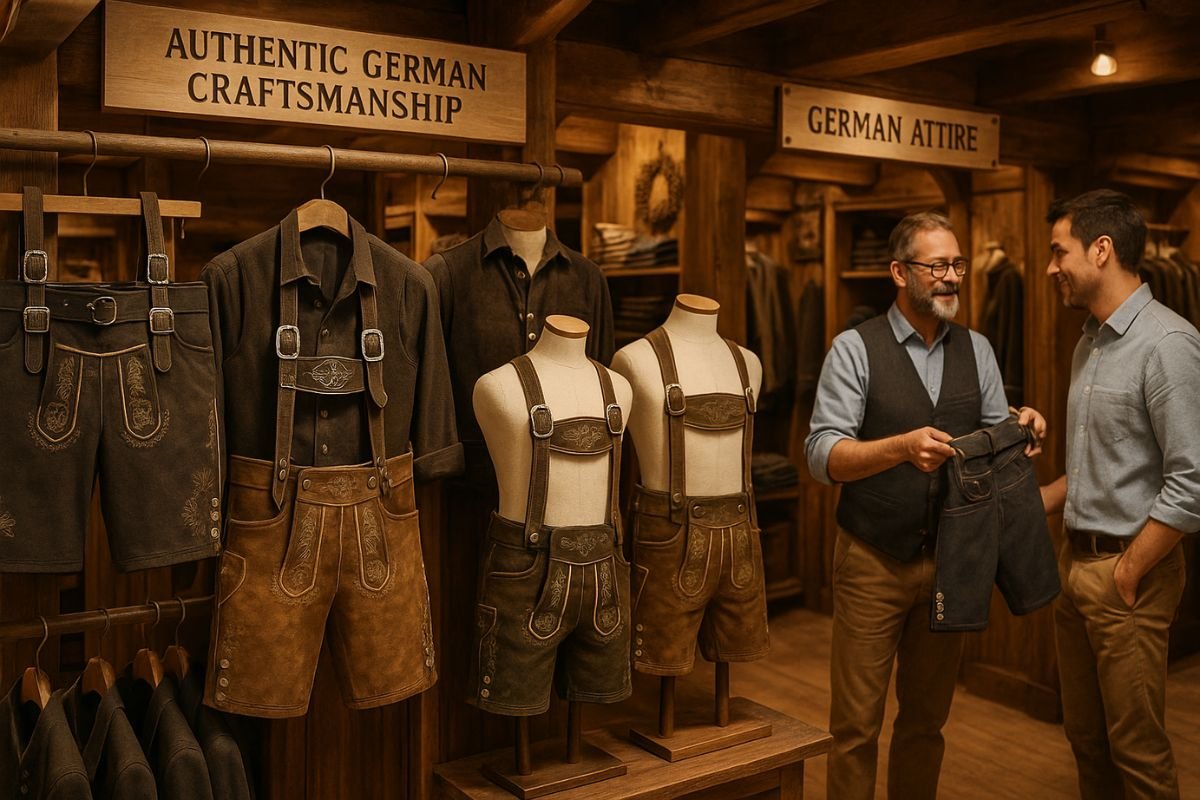
Where to Buy Lederhosen: Complete Buying Guide to Authentic Quality
Finding authentic Lederhosen requires knowing the difference between genuine heritage pieces and costume imitations. The market is flooded with synthetic alternatives that look appealing at first glance but fail within seasons. This guide navigates your purchasing options from online retailers to Alpine boutiques, helps you verify authenticity, and ensures you invest in Lederhosen that will improve with age rather than disappoint with poor quality.
Understanding Authentic Lederhosen Before You Shop
Authentic Lederhosen are distinguished by material composition, construction technique, and design integrity. Real Lederhosen use genuine leather—deerskin, goatskin, or premium cowhide—not synthetic alternatives. The leather develops patina over years, becoming more attractive rather than degrading.
For detailed information about materials, their durability, and aging characteristics, see What Are Lederhosen Made From?.
Shopping Categories: Understanding Your Options
Lederhosen purchases occur through multiple channels, each offering distinct advantages and challenges. Understanding your options helps you choose the channel matching your needs.
Online Retailers: Global Access and Convenience
Major Online Platforms
Online retailers offer the widest selection with competitive pricing and convenient delivery worldwide. The best online retailers specialize exclusively in traditional German clothing, not general costume suppliers. This specialization means staff understand product quality, can provide detailed fit guidance, and typically stock only authentic pieces.
Reputable online retailers provide transparent product information including specific leather type, tanning method, weight, thickness, and care requirements. Quality listings include multiple close-up photographs showing stitching, embroidery detail, button construction, and edge finishing. These details allow remote inspection before purchase.
Size guides on quality retailer websites account for traditional Bavarian fit, which differs from modern trousers. The waist sits higher and thighs fit closer to body than contemporary pants. Most retailers provide detailed measurement instructions and often offer free size consultations via email or phone.
Advantages of Online Shopping
Online retailers maintain return policies accommodating fit uncertainty. Ordering multiple sizes and returning poor fits is standard practice. This flexibility is essential because proper Lederhosen fit is critical to comfort and appearance.
Customer review sections on reputable sites provide insights from actual wearers regarding fit, comfort, durability, and care. Reading detailed customer reviews—especially negative ones—reveals real-world performance beyond marketing language.
Competitive pricing among online retailers drives better value than physical boutiques. Many online retailers offer seasonal sales and volume discounts.
Disadvantages of Online Shopping
You cannot feel the leather or test the fit before purchase. Material quality assessment requires understanding specifications like thickness (typically 1.0-2.0mm), weight, and tanning method.
Shipping costs and delivery times vary significantly by retailer and destination. International shipping can add £15-50 and take 2-4 weeks depending on location.
In-Person Boutiques: Hands-On Experience and Expertise
European Locations and Availability
Bavarian and Austrian boutiques offer the most authentic in-person shopping experience. Cities including Munich, Salzburg, Mittenwald, and Garmisch-Partenkirchen concentrate specialist Trachten shops with extensive inventory and knowledgeable staff.
These boutiques typically stock both ready-made pieces and can commission custom orders. Staff often have family histories in clothing craft and provide authoritative guidance on regional variations, embroidery meanings, and traditional styling.
In-person shopping allows you to feel leather quality, assess hand-embroidery precision, try on multiple pieces for fit, and discuss custom modifications with artisans. This personalized experience justifies premium pricing for many buyers.
Cost and Accessibility Considerations
Bavarian boutiques typically price 20-40% higher than online retailers due to higher rent, staff, and inventory carrying costs. However, the expertise and personalized service provide value offsetting the price premium.
Traveling to Alpine regions for shopping is realistic primarily for European residents or festival attendees. International travel adds significant cost and requires coordination with shop hours and inventory availability.
Quality Assurance
Boutique owners stake personal reputation on inventory quality. This creates strong incentive to stock only pieces meeting their standards. Staff can discuss craftsmanship details, warranty coverage, and long-term wear potential with credibility.
The relationship opportunity allows discussing care, customization, and future purchases in person, potentially valuable for serious collectors.
Specialist Makers and Artisans: Bespoke and Custom
Direct Commissioning
Alpine artisans and family-run workshops still produce Lederhosen using traditional techniques. Commissioning directly from makers guarantees authentic construction and allows complete customization regarding leather selection, embroidery design, button style, and fit.
Direct commissions take 6-12 weeks typically and cost £500-1500+ depending on materials and embroidery complexity. Payment usually requires 50% deposit with balance due upon completion.
Finding Artisans
Artisan networks exist through Trachten associations, regional tourism boards, and craft guilds in Bavaria and Austria. Direct outreach to makers offers opportunities for genuine bespoke creation.
Commissioning directly avoids retailer markups but requires advance planning, payment risk management, and detailed communication about specifications.
Seasonal Markets and Festivals: Unique Finds with Risk
Oktoberfest and Regional Events
Oktoberfest in Munich and regional Volksfest events host independent vendors selling Lederhosen. Many vendors are legitimate artisans offering handmade pieces unavailable elsewhere. Festival markets create opportunities for unique, one-of-a-kind purchases.
However, quality varies wildly between vendors. Tourist-heavy festival areas attract lower-quality sellers mixing authentic pieces with costume imitations. Quick assessment in crowded conditions is difficult.
Purchasing Caution
Always inspect materials, stitching, embroidery, and buttons carefully in good lighting. Request material details in writing. Verify return policies or exchange options before purchase. Many festival vendors operate cash-only without return guarantees.
Festival purchases work best for knowledgeable buyers comfortable with some risk or for secondary, less formal pieces.
Vintage and Secondhand: Value and Character
Online Marketplaces
Platforms including eBay, Vinted, and Grailed host vintage and gently worn Lederhosen at 40-60% of new prices. Many vintage pieces offer superior character through established patina and proven durability.
Secondhand purchases require careful condition assessment through photographs and seller communication. Detailed questions about wear patterns, stains, repairs, and leather condition are essential.
Specialty Vintage Retailers
Some retailers specialize in authentic vintage clothing including Lederhosen. These vendors authenticate pieces, describe condition accurately, and typically offer return windows for unsatisfied purchases.
Vintage shopping suits budget-conscious buyers or those seeking established patina and character.
Retailer Comparison: Quality, Price, and Service
| Retailer Type | Price Range | Shipping | Specialization | Authenticity | Returns | Best For |
| Online Specialists | £150-600 | 5-15 days | High | Excellent | 30-60 days | Convenience, selection |
| Bavarian Boutiques | £250-800 | N/A (in-person) | Very High | Excellent | Limited | Personal fit, expertise |
| Direct Artisans | £500-1500 | 6-12 weeks | Bespoke | Excellent | Custom only | Customization, investment |
| Festival Markets | £200-500 | Immediate | Variable | Variable | None/limited | Unique finds, festival |
| Vintage/Secondhand | £80-300 | 5-20 days | Variable | Good | Variable | Budget, character |
Price Breakdown: What You’ll Actually Pay
Lederhosen prices reflect material quality, construction method, and brand reputation. Understanding price ranges helps identify value and avoid unrealistic expectations.
By Material and Quality Level
Budget options using goat or cow leather with machine embroidery cost £100-200. These pieces serve costume purposes or introductory use. Durability is 3-5 years with regular wear.
Mid-range pieces using quality goat or deer leather with hand embroidery cost £250-400. These represent genuine Lederhosen suitable for regular wear at festivals or casual occasions. Durability extends 15-20 years with proper care.
Premium pieces using premium deerskin with extensive hand embroidery and artisan detail cost £450-700. These investment pieces develop beautiful patina and last 25-35+ years. Many become family heirlooms.
Custom bespoke pieces cost £600-1500+ depending on materials, embroidery complexity, and maker reputation. These represent personal artisan creation with complete customization.
Hidden Costs Beyond Purchase Price
Shipping costs £5-50 depending on retailer location and destination. International shipping typically costs £20-40 and takes 2-4 weeks.
Sizing adjustments by professional tailors cost £30-80 if the original fit isn’t perfect. Many online retailers offer free exchanges rather than requiring alterations.
Conditioning and care products cost £10-30 annually. Quality leather conditioner maintains suppleness and prevents cracking.
Optional accessories including Trachten shirts, suspenders, and shoes cost £50-200 depending on quality, completing the full traditional outfit.
International Shipping and Customs
European Shipping
UK to European destinations typically costs £15-30 with 5-10 day delivery. European retailers often offer free or reduced shipping for EU orders over specific thresholds.
Within EU, customs duties don’t apply for EU purchases. VAT applies based on destination country.
International (Non-EU) Shipping
Shipping to countries outside the EU costs £30-60 with 2-4 week delivery depending on destination. Express options exist but cost £60-100+.
Customs duties and taxes apply to non-EU imports based on declared value and destination country regulations. Typically 10-25% of purchase price adds to import costs. These duties are buyer’s responsibility.
Research customs regulations in your country before purchase to understand total cost implications.
Payment Security and Fraud Prevention
Credit cards offer fraud protection and chargeback capabilities if goods don’t match descriptions. Secure checkout pages (look for “https://” and padlock icon) encrypt payment information during transmission. PayPal and similar services provide buyer protection and dispute resolution.
Avoid sellers requesting wire transfer or cryptocurrency payments—these are irreversible if fraud occurs. Verify seller reputation through review platforms and ratings. Contact sellers directly with questions before purchase. Request current photographs of specific items rather than generic product photos.
Seasonal Buying Timeline: When to Purchase
Oktoberfest Planning
Purchase 4-6 weeks before Oktoberfest to allow for delivery and sizing adjustments. Order by July for September festivals to ensure arrival before September events.
Festival season (June-September) brings inventory challenges as popular sizes sell out. Early ordering ensures availability.
Holiday and Wedding Events
Winter events and Alpine weddings typically occur December-February. Order by October to guarantee delivery before December events.
Spring and summer celebrations happen May-August. Order by March-April.
Off-Season Purchasing
January-February and August-September feature seasonal sales as retailers clear inventory. Off-season purchases offer 15-25% discounts but may have limited size selection.
Purchasing off-season is ideal for collectors building inventory or those without time pressure.
Evaluating Retailers: Quality Assessment
Website and Presentation
Professional websites featuring clear product photography, detailed specifications, and transparent pricing indicate serious retailers. Poor website design often correlates with poor quality control.
Comprehensive size guides with measurement instructions and fit explanations show retailer investment in customer success.
Product Information
Detailed product descriptions including specific leather type, weight, thickness, tanning method, and care requirements indicate knowledgeable retailers. Vague descriptions like “authentic leather” without specifics are concerning.
Multiple photographs showing stitching detail, embroidery, button construction, and edge finishing allow quality assessment. Limited photography suggests either poor quality or retail inexperience.
Customer Support
Responsive customer service via email, phone, or chat indicates retailer confidence in products and commitment to satisfaction. Difficulty reaching support or slow responses suggest problems.
Availability of size consultations helps correct ordering mistakes before purchase. Many quality retailers provide this service free.
Returns and Guarantees
Clear return policies stating timeframes and conditions protect buyers. 30-60 day returns are standard for quality retailers.
Warranty coverage on seams, buttons, and construction defects indicates maker confidence in durability.
Authenticity Verification
Genuine leather has natural variations, minor scars, and imperfections—these are proof of authenticity. Perfectly uniform, plastic-looking surfaces indicate faux leather. Real leather has a natural, complex smell while faux leather smells chemical.
Hand-stitched embroidery shows slight variation in stitch length and angle, unlike machine embroidery which is uniformly perfect. Horn or bone buttons are warm to touch with visible grain, while plastic buttons feel cold and uniform. Seams should be straight, tight, and even—loose or uneven stitching indicates poor craftsmanship.
Reputable makers provide care certificates, material documentation, and sometimes maker signatures inside garments. Certificates of authenticity from established retailers indicate verification of materials and construction.
FAQ
How much should I expect to spend on authentic Lederhosen?
Genuine Lederhosen cost £150-600 depending on materials and craftsmanship. Budget options cost £150-250, mid-range £250-400, and premium pieces £450-600+. Prices below £100 typically indicate costume quality, while prices above £800 represent custom bespoke creation.
What’s the difference between online and boutique shopping?
Online retailers offer wider selection and competitive pricing (typically 15-30% less than boutiques) with convenient delivery. Boutiques offer hands-on experience, expert guidance, and personalized service at premium pricing. Choose online for convenience and value, boutiques for experience and expertise.
How do I know if a retailer is trustworthy?
Look for detailed product information including specific materials, professional website presentation, responsive customer support, clear return policies, and positive customer reviews. Avoid retailers using generic descriptions, poor website design, or difficult communication.
Are vintage Lederhosen worth buying?
Yes, if purchased from reputable sources. Vintage pieces often cost 40-60% less than new, come with established patina (proof of durability), and offer unique character. However, carefully assess condition through photographs and seller communication.
What size should I order?
Lederhosen fit higher on the waist and closer to thighs than modern pants. Follow retailers’ detailed measurement instructions carefully. Many offer free exchanges if sizing isn’t perfect. Use size consultation services offered by quality retailers.
Conclusion: Making Your Purchase
Buying authentic Lederhosen requires understanding the difference between genuine pieces and costume imitations, then choosing the purchase channel matching your needs and timeline. Online retailers offer convenience and value, boutiques provide expertise and experience, and artisans create custom bespoke pieces.
Evaluate retailers based on product information transparency, customer support quality, and return policies. Verify authenticity through material inspection and construction details. Budget appropriately for quality—genuine Lederhosen cost £200-600 depending on materials.
Authentic pieces become heirlooms improving with decades of wear, while costume imitations disappoint within seasons.
Shop Authentic Lederhosen
Browse our complete collection at germanattire.co.uk/shop/ featuring authentic pieces across materials, styles, and price points. Each piece reflects genuine Bavarian craftsmanship designed to last generations. Visit germanattire.co.uk to explore our full range of traditional German clothing.

Bavarian heritage and fashion specialist · Lead content
contributor, German Attire
About Anna
Anna Bauer grew up in Munich, where traditional dress is not a costume but everyday formal wear. Trachten appears at weddings, at church, at village festivals and in public life, and that ordinary familiarity shapes how she writes about it. She studied fashion and textile design at the Berlin University of the Arts, specialising in European folkwear. Over more than a decade since, she has worked with Trachten designers and styled outfits for Oktoberfest events across Germany.
What she writes about
- The history and regional variation of Bavarian and Alpine dress
- How Dirndl and Lederhosen are constructed, and what separates
authentic garments from costume versions - Fabric patterns and embroidery motifs, and what they mean
- Styling traditional dress for festivals, weddings and formal
occasions - Fit, sizing and care
Her approach
Anna’s writing starts from a simple position: traditional dress deserves to be explained accurately. Much of the English-language information about Lederhosen and Dirndl repeats claims that no Bavarian would recognise. Her work aims to correct that, and to give readers outside Germany enough context to wear Trachten with confidence rather than guesswork.